Latest Posts

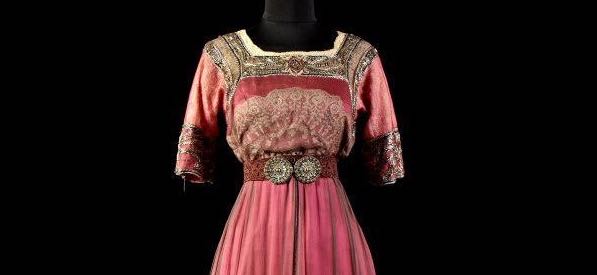
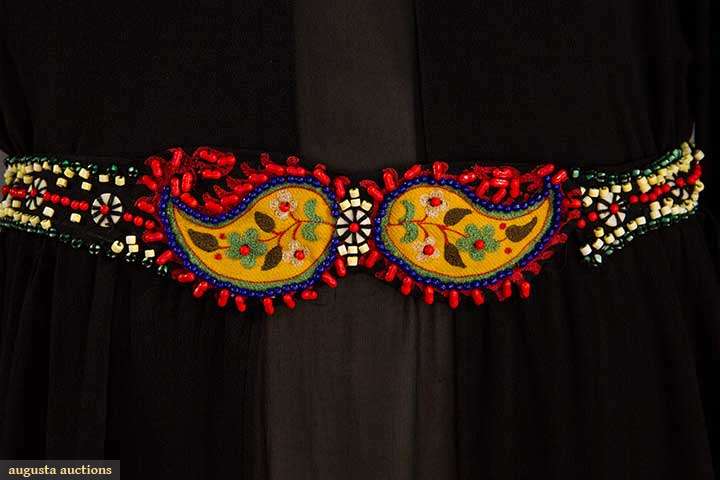
Afternoon dress, Jean Patou, silk, wool, beading, 1919-22, sold by Augusta Auctions October 25 2017

Rate the Dress: 20s paisley by Patou

This week’s Rate the Dress pick, a beaded paisley 1920s number by Patou, continues on the 1900-1924 Edwardian & the Great War #greatwarmarch theme, carried over from Instagram.

If you’re on IG you can join us by sharing anything relevant to the daily theme from between 1900-1924 and tagging @wearinghistory and I (@thedreamstress)

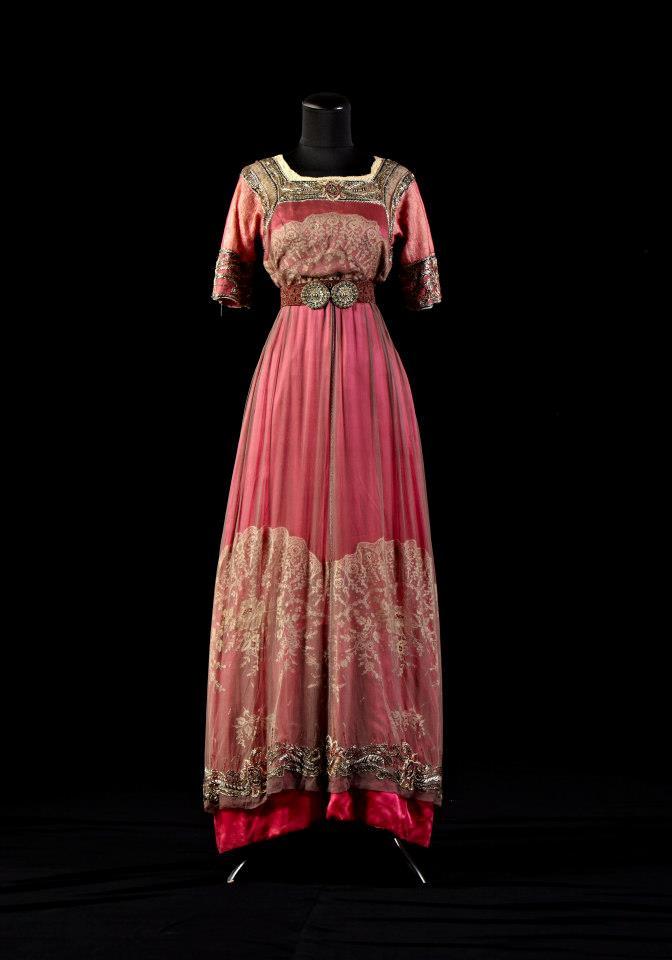
Last week:  a late Edwardian dress in pink velvet and lace

Reactions to last week’s Rate the Dress were quite simple.  They came in two varieties: #1 “I love it!” (average rating: 10) and #2 “I’m not sure about all those materials and elements together” (average rating 7).

The Total: 9.2 out of 10

Clearly the loves outweighted the unsures!

This week:

While I picked this dress because I was looking for something ’20s that was a nice contrast to last week’s pink & lace number, this dress is also a fascinating counterpoint to the  the 1810s beaded dress from two weeks ago:
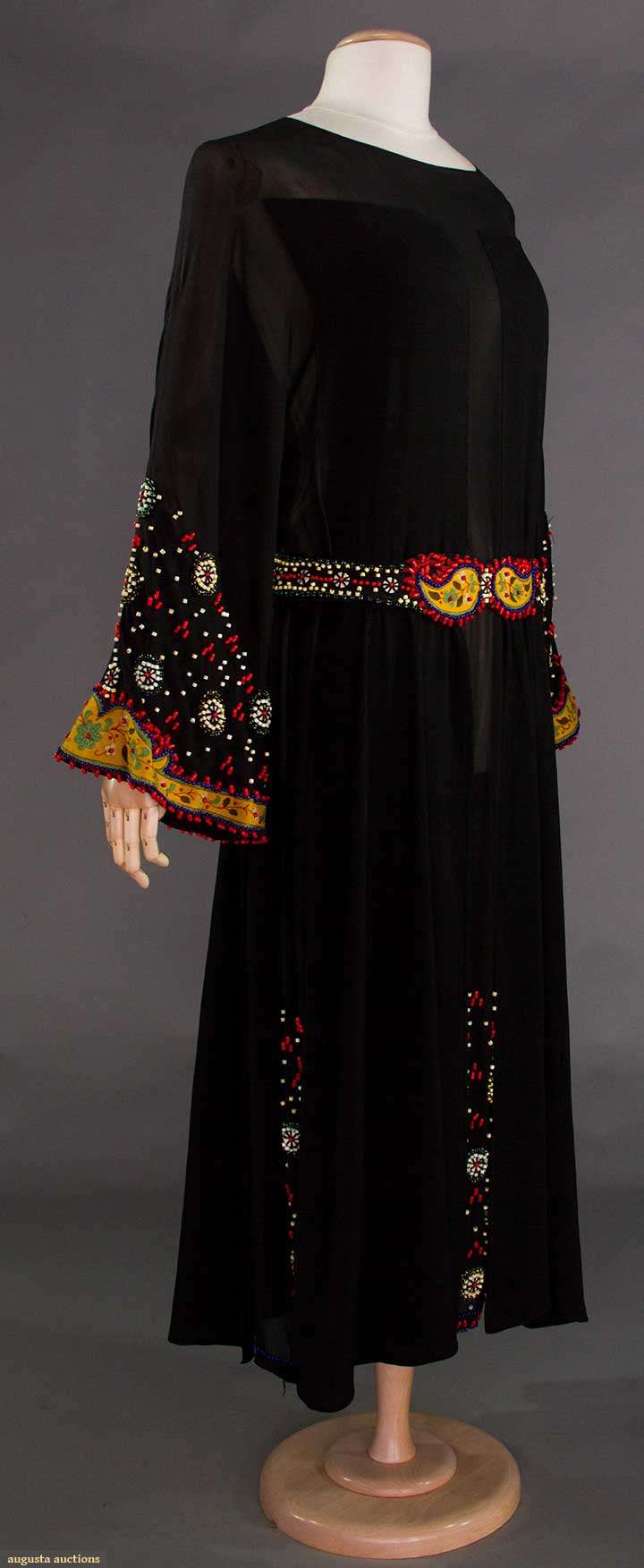
Both dresses feature a simple cut enlivened by vivid embroidery: the 1810s on Empire white, this on ’20s black.

Both dresses shared a mix of beading and embroidery, and in both cases the embellishment owed some inspiration to Indian and Kashmiri design.  The 1810s dress subtly replicated the motifs on ca. 1800s Kashmiri design, and this dress includes an explicitly paisley/boteh motif at the centre of the belt.
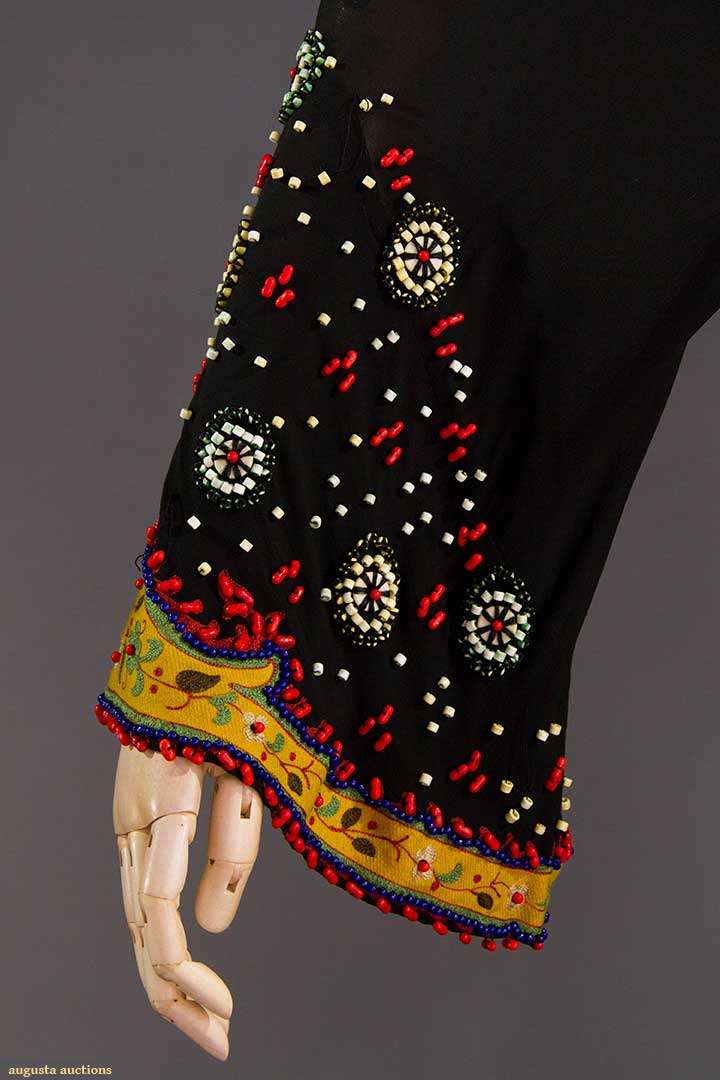
Like the 1810s dress, this is very much a frock of its own time, owning its colour to the growing fashion for black as the ultimate chic hue, and its shape to the growing trendiness of peasant inspired garments.
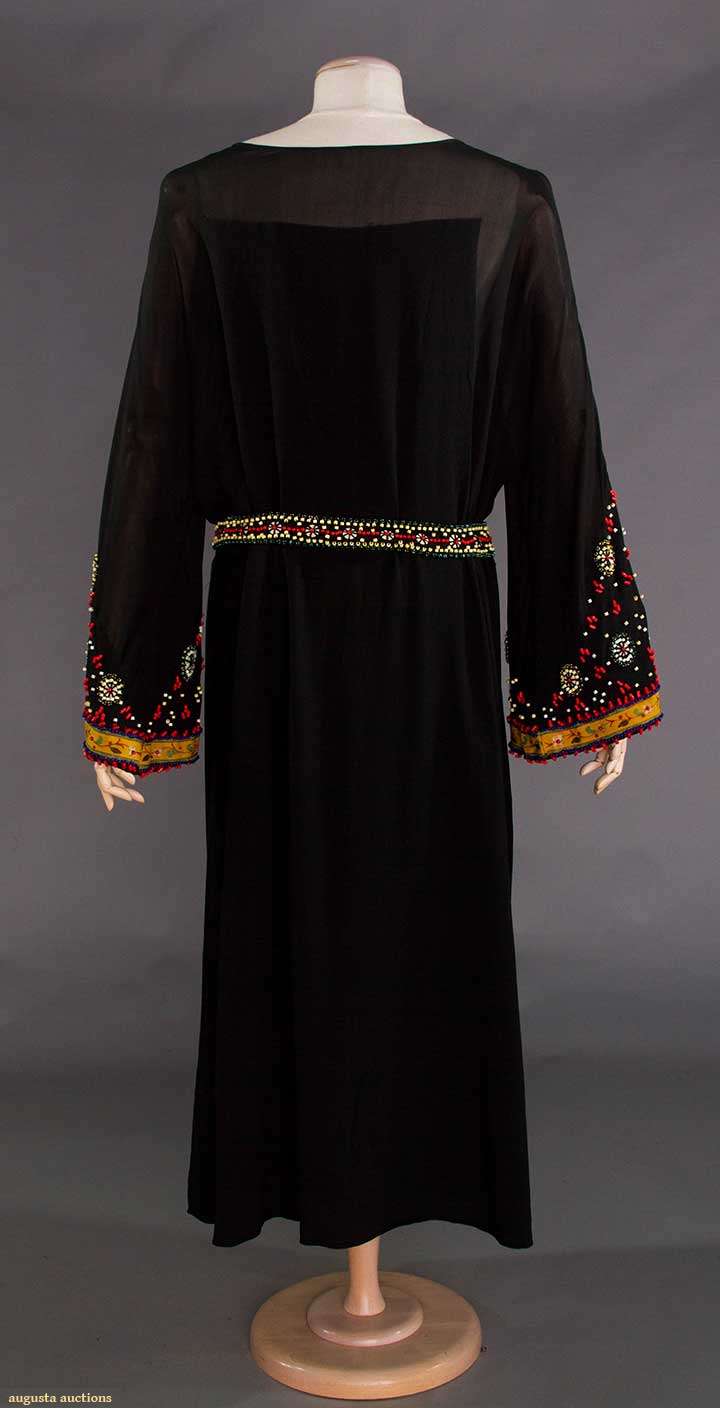
The black faille panelling on slightly sheer chiffon is another extremely ’20s touch: lending a hint of sex appeal to an otherwise modest frock.

Now, of course, we come to the important part.  The rating.  How will Patou’s frock rate in comparison to last week’s dress, and the white 1810s of a fortnight ago?

Rate the Dress on a Scale of 1 to 10

(as usual, nothing more complicated than a .5.  I also hugely appreciate it if you only do one rating, and set it on a line at the very end of your comment, so I can find it!  Thanks in advance!)
SaveSave

SaveSave

SaveSave

Here there be Pirates, thedreamstress.com

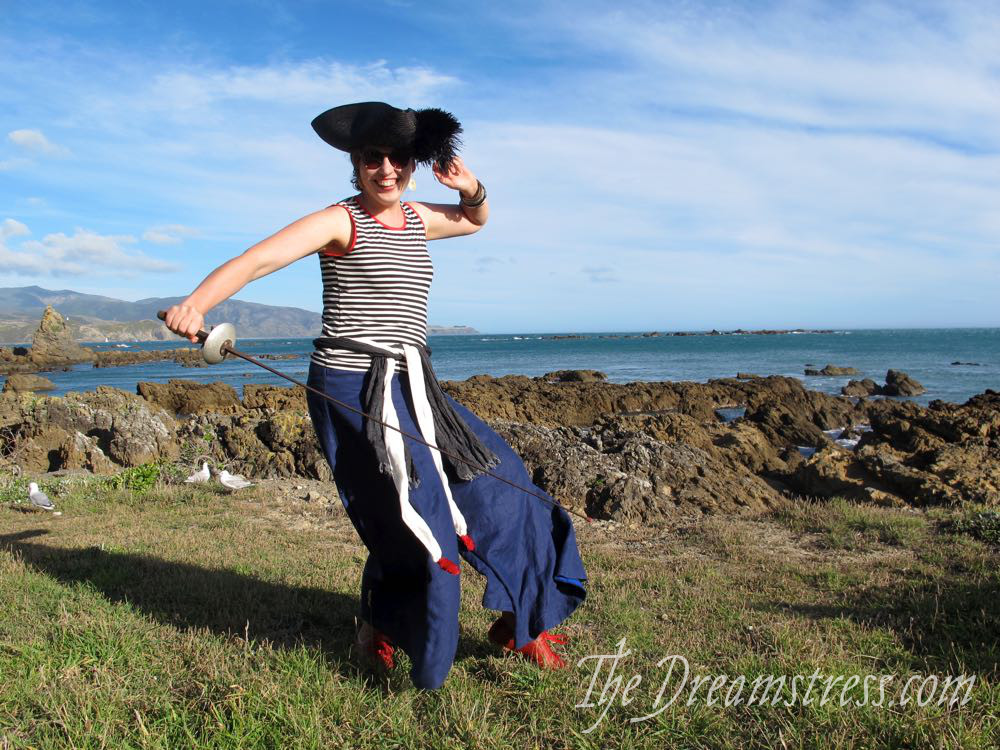
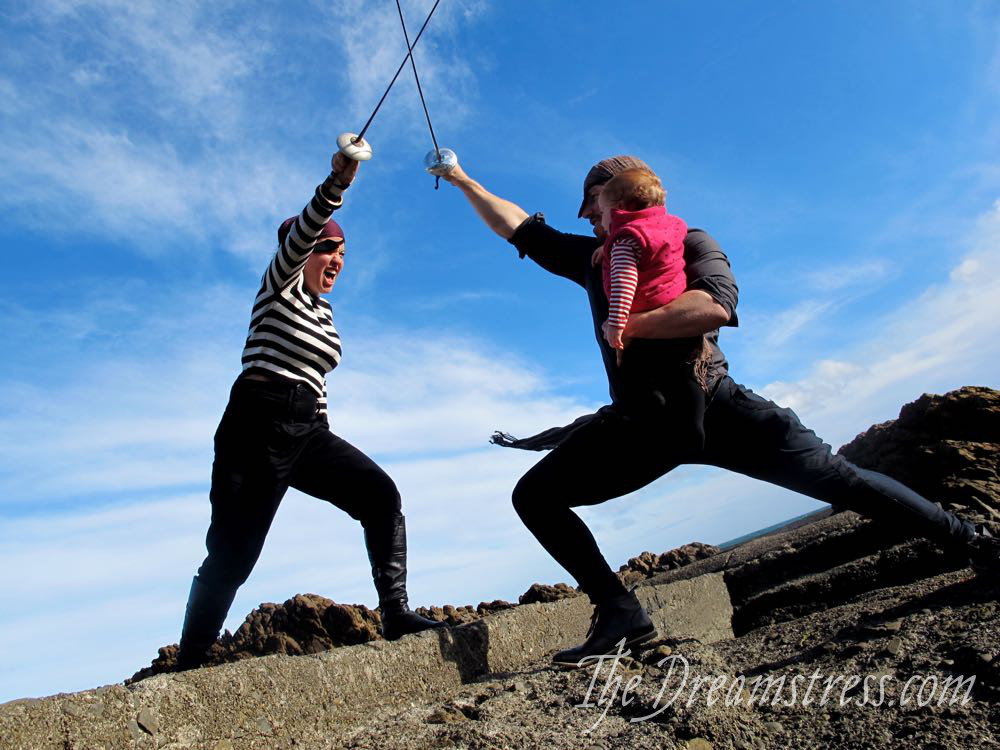
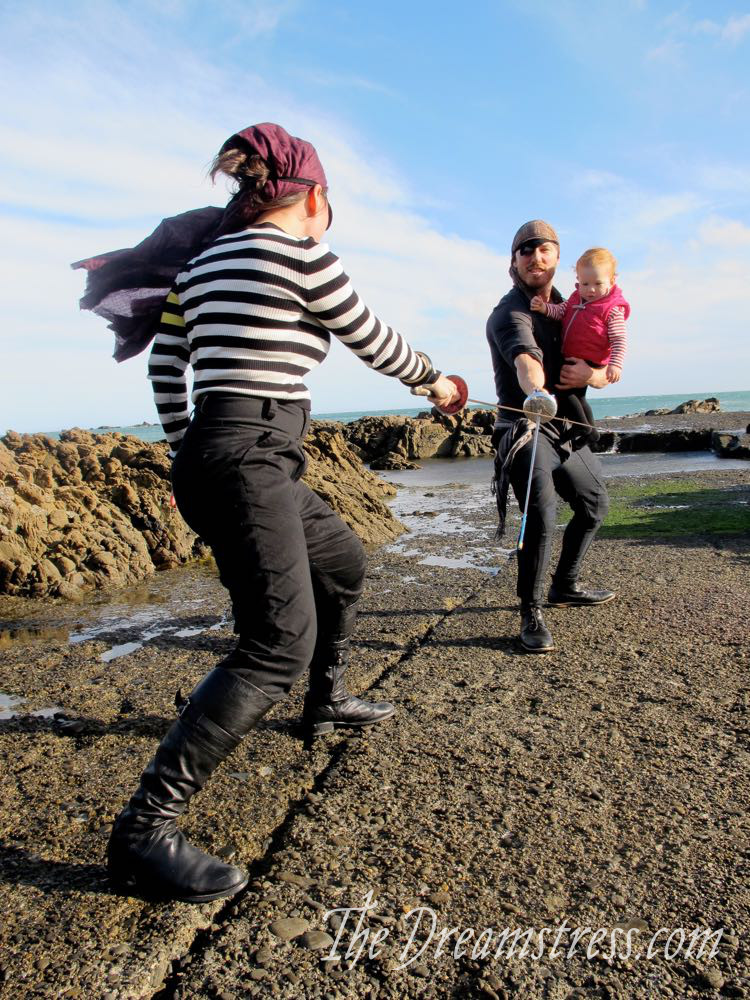
Arrrrr Matey! A Pirate Picnic

Last October Redthreaded hosted ‘Fall for Costume’ on Instagram, with daily themes.  One of them was ‘Pirates’, and I realised that I’d never dressed up as a pirate!

That was clearly an omission that must be rectified, so I threw a pirate picnic.

After all, what the point of being a costumer if you can’t let yourself go and be totally dorky every once in a while?

Here there be Pirates, thedreamstress.com

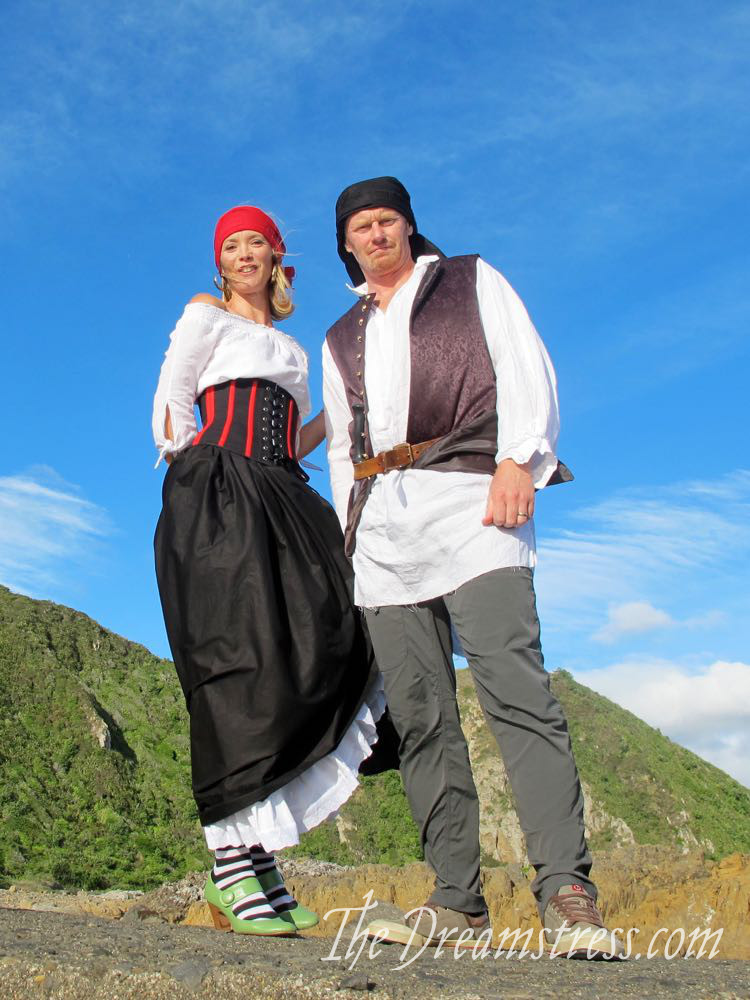
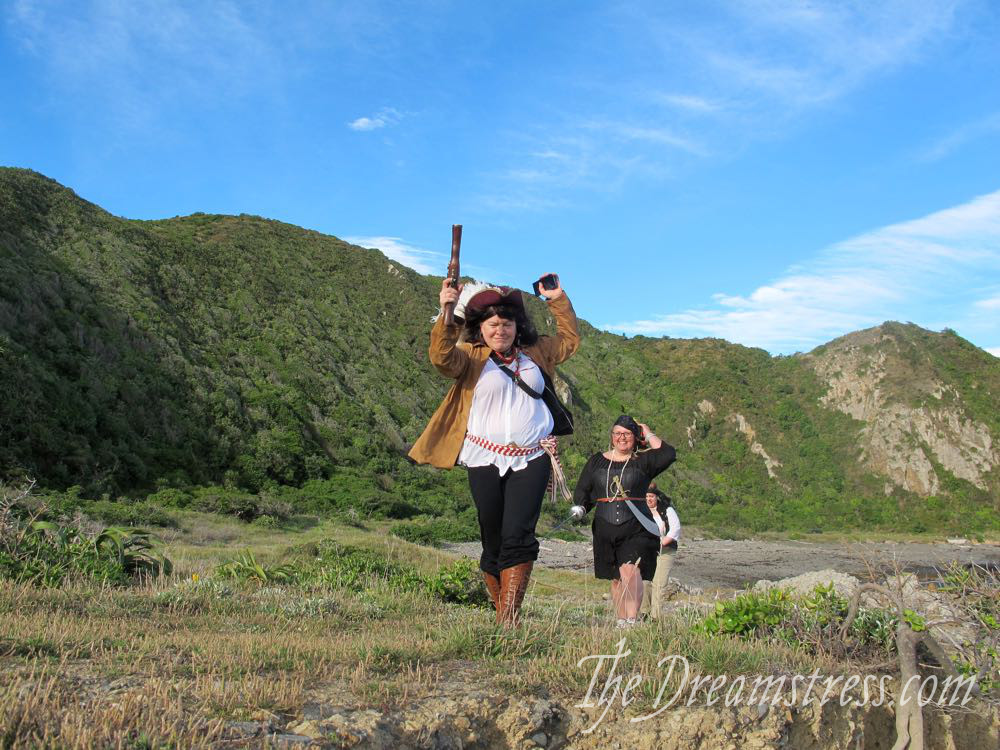
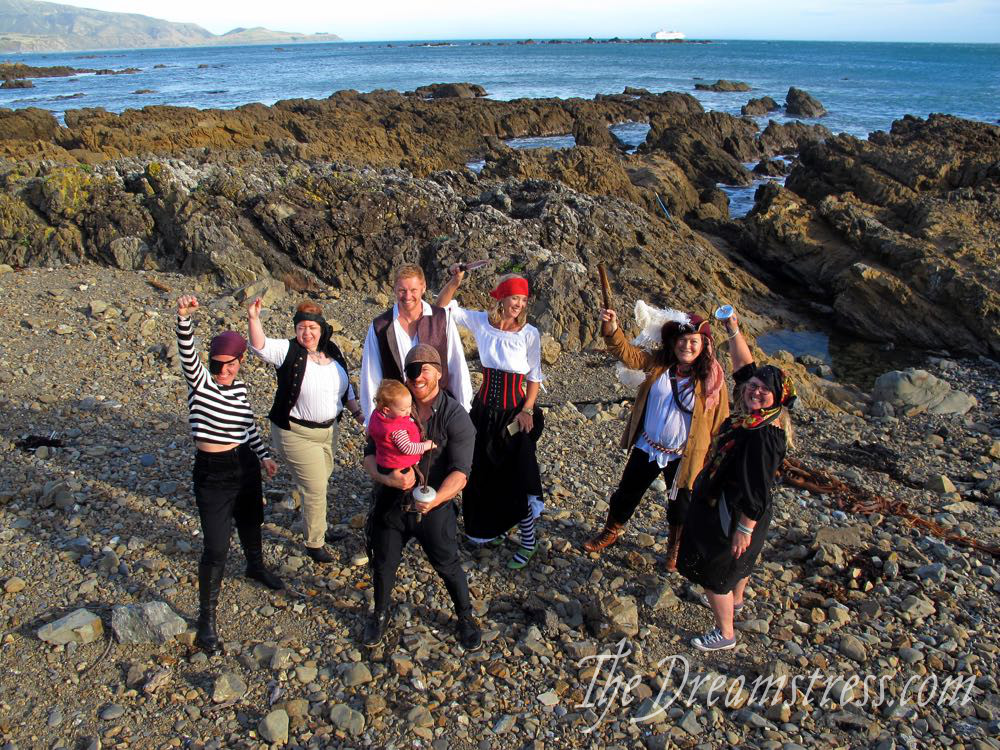
So I invited a bunch of friends willing to be dorky with me, and we all raided our wardrobes for striped shirts and big puffy white blouses, and boots and hats, and cutlasses and blunderbusses, and weighed anchor for the treasure coast.

Here there be Pirates, thedreamstress.com

The location I picked is conveniently quite deserted, so that we could be blissfully undisturbed in our dorkiness.  Because while I don’t mine being dorky, I like to do it as inconspicuously as possible!

Even more conveniently, it was relatively sheltered from the strong, blustery Northerly wind sweeping across Wellington that day.

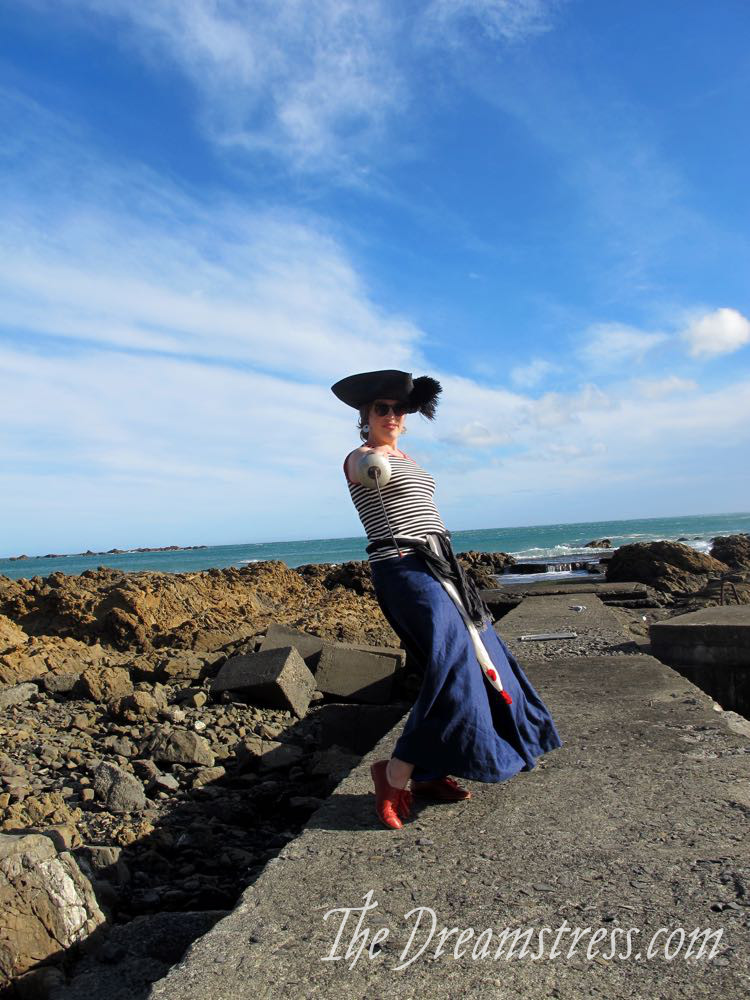
The wind did a lovely job of fluttering our feathers and sweeping our sashes most artistically.

We did decide that most of the classic ‘pirate-y’ clothing – all those feathered tricorn hats and heeled boots, hoop earrings, and big shirts and trousers, are totally impractical for all the things you’d do as a pirate.  The wind tried to blow our hats away, and tangled our sashes round our legs, and whipped our hooped earrings against our face.  All most inconvenient!

Here there be Pirates, thedreamstress.com

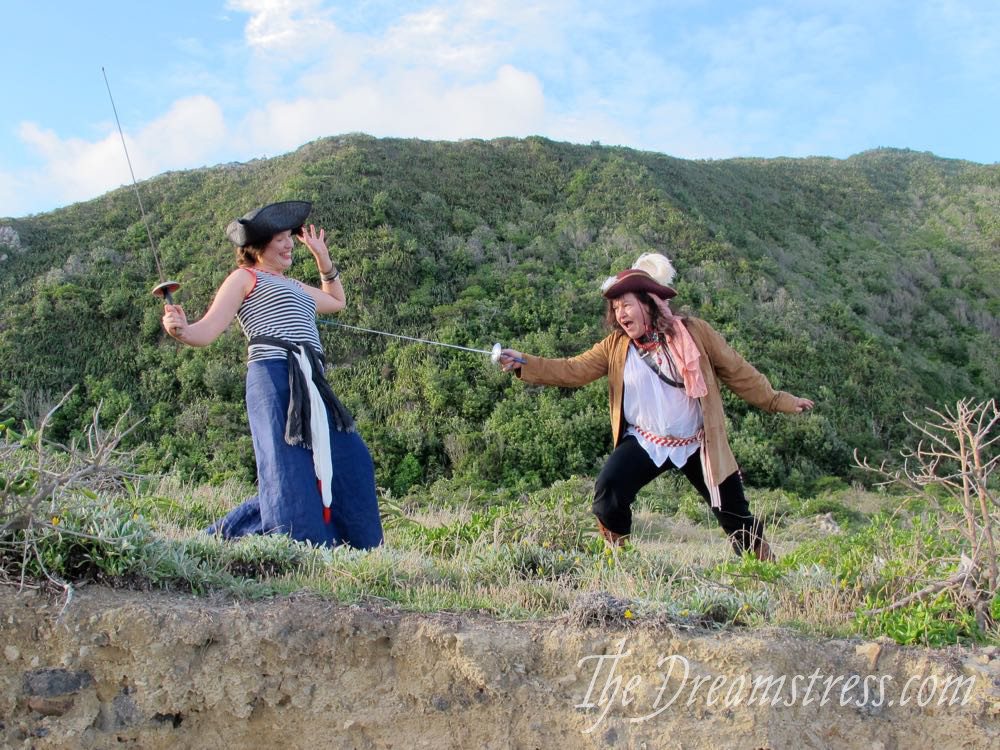
I’d meant to go for full 18th century lady-pirate, in stays and layers of petticoats, but was feeling sartorially lazy, so went 1930s-costume party pirate, with my Wearing History Chic Ahoy trousers, a striped singlet adapted from my personal T-shirt pattern, and lots of bracelets and sashes and a tricorn hat.

Also in attendance was Eloise of Linen & Linings.  I met Eloise years ago at a Versailles themed mystery dinner, and have recently reconnected.  Someone else in Wellington as mad about historical sewing as me!  I’m rather in awe at her speed though – she decided to make her husband that shirt, and handsewed it in just a few days!

Here there be Pirates, thedreamstress.com

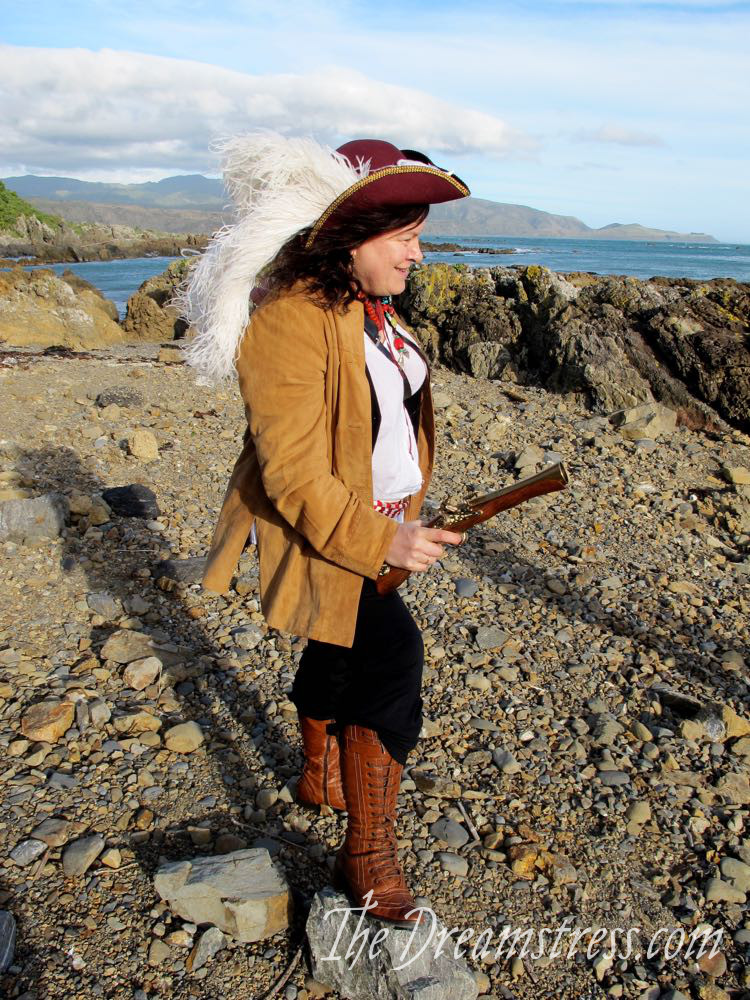
Madame O, as always, had the best feathers:

Here there be Pirates, thedreamstress.com

And there was even a baby pirate, who thoroughly enjoyed the Pirate-y antics:

Here there be Pirates, thedreamstress.com

Here there be Pirates, thedreamstress.com

Much fun was had, and nobody had to walk the plank!

Here there be Pirates, thedreamstress.com

Rate the Dress: Edwardian pink and Lace

Wearing History and I are hosting Edwardian & the Great War March on Instagram: (TagL  #greatwarmarch)  for all of March, carrying on from American Duchesses’ Victorian February and Dames a la Modes Georgian January.

If you’re on IG you can join us by sharing anything relevant to the daily theme from between 1900-1924 and tagging @wearinghistory and I (@thedreamstress)

Edwardian & Great War March #greatwarmarch hosted by @wearinghistory and @thedreamstress

To celebrate, March’s Rate the Dresses will be themed to those years. There is a ton of variations in fashion from between 1900-1924, so I don’t think you’ll get bored!

Last week:  a beaded ca. 1810 dress

No one could deny that the beading on last week’s dress was exceptional.  Some of you found the dress itself a little nightgown-y.  That beading definitely wouldn’t have been fun to sleep on!

The Total: 8 out of 10

Mostly I think for the beading!  Without it the dress wouldn’t be anything.

This week: a late Edwardian dress in pink velvet and lace

Dress, 1910’s From the collection of Alexandre Vassiliev

Dress, ca. 1910, From the collection of Alexandre VassilievThis afternoon or restrained evening dress combines the lush romanticism of the early Edwardian era with the vivid hues and more streamlined silhouette made popular by the Ballet Russes and other modernist and exotic influences.

The layering of fabrics and textures is typical of ca. 1910 fashion.  Delicate, sheer tulle mutes the lush cyclamen pink silk velvet.  The circular and floral lace applied to the tulle appears to be an earlier 19th century lace – possibly from the 1860s.  The final layer of lace is a lush metallic lace, which adds visual weight to the hem and borders, and carries out the progression of textures from light to heavy.

What do you think?  Do the materials work together?  Does the saturated pink keep it from being too sweet?

Rate the Dress on a Scale of 1 to 10

(as usual, nothing more complicated than a .5.  I also hugely appreciate it if you only do one rating, and set it on a line at the very end of your comment, so I can find it!  Thanks in advance!)
SaveSave