Latest Posts

Rate the Dress: Moss Green Edwardian Velvet

It’s been so hot in Wellington for the past month, and I long for walks in cool green forests, and mossy swathes under pine trees, and babbling brooks.  Meanwhile, I know that some of you in the Northern Hemisphere are dealing with unusually cold temperatures.  So for this week’s Rate the Dress I chose a moss green velvet Edwardian dress that would hopefully appeal to all of us: cozy enough for winter, in a colour that makes us think of cool things in the summer heat!

Last week:  a pink and gold and so-many-florals française

Well, for once you were totally unanimous about one aspect of a garment: the silver-trimmed stomacher that the MFA Boston had paired with the pink floral française was just terrible.  Daniel dubbed it a ‘Brillo pad’ and now I’ll never unsee that…  (also his comment included a truly terrible pun, and I always adore those!).

Other comments were mixed between loving and not loving the trim, and loving the pleats, but not the very square paniers (always a hangup with formal  française).  The fabric was generally very popular.

I’m with CR that the back view was so pretty that “it makes my heart happy”.  The front view really bugged me.  All those squiggles!  Nope.

The Total: 8.1 out of 10.

Much more charitable than I would have been!  From the front, it was one of my least favourite française ever.

(which now makes me wonder what my most favourite, which is only available as one back-view photo, actually looks like from the front.  Eeep!)

This week: an Edwardian Afternoon Dress in Moss Green Velvet.

This week’s pick is a type of garment that I love: something lush and decadent, without having to be a ballgown.

This afternoon dress took every bit as many hours as a frothy Edwardian ballgown.   The bodice features shaped cut-outs, and elaborate beading and embellishment.  The beading is worked in sequins and marcasite.  Despite its dark hue, the dress would have sparkled under the gaslights on a dark winter afternoon.  The pale yellow silk taffeta behind the cutouts would have glowed like stained glass.

Even with the sparkling trim, the overall effect is one of restraint.  The dark fabric and modest silhouette balance the sparkle and decadence.  The cutouts, hinting as they do at stained glass, seem more holy than holey, more pious than peek-a-boo.  They also feature fleur de lys, frequently associated with the Virgin Mary in European iconography.

In contrast to the elaborate bodice, the skirt is relatively plain, letting the swathe of luxurious green silk velvet speak for itself.  There is only a hint of trimming at the hem.  It ties the skirt to the bodice, and also may have helped to hide the hemstitching.

What do you think?  Does the pairing of modesty and extravagance tickle your fancy?  Do you find the colour scheme as appealing and evocative as I do?
Rate the Dress on a Scale of 1 to 10

1780s American Duchess cap review thedreamstress.com

The 1780s cap from the American Duchess Guide to 18th Century Dressmaking

It’s always a good feeling to finish the year and a sewing project at the same time.  This time I finished the 1780s cap from the American Duchess Guide to 18th Century Dressmaking just as 2017 closed.

Literally!

I was sitting on my couch sewing on the bow and watching bonnet movies as the year ticked over, because that’s how I party!

1780s American Duchess cap review thedreamstress.com

As far as I know, I’m the first person to have made the 1780s cap, which means I had the dubious distinction of discovering the typo where it says to cut one piece instead of two for the both the ruffles.

1780s American Duchess cap review thedreamstress.com

I should have figured out the typo on my own.  Two makes so much sense!  But I was pattern testing for Scroop Patterns at the same time.  The cap was my ‘down’ time from pattern testing, but my brain was 100% in pattern testing mode.  That means I turn off independent thought and logic and follow what a pattern says exactly.  And I really wanted to do the patterns as AD gave them, rather than muddying the waters with what I know about 18th c sewing.

So I got completely flummoxed when things didn’t match up.  Luckily American Duchess has the best customer service, so when I left a note asking what I was doing wrong I got an answer within 20 minutes.

1780s American Duchess cap review thedreamstress.com

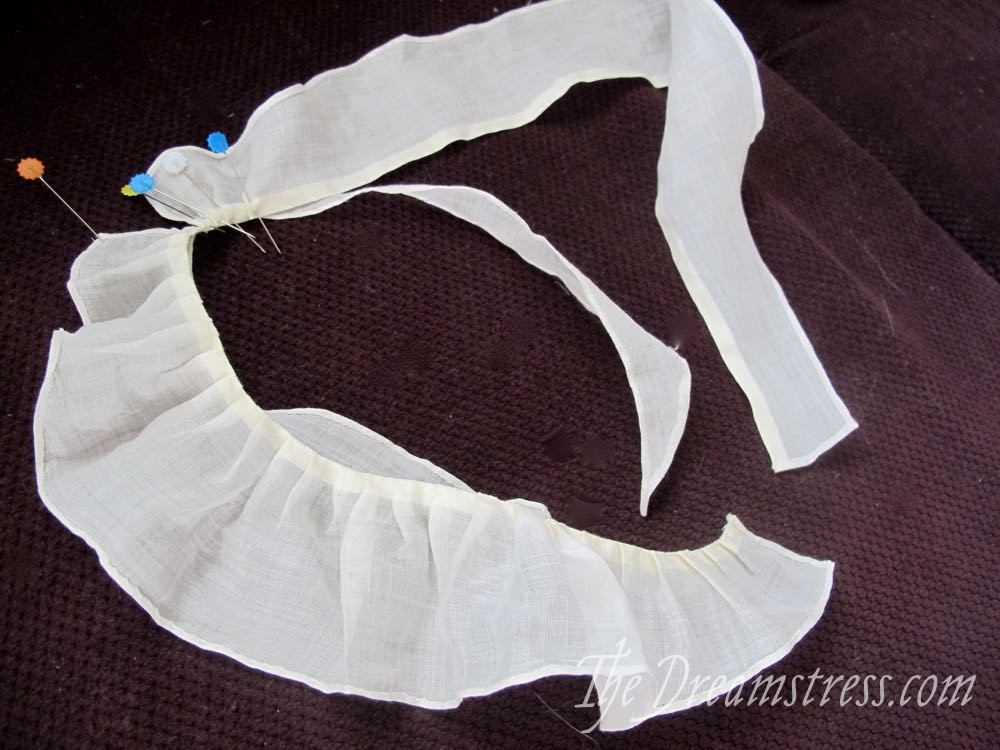
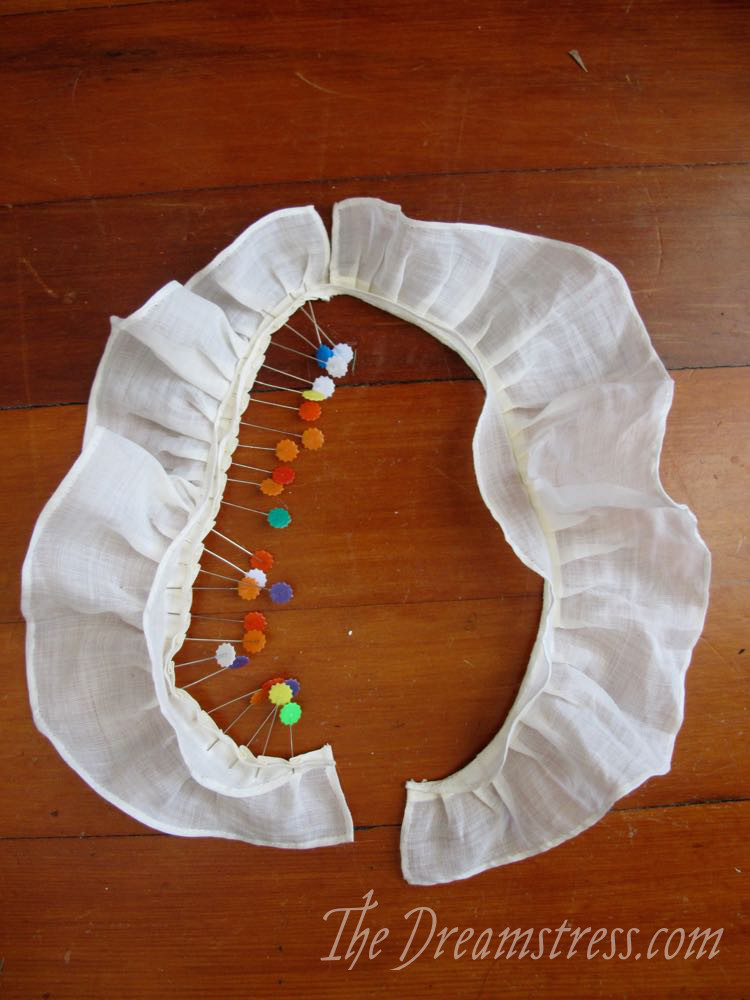
Fixing the problem did take a wee bit of unpicking.  I was also gutted to realise I had to hem yet more ruffle pieces (so much hemming), but it didn’t take me long to get back on track.

Ironically, I’d picked the 1780s cap to start with because it looked like it had less pieces to hem, with only 1 each of the ruffles.  Ah well, that means the 1770s one will be easier!

The Verdict:

With the right pattern pieces, the instructions in the book are totally followable.  If you take care and follow them properly you’ll end up with a gorgeous cap.  I’m thrilled with the end result.  I’m also hooked on cap making.  So useful!  So nice and small, so you can always have a few pieces of one with you to sew!

1780s American Duchess cap review thedreamstress.com

I do have SO many questions though.

Not ‘I’ve tried and tried, but the instructions are totally confusing me, can you clarify X” questions.   I think those are fair to ask the authors (once you’ve made a VERY good effort of looking for the info elsewhere and seeing if they have blogged about it! 😉 ).  More like: “X stitch is used here, but are there any examples with Y stitch?”   The kind of questions you could ask in a class.  The book has provided just enough information to whet my appetite!  If I ever get a chance to take a Burnley & Trowbridge workshop (a girl can dream) I am SO there!

So the book is great, but no substitute for a class, and getting to pick the brains of an expert.

I do wish the book spent a little more time telling you how to put the cap on, and explaining how the drawstring works / helps the fit.  These do seem a bit trickier than putting an apron on, or making a neck ruffle, both of which are explained in detail.

Construction notes:

I really enjoyed making it, but man this cap was A LOT of work.  So much tiny, tiny handsewing. I’m now looking at the caps in Virgil’s Fine Goods and thinking that the prices are EXTREMELY reasonable for the work!

1780s American Duchess cap review thedreamstress.com

To finish my cap, I looked at lots and lots of images of caps in 1770s & 1780s paintings and fashion plates. In almost all examples the ribbon on the cap either matches the ribbons on the garment, or is white.

I didn’t have suitable silk ribbon in either colour.

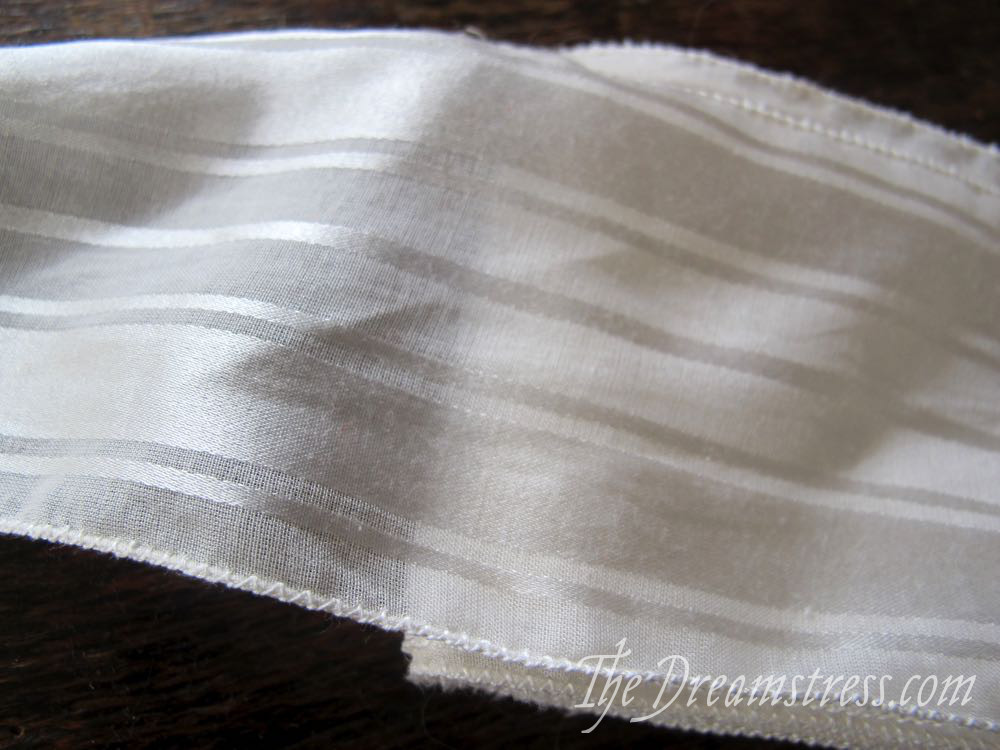
So I made my own:

1780s American Duchess cap review thedreamstress.com

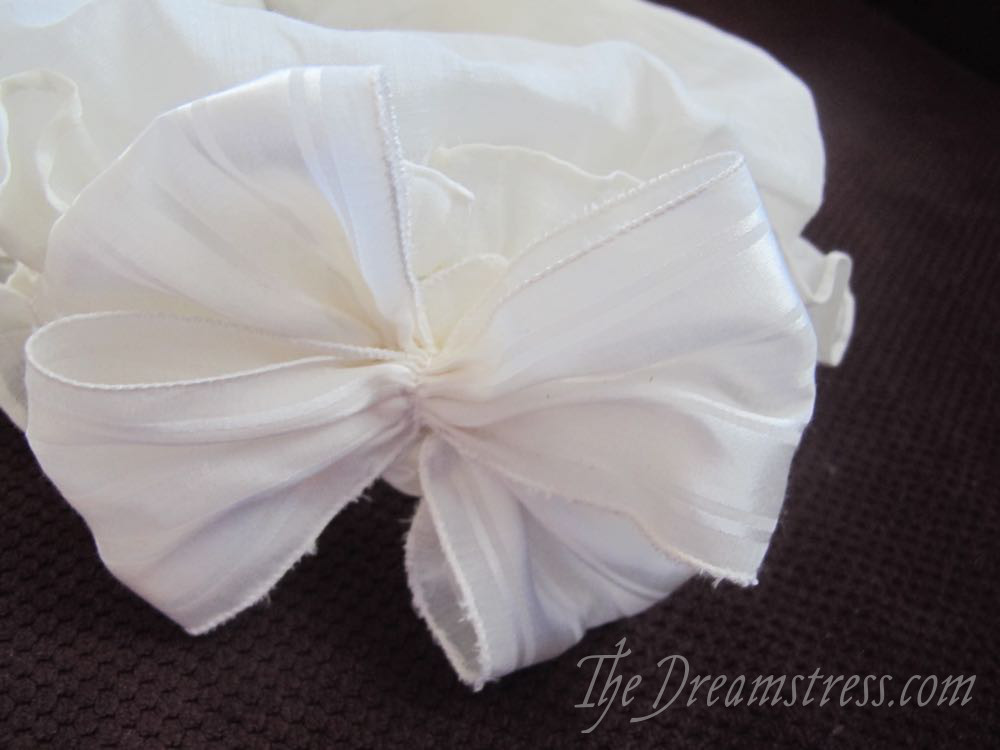
This lovely silk-cotton with satin stripes has been in my stash for ages. Striped ribbons are shown in lots of 18th c paintings. To make mine, I just finished the edges with a very narrow sewing machine zig-zag stitch.  I am 100% ok with that as a historical compromise.  It’s so difficult to find modern silk ribbon that matches the hand of period examples.  In my mind a length of ribbon with the right hand is a length of ribbon with the right hand.  Doesn’t matter if the edges were woven in or finished by your truly.

1780s American Duchess cap review thedreamstress.com

1780s American Duchess cap review thedreamstress.com

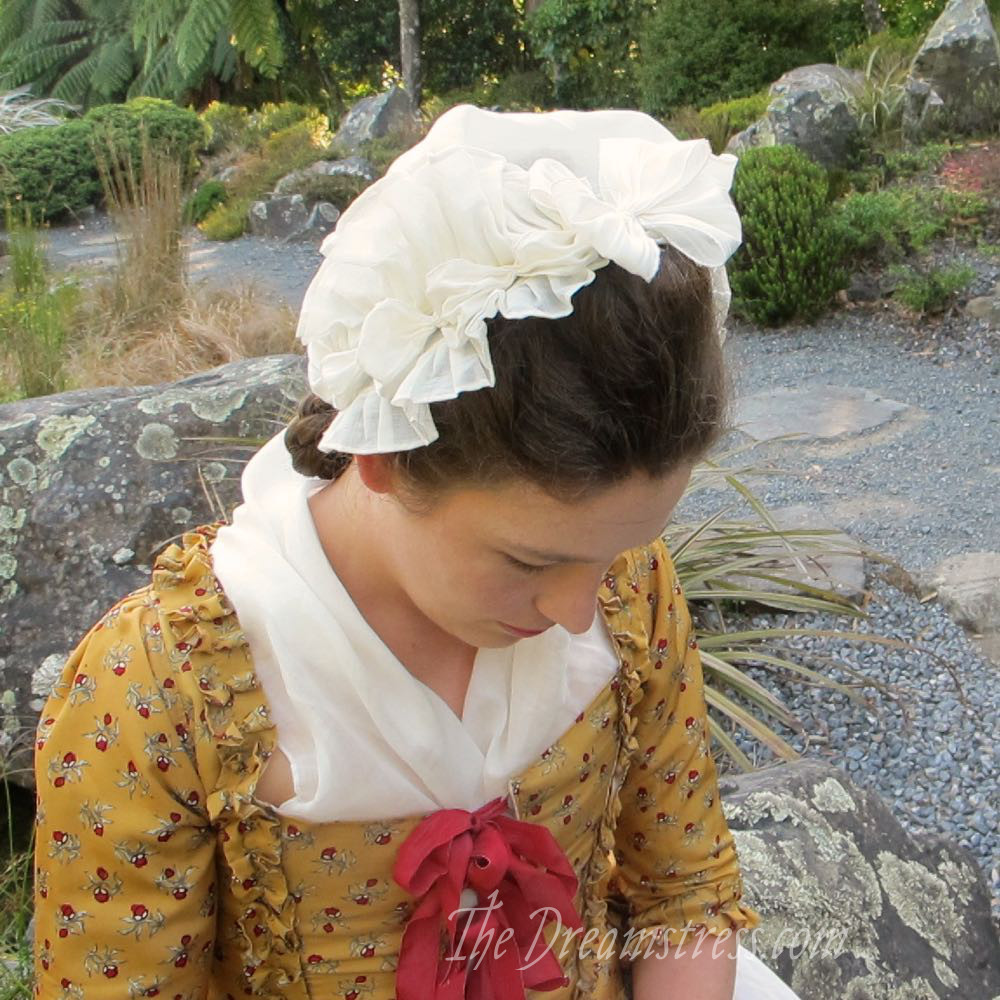
The Finished 1780s Cap:

1780s American Duchess cap review thedreamstress.com

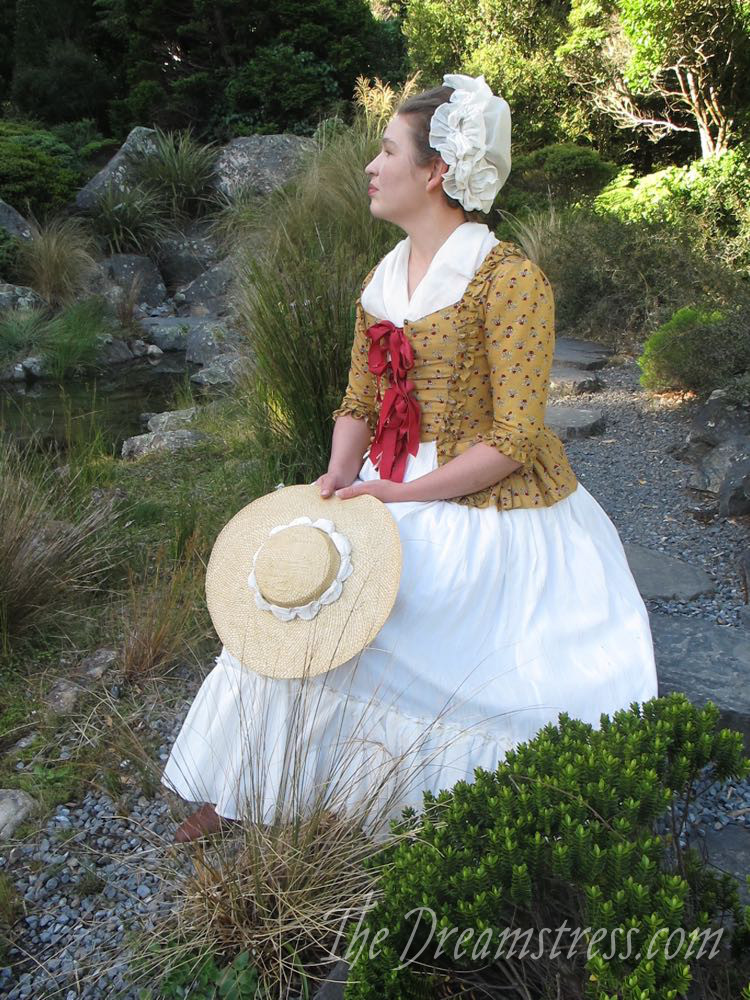
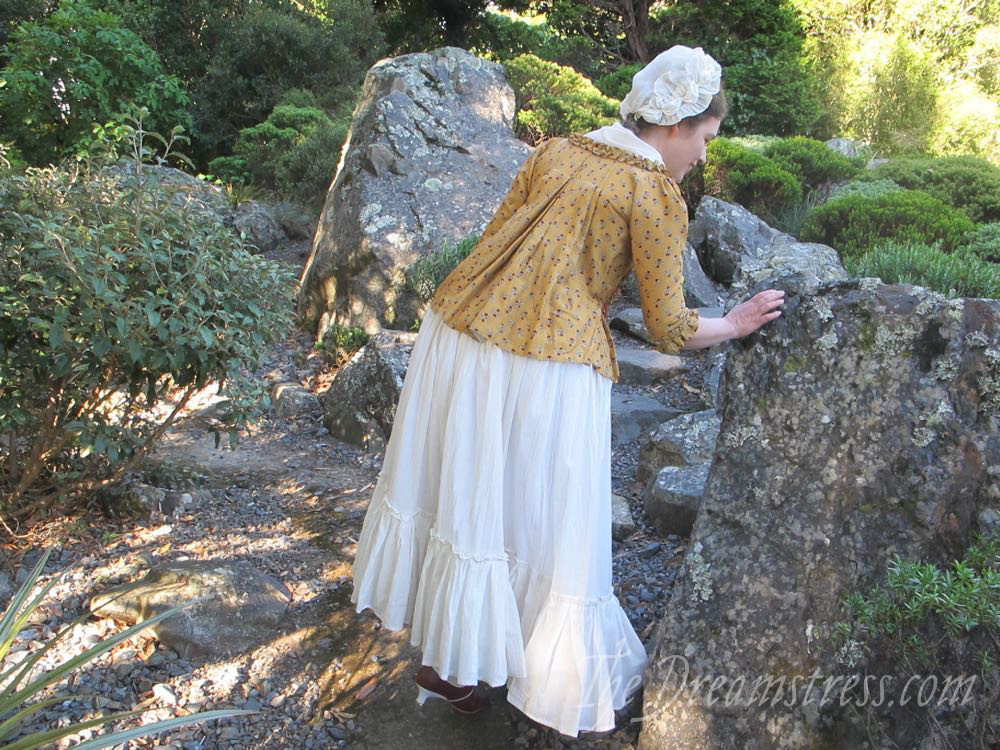
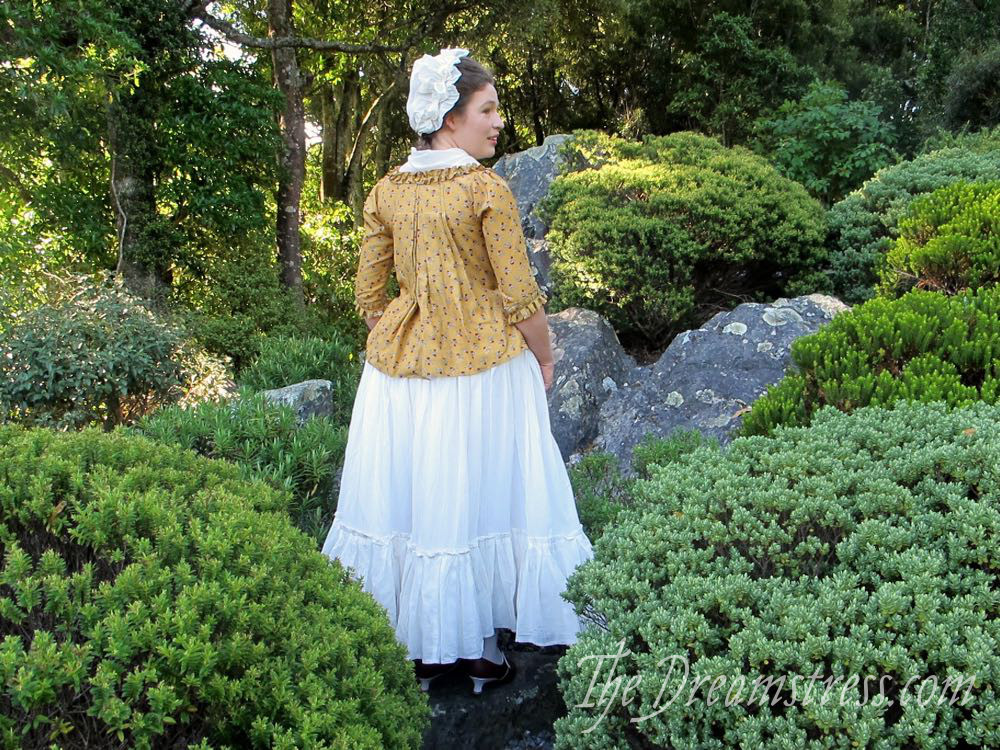
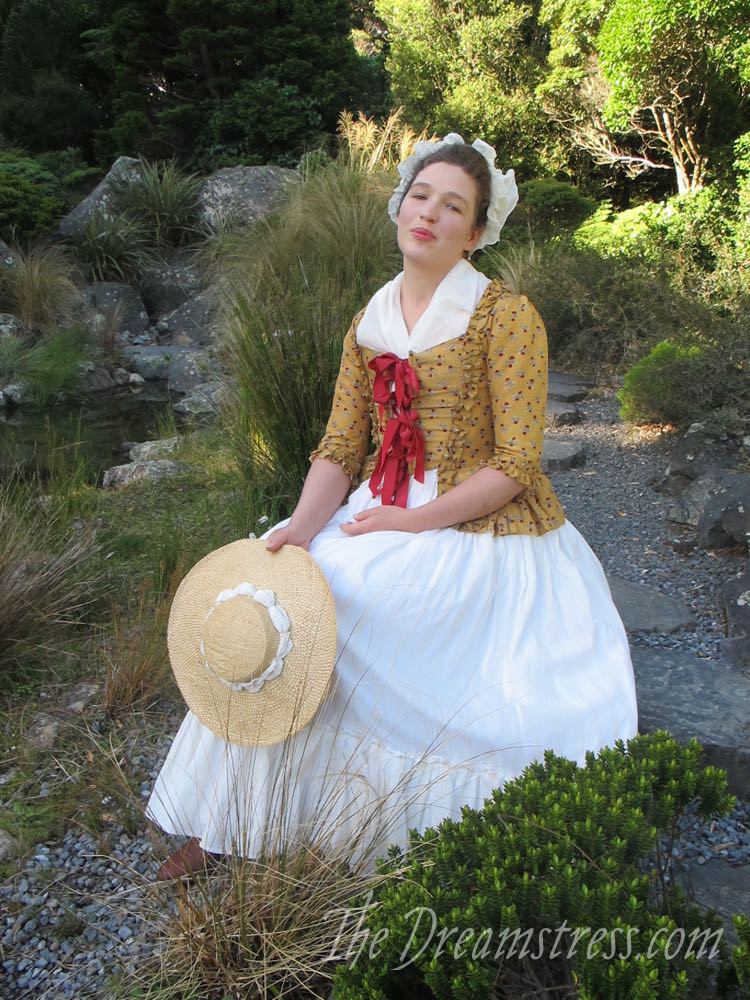
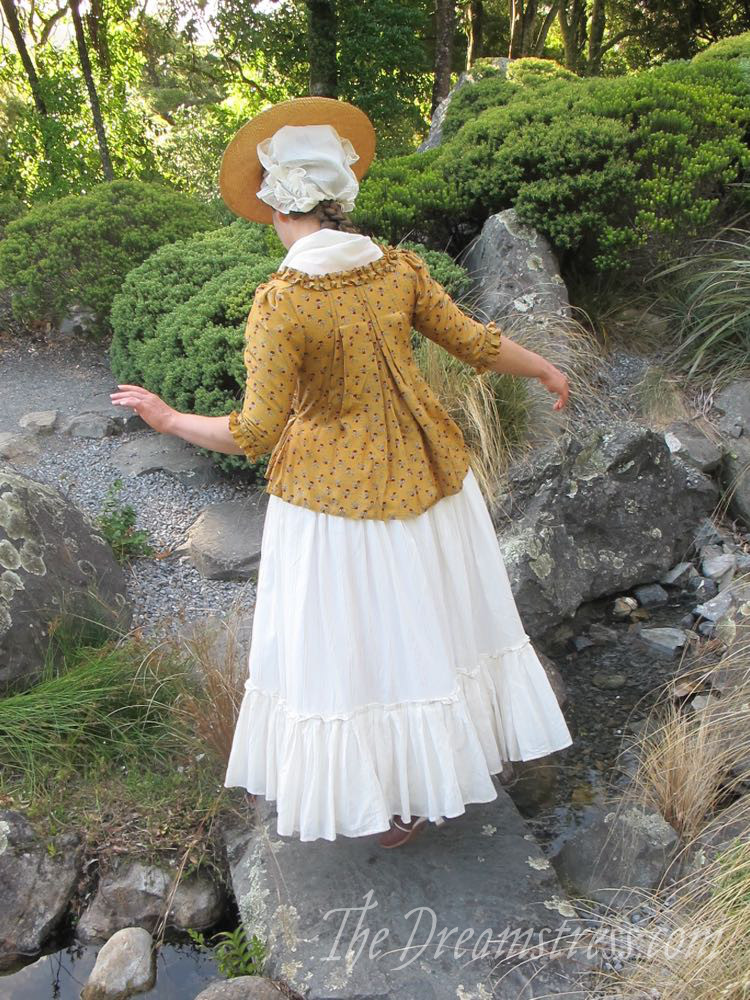
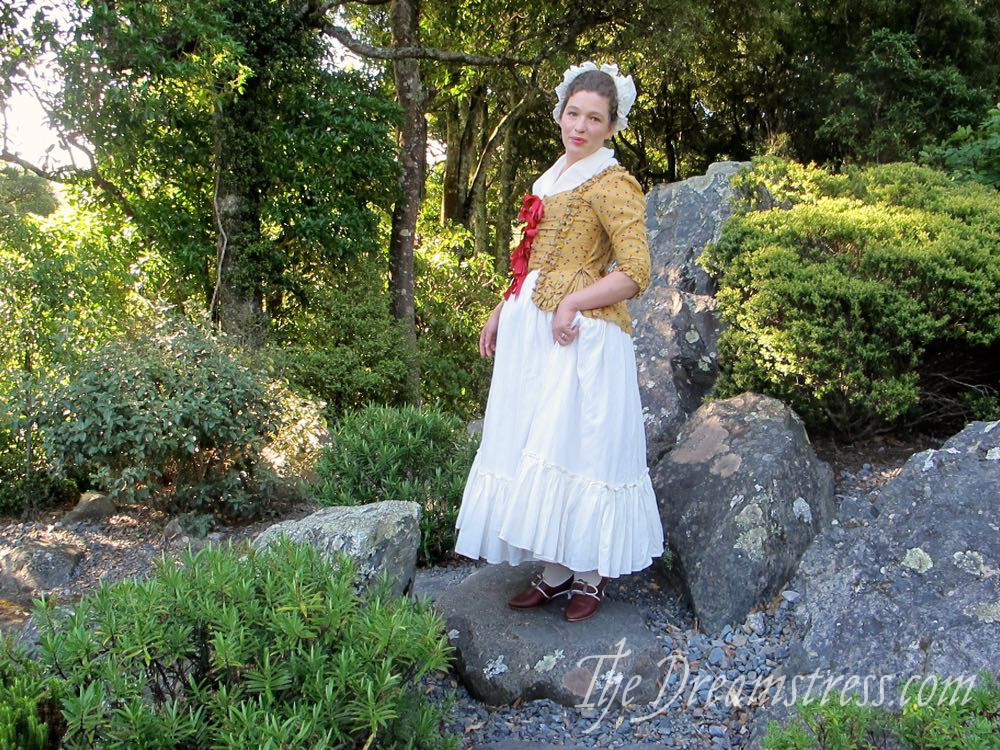
I celebrated my new 1780s cap by taking photos with it and my yellow silk pet-en-l’aire.

1780s American Duchess cap review thedreamstress.com

I’m still working on getting 18th century hair right, but Mr D & I had lots of fun taking the photos, even if they don’t look perfect.  (also, I’ve gotten a wee bit bigger since making the pet, and Mr D is not very good at lacing me into my stays properly, so the pet is SNUG)

1780s American Duchess cap review thedreamstress.com

I wore the outfit with a newly made neckerchief of the same linen voile, and my exciting new American Duchess red & white Dunmores.

1780s American Duchess cap review thedreamstress.com

So much fun!

1780s American Duchess cap review thedreamstress.com

SaveSave

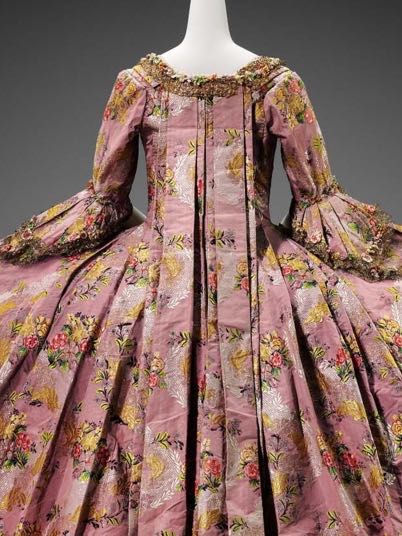
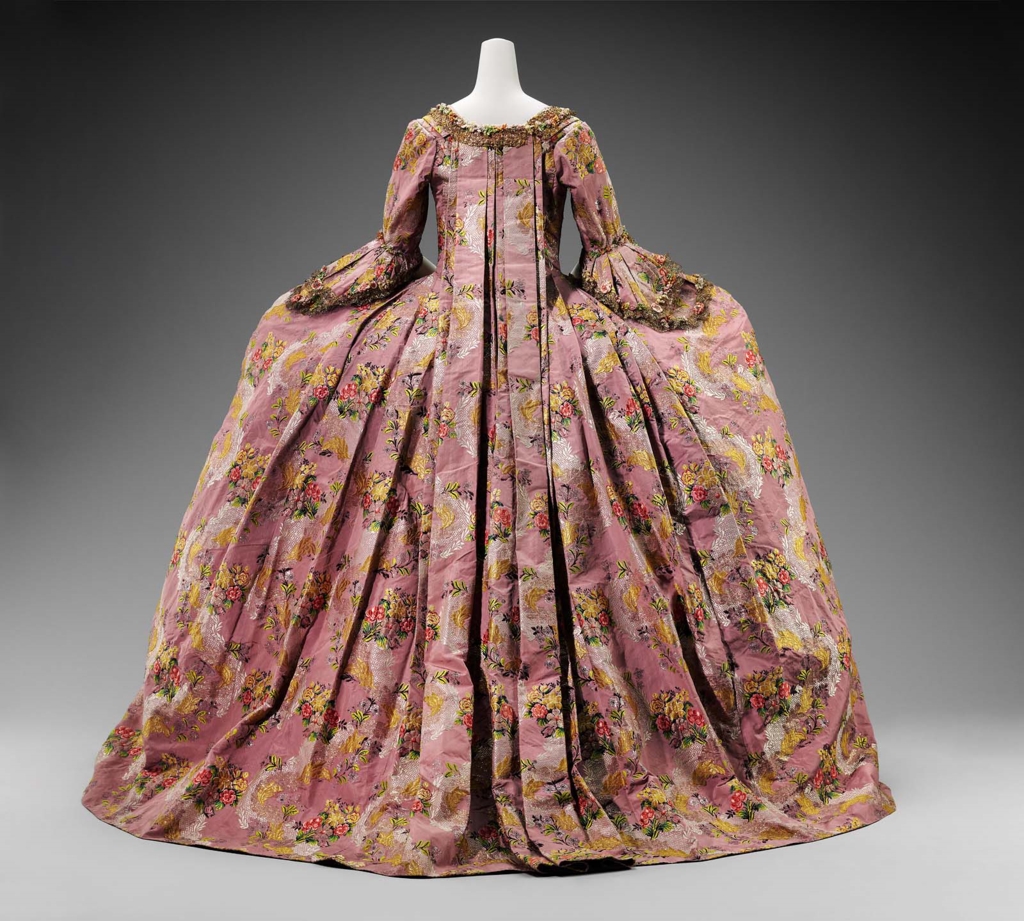
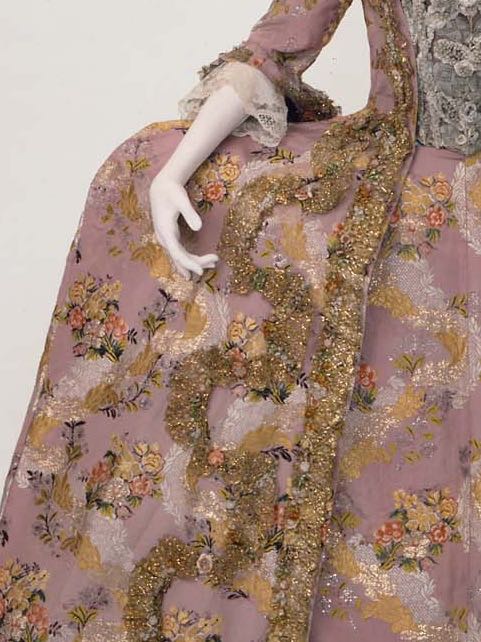
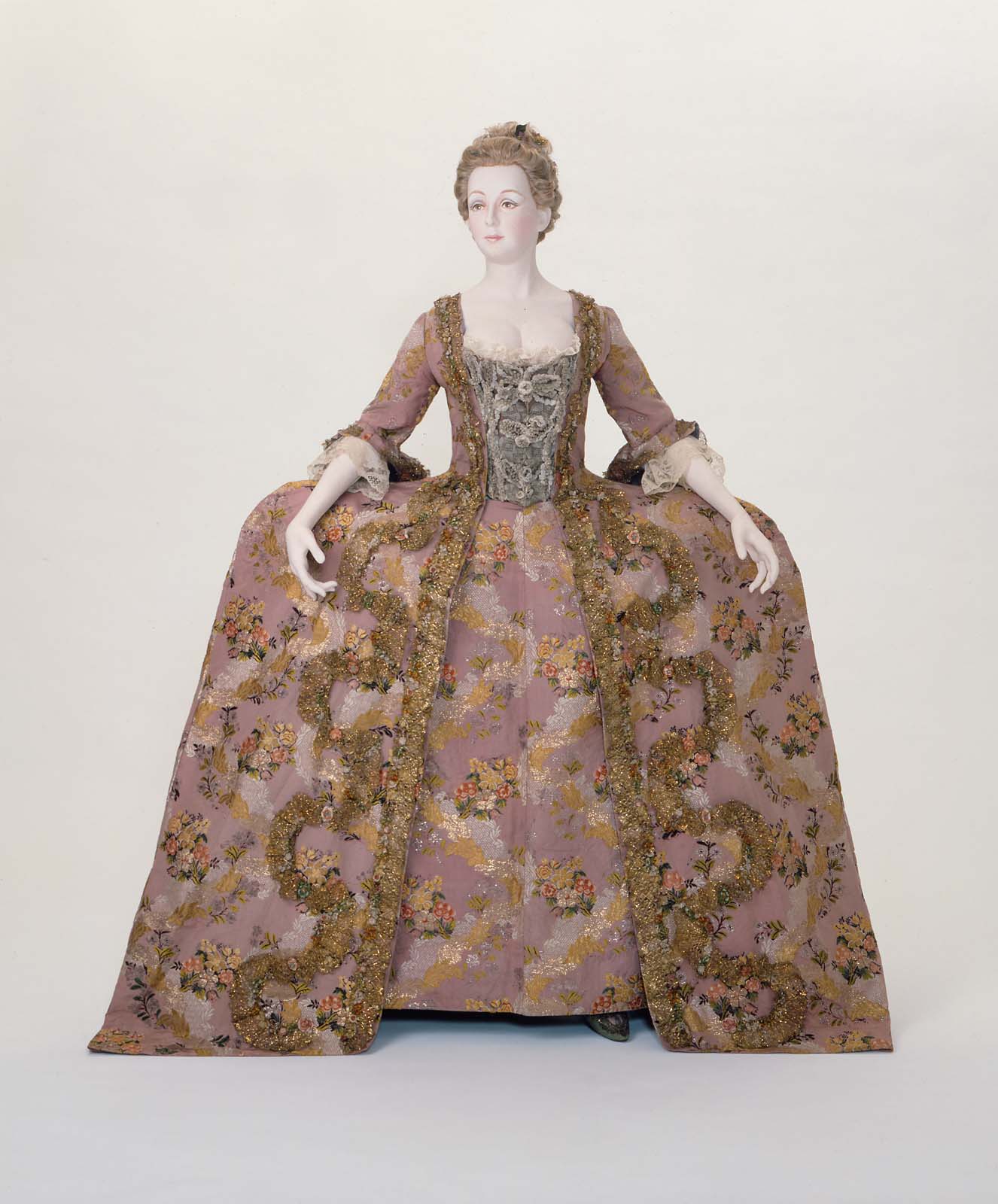
Robe a la Francaise, Italian, about 1775, Silk taffeta brocaded with silk and metallic threads, MFA Boston, 77.6a-b

Rate the Dress: Rosy Pink & Roses Française

I have robe  la françaises on the mind, so they have inspired this week’s Rate the Dress pick.  It’s the most pink and cabbage-rose-y Française I could find.  I’m interested to see if you’ll think that’s a good thing or not!

Last week:  a crinoline-to-first-bustle-era transitional gown in jewel green patterned silk

Generally speaking, you liked last week’s dress as an example of its type.  A few of you even loved it.  Most of you just weren’t that inspired by it, even if you didn’t actually like it.  I did find the various interpretations of the print most amusing.  Bats!  Seagulls!  (or, in reality, little berry or bud sprigs.)

The Total: 7.1 out of 10.

That’s definitely a nice-but-not-inspiring rating.

This week: a pink and gold and so many florals française:

Sacque dresses were really just vehicles for a lavish amount of sumptious fabric and a froth of decadent trim.  This one is no exception.  The extremely wide square hoops show off meters of the rosy silk.  The front of the dress and sleeves feature expensive metallic lace.

The serpentine curves of fabric don’t allow for a symmetrical print placement across the back pleats, so instead they are used to create an additional set of spiralling lines.

A theme of straight construction lines with curved design lines is repeated throughout the dress: even the sleeves are attached with straight angles, rather than the curved armscye we’re used to in modern garments.

The MFA Boston has chosen an interesting pale grey or silver stomacher to pair with the dress. I’m almost certain it’s not one that was ever worn with this dress in-period.

What do you think? Do you like the fabric, with its muted dusky-rose-pink ground, and lush floral pattern?  Does the interplay of symmetrical construction and trim, and asymmetrical fabric, work for you?

Rate the Dress on a Scale of 1 to 10