Latest Posts

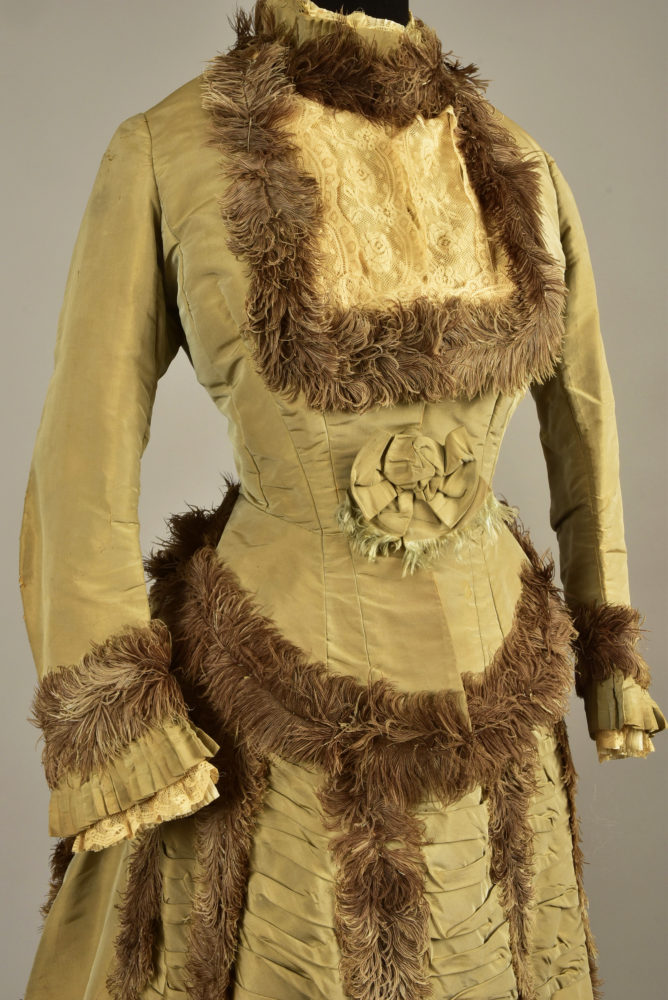
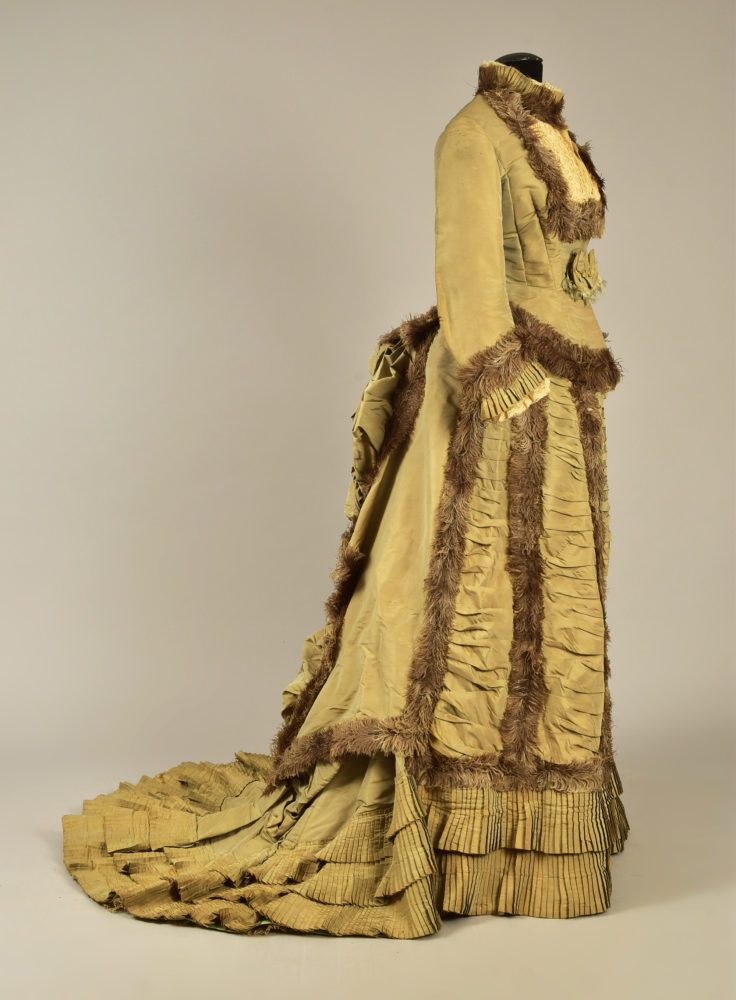
Two piece reception or day dress said to have been worn by Empress Eugenie, silk taffeta and faille with ostrich feathers, 1876, Helen Larson Collection, sold by Whittaker Auctions

Rate the Dress: Fine Feathers for an Empress

This weekend I gave a talk on the ways in which the Pacific influenced Western fashion, including goods made from very Pacific birds: kiwi feather muffs, and bird of paradise bedecked hats. So I have feathers on my mind, and have picked a very feathery dress for this week’s Rate the Dress feature.

Last week: a 1910s dress from a brides trousseau

I don’t think anybody is going to be hugely surprised that last week’s frock was pretty popular. Sure, not everyone loved the muted colour, or the floral ribbon, and some of you thought it was almost boring in its tastefulness and elegance and general perfection, but only one person actually disliked it and rated it less than 8.

The Total: 9.3 out of 10

Nice!  

This week:  an 1876 reception or day dress said to have been worn by Empress Eugenie  

This feather bedecked dress is said to have been worn by Victorian fashion icon Empress Eugenie (in her post-Empress days).
Two piece reception or day dress said to have been worn by Empress Eugenie, silk taffeta and faille with ostrich feathers, 1876, Helen Larson Collection, sold by Whittaker Auctions

Eugenie was known for her excellent taste, which combined impeccable intuition of the right thing to wear with a willingness to be inventive and daring, and to set new trends. I suppose its easier to be a trendsetter when your husband is the monarch, though EE copped less criticism for it than Marie Antoinette, who she admired and purposefully emulated.
Two piece reception or day dress said to have been worn by Empress Eugenie, silk taffeta and faille with ostrich feathers, 1876, Helen Larson Collection, sold by Whittaker Auctions

This dress is certainly inventive and innovative, with its fluffy borders of ostrich feathers (a feather that luckily, unlike the ones I discussed on the weekend, doesn’t involve killing its natural wearer to harvest).

Two piece reception or day dress said to have been worn by Empress Eugenie, silk taffeta and faille with ostrich feathers, 1876, Helen Larson Collection, sold by Whittaker Auctions

The feathers create a little tail over the bustle, and delineate the lines of ruched fabric in the front skirt, and the picked up areas of bustling at the back of the skirt.
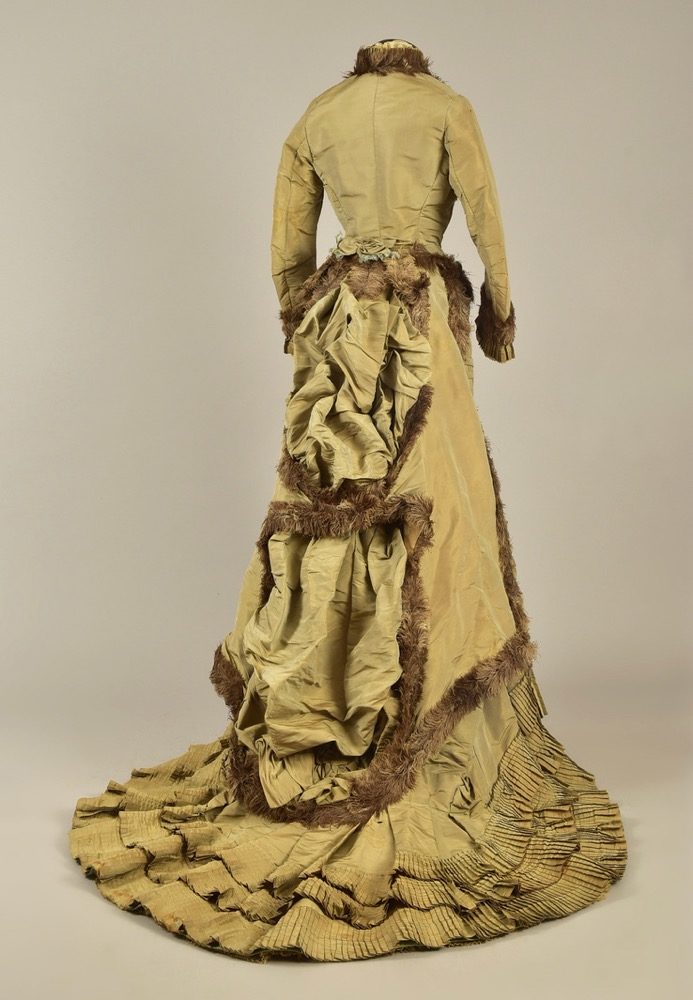
Two piece reception or day dress said to have been worn by Empress Eugenie, silk taffeta and faille with ostrich feathers, 1876, Helen Larson Collection, sold by Whittaker Auctions

What do you think? Is this feathery frock a fun and memorable dress choice for a fifty-year old ex-empress, or a fashion faux-paus all around?

Rate the Dress on a Scale of 1 to 10

A reminder about rating — feel free to be critical if you don’t like a thing, but make sure that your comments aren’t actually insulting to those who do like a garment.  Phrase criticism as your opinion, rather than a flat fact. Our different tastes are what make Rate the Dress so interesting.  It’s no fun when a comment implies that anyone who doesn’t agree with it, or who would wear a garment, is totally lacking in taste.

(as usual, nothing more complicated than a .5.  I also hugely appreciate it if you only do one rating, and set it on a line at the very end of your comment, so I can find it!  And 0 is not on a scale of 1 to 10.  Thanks in advance!)
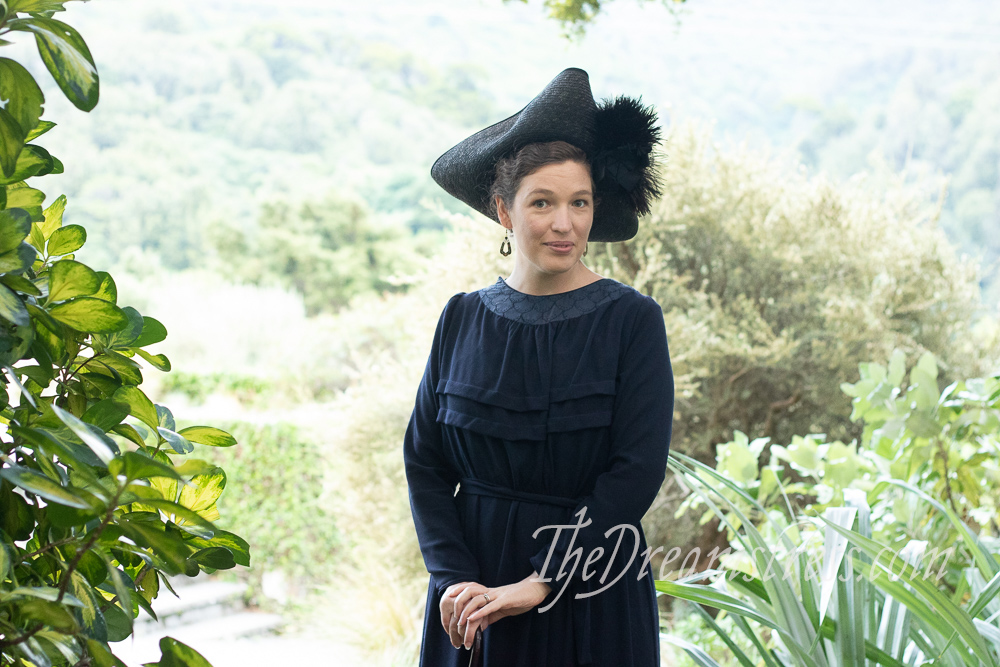
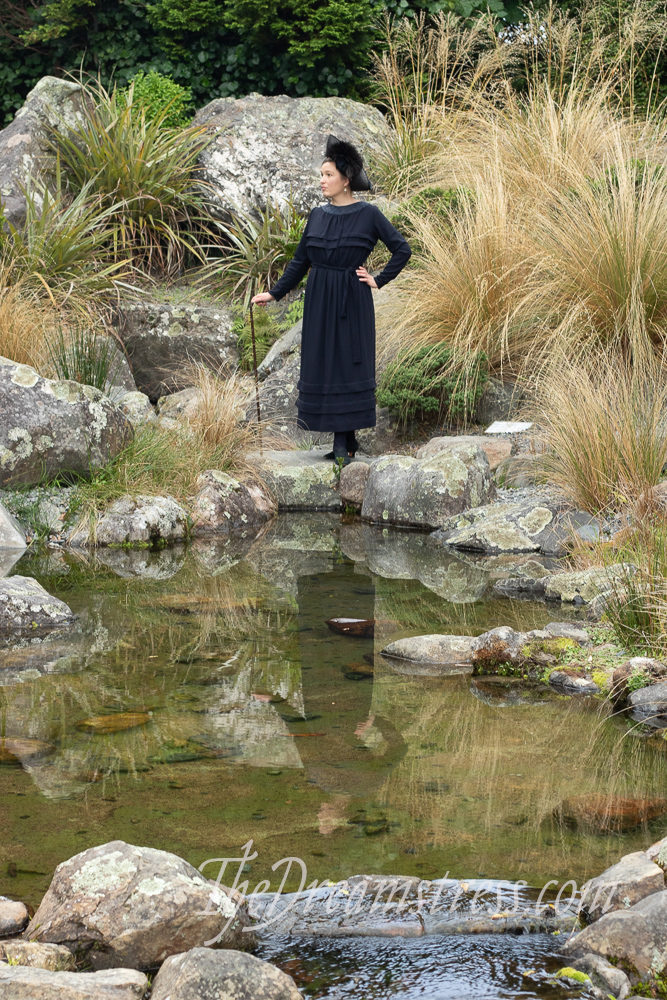
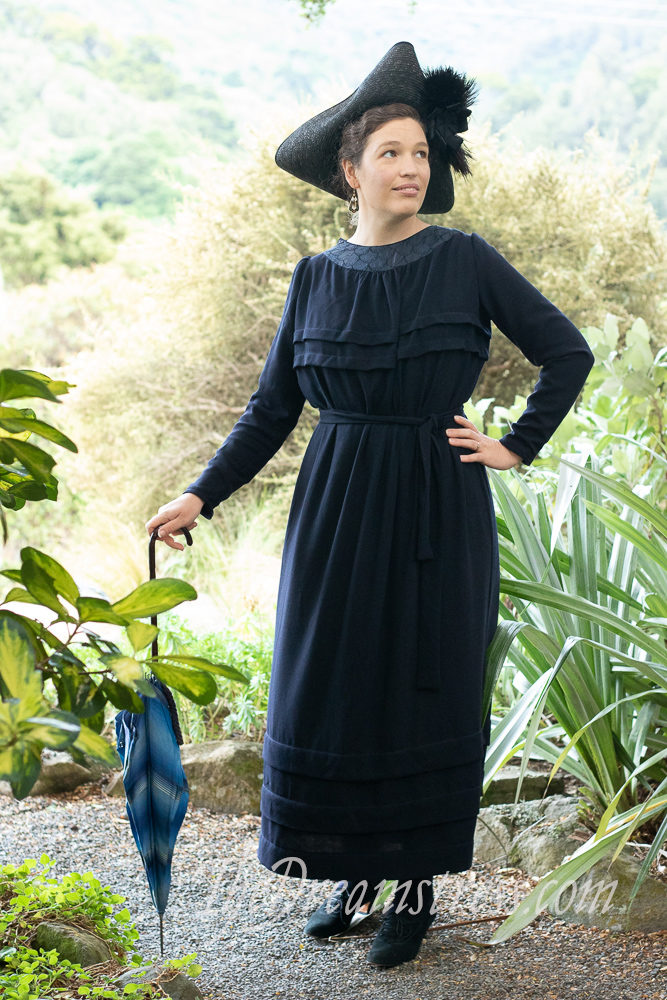
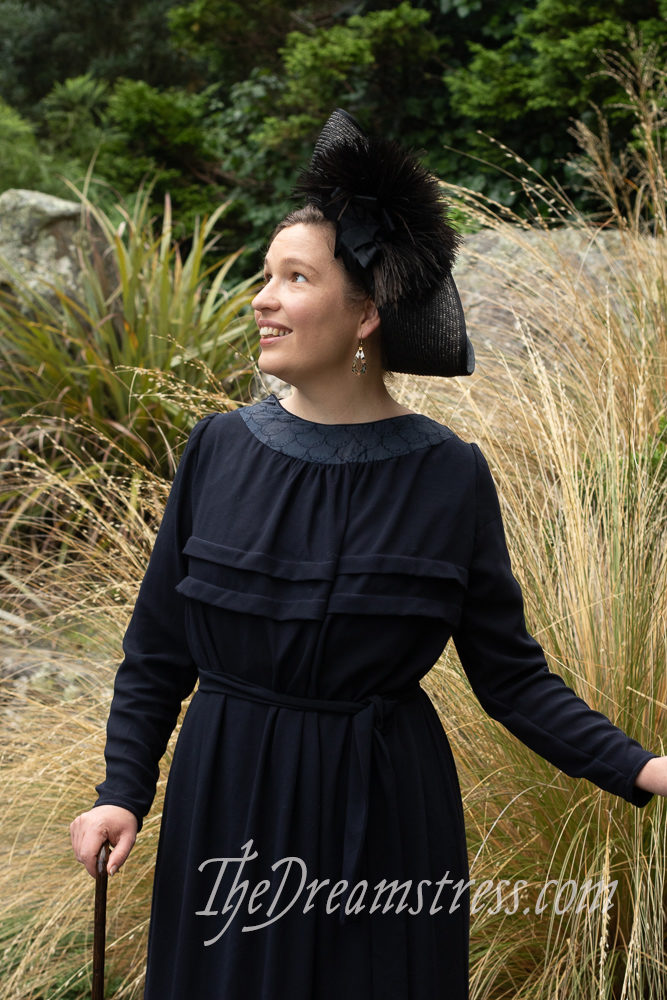
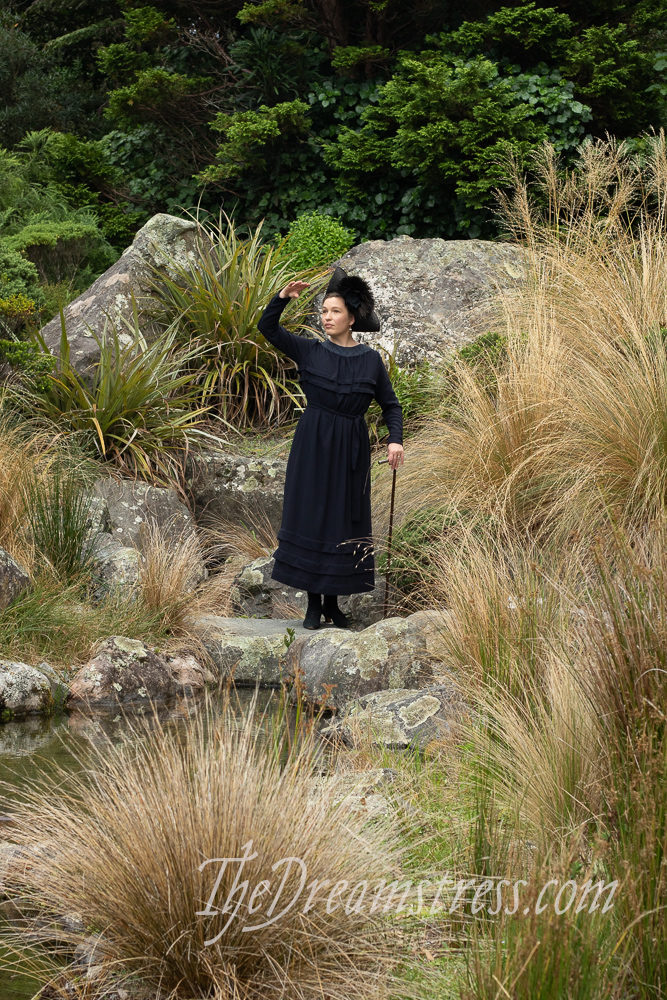
A dress made from a 1919 pattern, thedreamstress.com

A 1918-1919 Day Dress: or ‘The Dreamstress Makes Yet Another Blue Dress’

Colour-wise, I may be most famous for my love of yellow, but if you actually look at my sewing, blue is by far the most common colour in my historical and modern sewing wardrobe (unless you count historical undergarments, in which case white is winning!).

One of my historical wardrobe sewing goals is to make more things that are not in blue, white, & black. I’ve got the most stunning persimmon orange silk taffeta calling my name, and a deep purple, and a vivid golden yellow PHd, and I’d really, really like to find an excuse to make something green, because it’s a colour I adore, and yet somehow I never end up sewing with it!

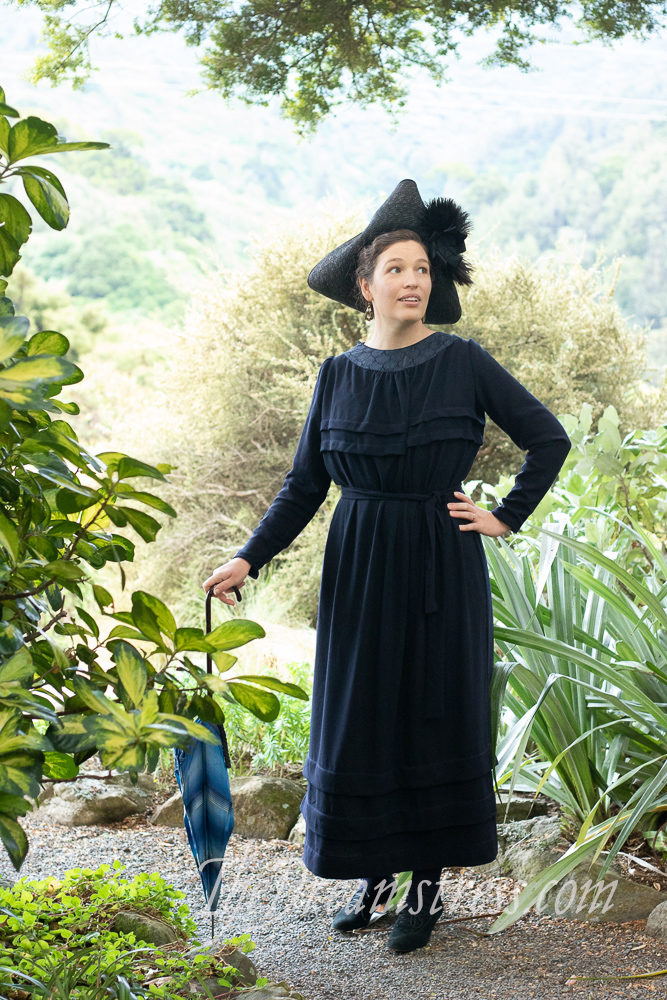
So far I am totally failing at diversifying my colour palette, because my first make of 2019 is…darkest blue, so dark it reads black in photos. (faceplosh)

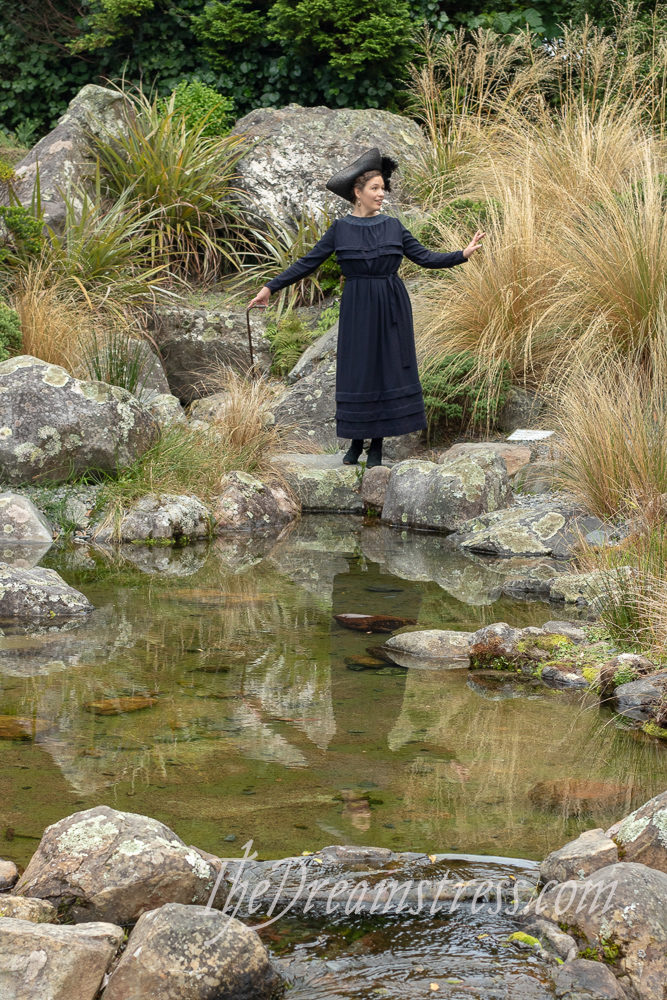
A dress made from a 1919 pattern thedreamstress.com

In my semi-defence, this dress was intended as a wearable toile, because I really wasn’t sure the pattern would work, and I was specifically looking for a fabric in my stash that I didn’t love – and that I had a LOT of.

A dress made from an original 1919 pattern thedreamstress.com

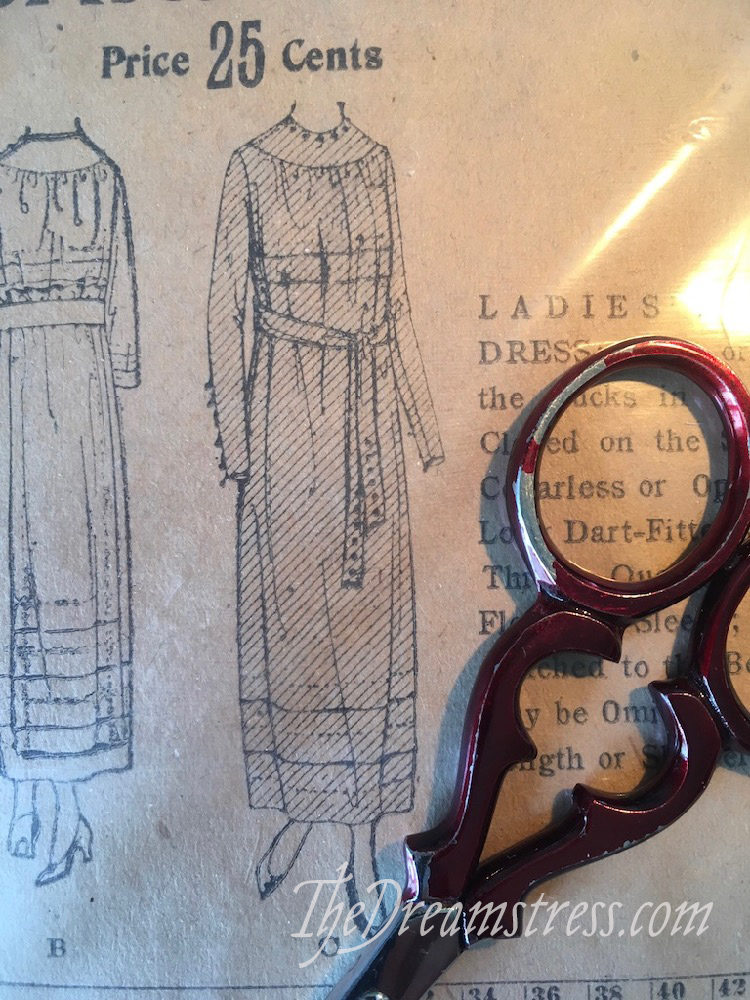
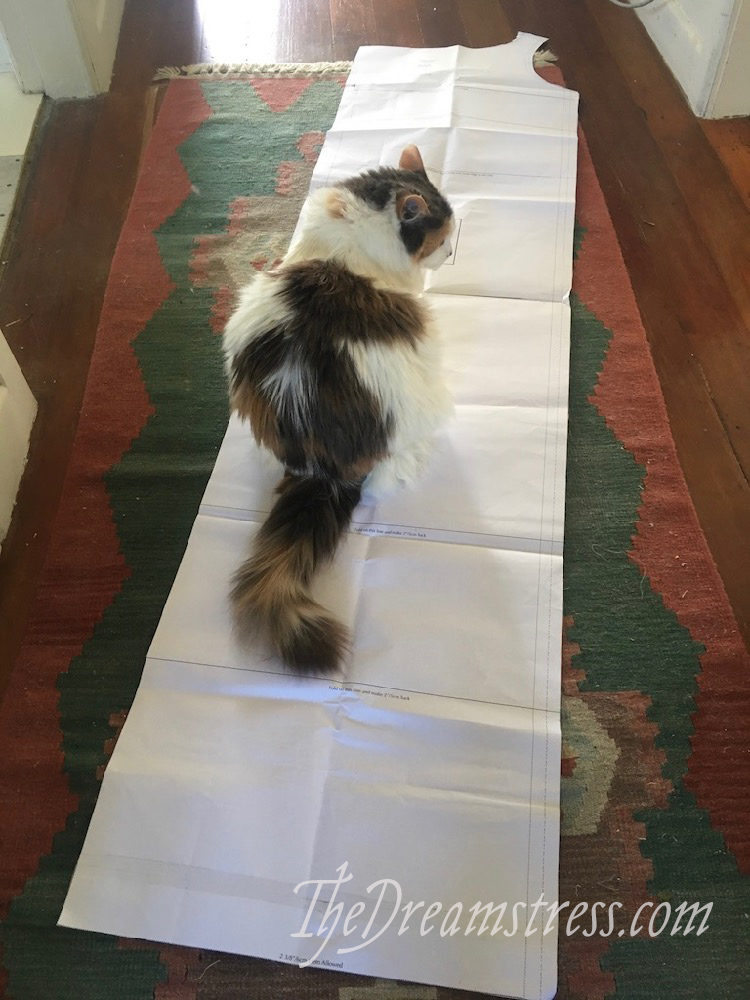
The pattern may look slim, but it’s a massive fabric hog: far wider than the line drawing, with huge tucks and a huge hem, and really interestingly constructed sleeves that take a LOT of fabric.

This is one half of a front or back piece:

A dress made from an original 1919 pattern thedreamstress.com

Note: Felicity is a very long cat!

So, knowing I needed a ton of fabric, I chose a very lightweight darkest blue wool twill that I found for a steal at an op-shop – though not quite as much of a steal as I’d thought, when it turned out to be full of moth holes.

A dress made from a 1919 pattern thedreamstress.com

By careful cutting, and a bit of pattern fudging (my dress is not quite as full as the pattern, because one front or back wouldn’t fit on a folded width of fabric) I managed to avoid all the moth holes, and get the dress out.

A dress made from a 1919 pattern thedreamstress.com

When I first got the dress to a wearable stage, I put it on and thought: “Oh My. If I ever get invited to a fancy dress event with the theme ‘Amish Toga Party’ I’m all set, but otherwise…”

So I didn’t finish the dress in time for the Victorian Picnic at the Botanical Gardens, because well, it wasn’t an Amish Toga Party…

But with Theresa coming to visit, I decided I’d finish the dress, and if it looked terrible, well, at least we would have had fun, because we always do!

A dress made from a 1919 pattern thedreamstress.com

I made a hat to go with the dress, but didn’t quite get it finished – and when I tried on the unfinished hat, and compared it to my Tricorne Revival hat, Theresa and I both agreed the Tricorne Revival was the one to wear.

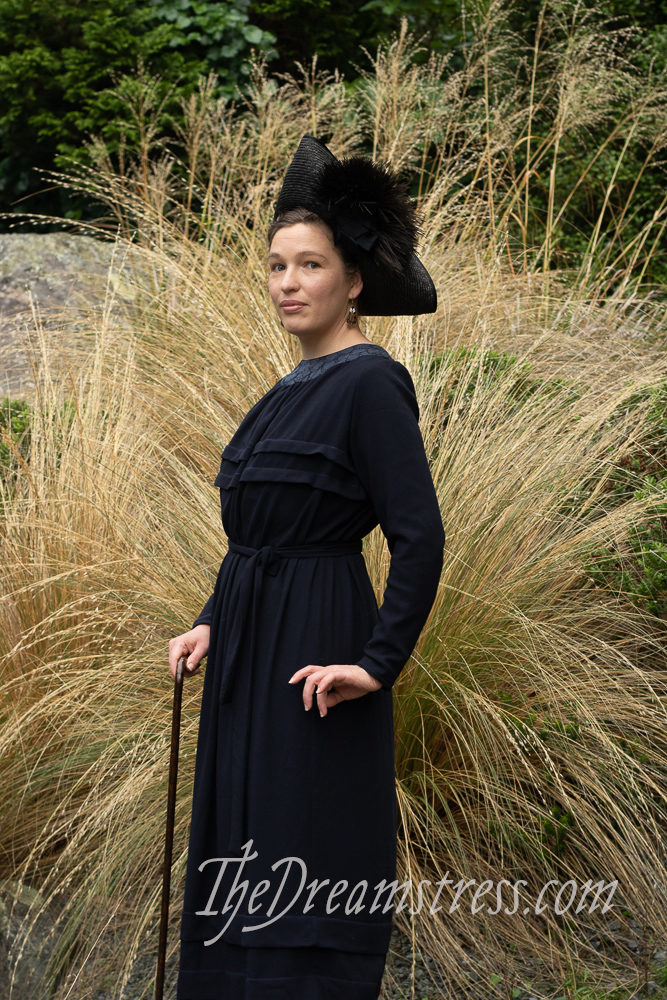
I’m now absolutely in love with this dress. It’s really comfortable, it’s super fun to wear, and I adore how I look in it, and that it goes so beautifully with my hat.

One of my favourite things about it is the silhouette it gives me. It’s really helping me achieve that ideal mid-late 1910s look. Slim-hipped (but not so much so as in the early 1910s) with a full, low-bust.

A dress made from a 1919 pattern thedreamstress.com

The bust pleats are so awkwardly placed to the modern eye, but they visually lower the bust, creating that oh-so-fashionable droop.

Harrod’s La Vida Corset advertisement, 1918

Despite the easy, loose style, the proper underpinnings is still really important. I’m wearing this over a Rilla Corset, and the dress does NOT look good without a corset underneath.

I’ve also got a petticoat, and a Wearing History corset cover, for a bit of added bust fullness.

All in all, a dress success!

A dress made from a 1919 pattern thedreamstress.com

So, now the big question is: would you like this to be a Scroop Pattern?

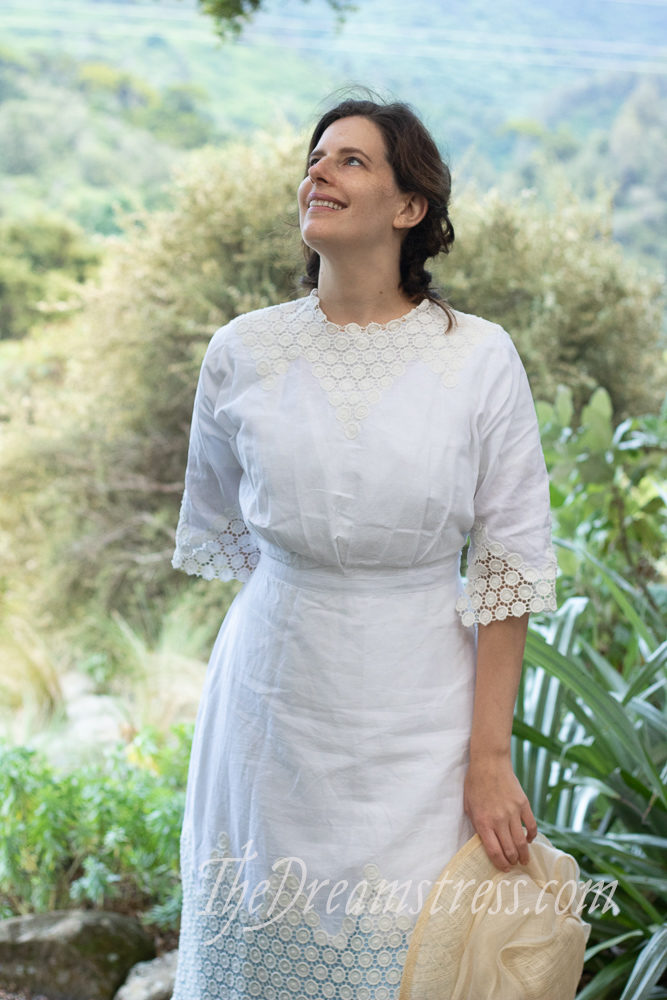
The 1910 Little Miss Muffet at the Village Fete Dress thedreamstress.com

Magic in them thar hills: an Edwardian photoshoot at Otari Wilton’s Bush

Remember my yellow 1920s dress, and how I said it was magic?

Now I think maybe the magic is in Otari Wilton’s Bush instead.

I’ve never done a photoshoot at Otari Wilton’s that hasn’t looked beautiful: there is something about the trees and the angle of the light that is just perfection.

Case in point:

Theresa was in town last weekend, and, as we do, we had a dress-up photoshoot.

I picked Otari Wilton’s Bush as our location, because Theresa had never been there.

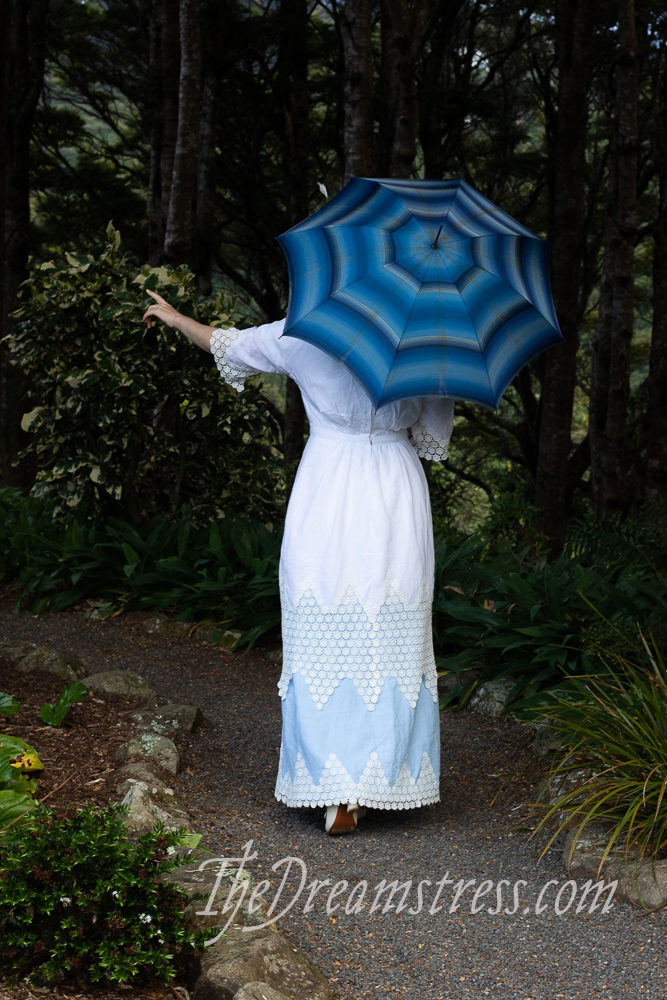
Theresa wore the 1910 Miss Muffet at the Village Fete dress, and I wore a brand-new just-finished dress from an original 1919 pattern, and my tricorne revival hat.

I actually made the dress as a wearable toile, because I wasn’t sure about the pattern.

And…

We love it all.

Out of 760 photos, at least 500 of them are good enough that I’d be proud to show you!

(which is actually a problem, because I’m pretty sure you don’t want to see 500 photos!)

So here is a quick look at a few, and I’ll post more in individual blog posts: especially ones about the 1919 dress construction.

A dress made from a 1919 pattern thedreamstress.com
The 1910 Little Miss Muffet at the Village Fete Dress thedreamstress.com
A dress made from a 1919 pattern thedreamstress.com
The 1910 Little Miss Muffet at the Village Fete Dress thedreamstress.com
A dress made from a 1919 pattern thedreamstress.com