Latest Posts

Coal Country, New Zealand

New Zealand has a reputation around the world for being ‘Clean & Green’, and their marketing slogan is ‘100% Pure New Zealand’, so many people, including some Kiwis, don’t realise that New Zealand has active coal mining, and that coal mining played a significant part in New Zealand’s development and history.

The biggest coal mining area in New Zealand is the West Coast of the South Island.  I travelled down the West Coast at the end of my first 6-month visit to the country, over a decade ago, but somehow I completely overlooked the coal mining.

I’m not sure how I managed to do that, we drove through Westport, which features a life-sized coal statue of a coal miner, and a museum called the ‘Coaltown Museum’, and past the Stockton open-cast mine, with big piles of coal.
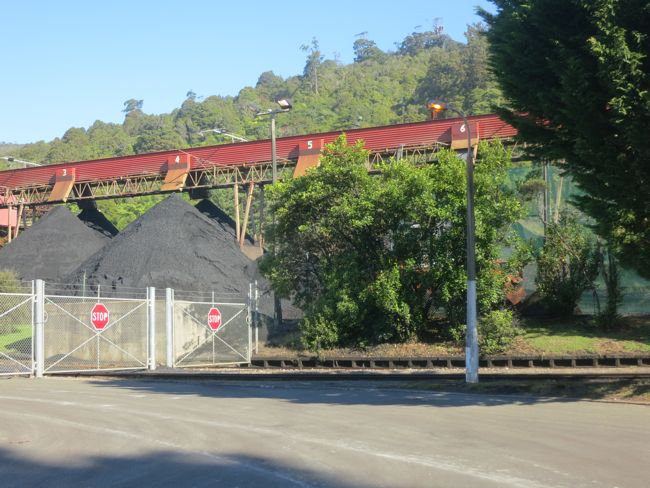
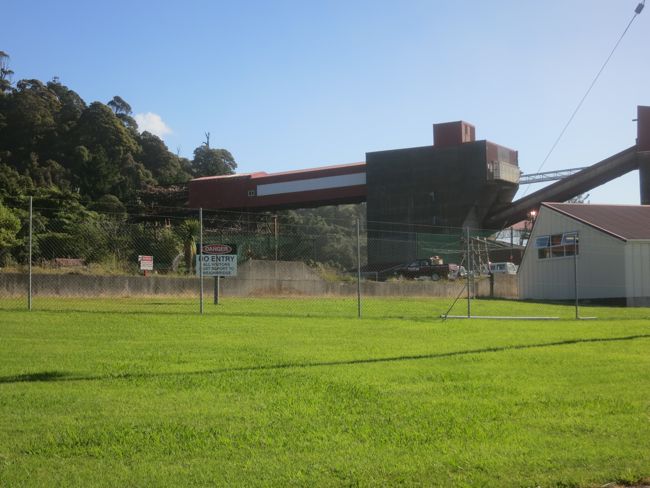
Coal mining near Granity, New ZealandPiles of coal at the Stockton mine, Ngakawau, West Coast
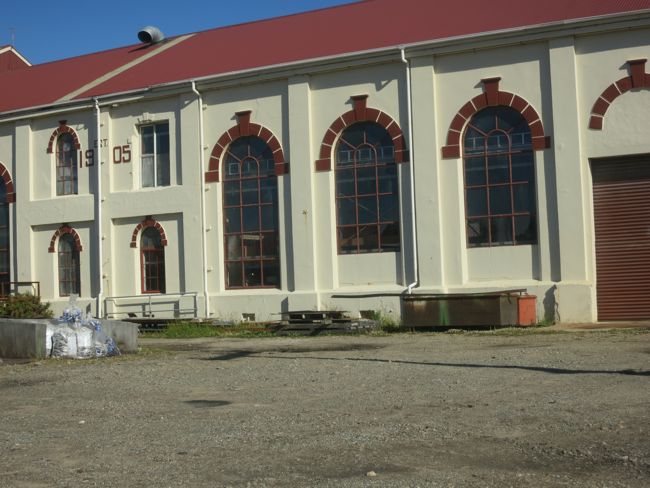
Coal mining Ngakawau, New ZealandThe mine buildings, at Ngakawau

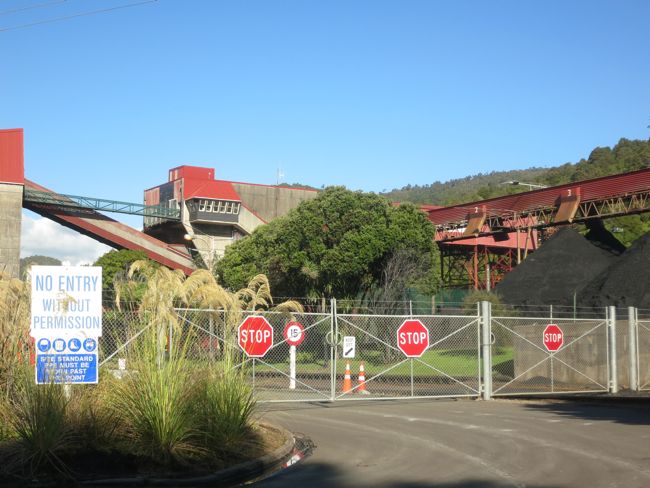
Coal mining Ngakawau, New ZealandThe coal transport system, Ngakawau

Coal mining Ngakawau, New ZealandSecurity and coal, Ngakawau

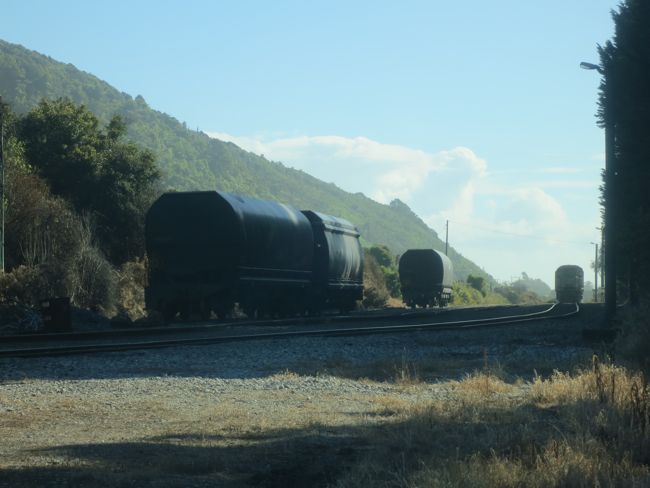
Coal mining Ngakawau, New ZealandTrains carrying the coal away, Ngakawau

As it is in most places, coal mining in New Zealand is a contentious issue, with a checkered history.  On the one hand, it brings work and much needed money to remote and otherwise impoverished areas of the country.  This money comes at an environmental cost though, and sometimes a human cost: there have been numerous mining accidents in New Zealand, the latest of which, in 2010, caused 29 deaths.

Historically accidents and deaths were even more common.  At the same time, coal mining brought thousands of migrants to New Zealand, build a dozen communities, and inspired some of New Zealand’s greatest feats of engineering and ingenuity, like the Denniston Incline (now there is a Wikipedia entry that shows the massive problem with ‘anyone can add to it’ encyclopedias).

It also brought great wealth to the regions with coal.  Westport (which Lonely Planet dismisses as a ‘drive through town’, much inferior to the (very slightly) bigger Greymouth, which was exactly the opposite of our experience (Westport is prettier, easier to navigate in, easier to park in, and has a better supermarket)) is full of gorgeous, grand civic buildings and art deco storefronts, testament to the early money in the area.
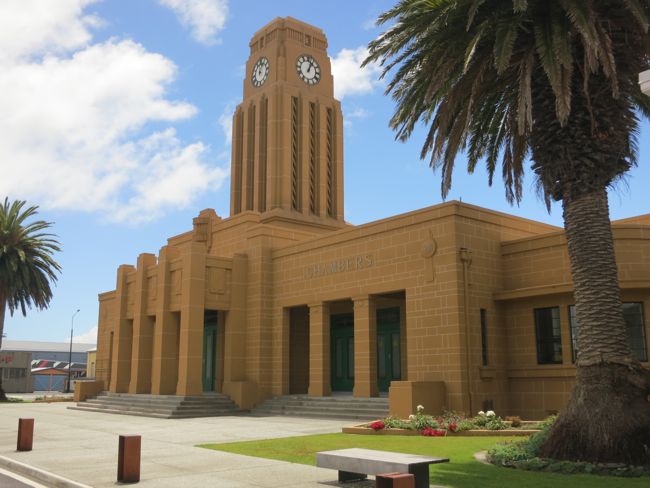
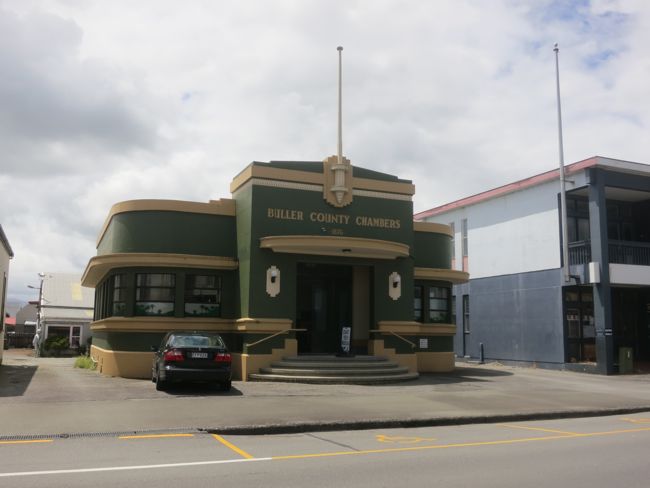
Government buildings, Westport, New Zealand  Buller District buildings, Westport, New Zealand

Westport Library, New Zealand

All of the grand history in coal country is just history though: long since gone.  There is still money in coal in New Zealand, and it provides a reasonable, if occasionally dangerous, livelihood to people in the region, but there is little money left for grand civic buildings, and there aren’t nearly as many people left as there were in coal’s heyday.

The upper West Coast is dotted with ghost towns.  Every 5 kilometre stretch of the road has a different town name, but at most of them there isn’t a single pub or store left to mark the town.  Denniston has dwindled from 2,000 residents to less than 50, at a time when much of the rest of New Zealand’s population has grown.

The countryside is also littered with remnants of the industry that once flourished there.  We found rusting coal buckets on the beach:
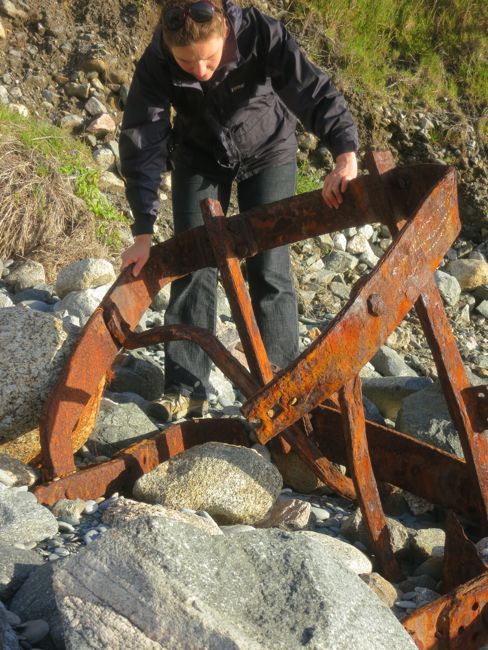
Abandoned coal bucket on the beach, West Coast New Zealand

And remnants of old trains for carrying lumber and coal in the bush:
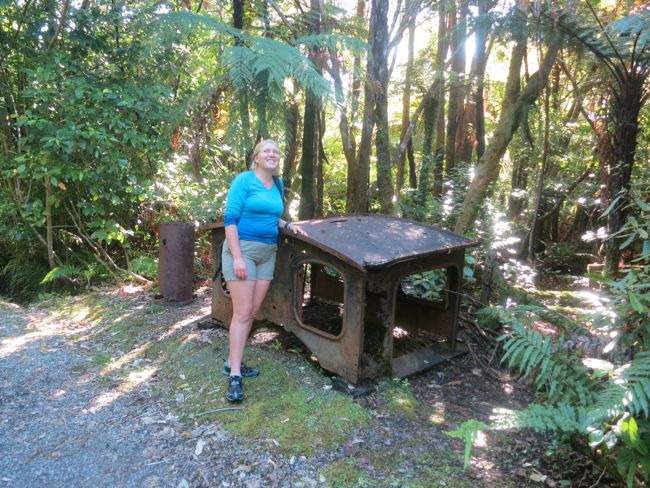
Remnants of old trains, West Coast, New Zealand

The whole area is stunningly gorgeous, but lonely.

The houses, in the shadows of the steep, bush covered hills, wrap their pastel paint around themselves to ward off the mist and the shadows.
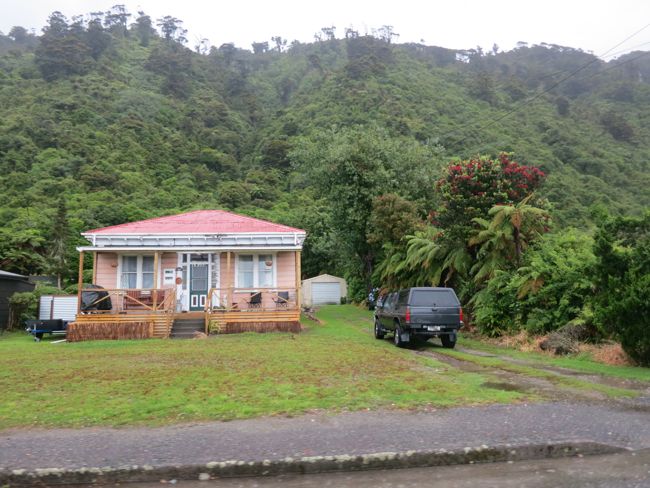
House, West Coast, New Zealand

In many places there are no houses left: just space and hills.
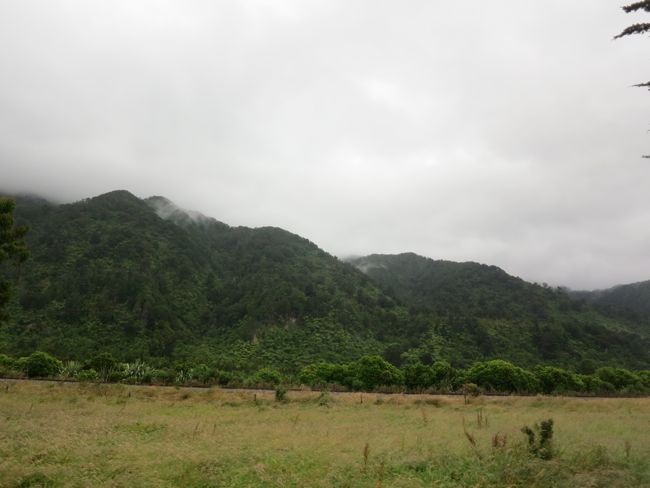
West Coast, New Zealand

When I came back from my road trip I told a friend where I’d been, and she shivered and said “That area used to freak me out as a child”.

I can see why.  It does feel haunted.  Not with actual ghosts, but with the memories of all those people who lived there, and are there no more.  It’s haunted in the way places with more past than future are: with memories that get older every day.

It actually reminded me, more than anywhere else I have ever been, of Kalaupapa.
A ‘life fell on me’ post

I have so much to blog about, so many elaborate posts half started, and SO MUCH TO DO.

Life has pretty much fallen on me, and it’s big, and heavy, and all you can see of me are little dreamstress hands and feet sticking out from under it, scrabbling wildly at the ground.  You know how that feels?

So the solution to that is cute Felicity-ness:

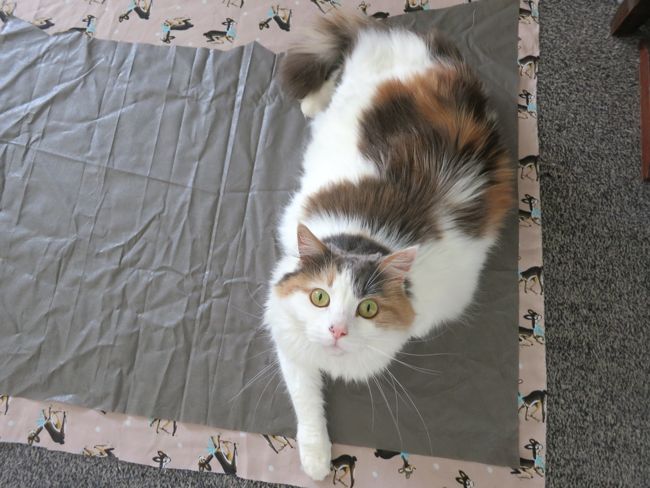
Felicity the cat thedreamstress.com


She’s not helping me get stuff done.  She thinks that my slippery, wibbly, tricksy, every so carefully layed-out and placed chiffon is the perfect place to lie, and why am I glaring at her like that anyway?

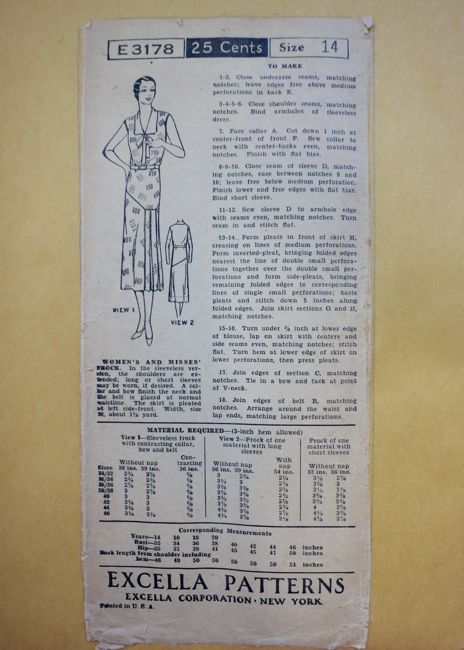
The rather evil bambi fabric is  being turned into this, for the HSF pink challenge:

E3178 E3178 late 1920s dress

Excella E3178 late 1920s dress

It’s currently driving me crazy because it is so slippery, and it is almost, but not quite, reversible, so you have to keep careful track of fronts and backs as you work with it, and the pattern is asymmetrical, so everything has to be cut out unfolded.

So that’s my life (wiggles hand goodbye from under it).

Terminology: What is cire?

Cire is a highly glazed wax finish applied to fabric through a process of heat and pressure, known as calendering (remember calamanco?) which is  giving a wet or polished look.  The name can also refer to the fabric or garment with the resultant finish.  The process tends to produce a stiffer, crisper fabric per weight.  It is sometimes, particularly in interior decorating, called a French wax finish.

The term dates to the 1910s, when high fashion garments played with contrasts in fabric and textures, and the shiny, wet look of cire lent an edgy modern twist to combinations of chiffons and brocades and satin.

Dinner dress, House of Drecoll, 1914—16, French, cire silk satin, silk chiffon, fur, Metropolitan Museum of Art, 2009.300.3317

Dinner dress, House of Drecoll, 1914—16, French, cire silk satin, silk chiffon, fur, Metropolitan Museum of Art, 2009.300.3317

Cire literally means waxed, so the first references to it are to waxed flowers.  This Worth evening coat features “a collar of  ruched velvet, tied with two ribbons held by a roundels of satin and wax flowers”.

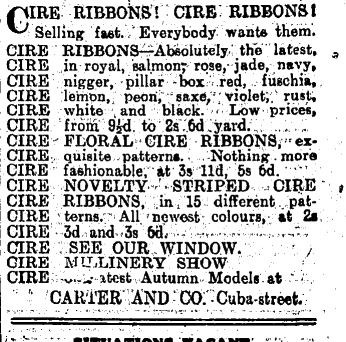
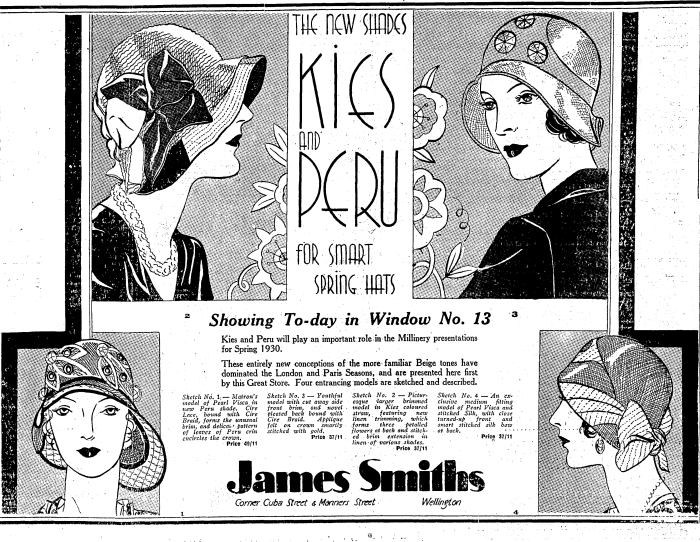
Cire treated fabrics were popular throughout the 20s, particularly as cire ribbons.

Cire ribbons, Evening Post, 31 January 1922

Cire ribbons, Evening Post, 31 January 1922

Auckland Star, 28 October 1930

Auckland Star, 28 October 1930, the hat in the upper right corner (model 3) features cire lace

Cire reached its zenith in the 30s, when frocks in cire taffeta, cire satin, and even cire lace (ah, a time when shiny lace was a virtue!).

A bias-cut black cire satin evening gown, early 1930s, adorned with two large floral rosettes with gold lame centres embroidered roundels to skirt, and attached belt.  Augusta Auctions?

A bias-cut black cire satin evening gown, early 1930s, adorned with two large floral rosettes with gold lame centres embroidered roundels to skirt, and attached belt. Augusta Auctions?

A bias-cut black cire satin evening gown, early 1930s, adorned with two large floral rosettes with gold lame centres embroidered roundels to skirt, and attached belt.  Augusta

A bias-cut black cire satin evening gown, early 1930s, adorned with two large floral rosettes with gold lame centres embroidered roundels to skirt, and attached belt. Augusta

One of the problems I’ve encountered in researching cire is that few museums note if a fabric has a cire finish or not, so one has to search to identify garments in cire, like this Lanvin extravagance of cire satin:

Cyclone, House of Lanvin  (French, founded 1889) Designer- Jeanne Lanvin, 1939, French, silk, spangles, Metropolitan Museum of Art, C.I.46.4.18

Cyclone, House of Lanvin (French, founded 1889) Designer- Jeanne Lanvin, 1939, French, silk, spangles, Metropolitan Museum of Art, C.I.46.4.18

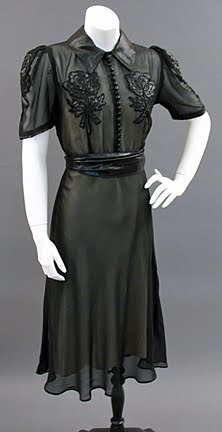
Cire’s were popular throughout the 1930s, but like many fashions, they fell out of favour or became hard to source during WWII due to wartime restrictions.

c. 1939 Black silk chiffon dress with cire satin collar and rose appliques on the bodice and sleeves, via Past Perfect Vintage

c. 1939 Black silk chiffon dress with cire satin collar and rose appliques on the bodice and sleeves, via Past Perfect Vintage


The original cire fabric were created with a wax finish, but with the introduction of synthetic fabrics after World War II themoplastic fabrics such as nylon and polyester were cired without wax, using only heat and pressure.

Despite the ease of treating synthetic fabrics with a shiny, polished finish, the fell out of favour, though cire cottons returned to fashion in the 1950s, 60s & 70s, often called simply ‘polished cotton.’  It’s still possible to buy cire fabric today, though it may be called by a variety of names.

Sources:

Maitra, K. Encyclopaedic Dictionary of Clothing and Textiles.  New Delhi: Mittal Publications.  2007

O’Hara, Georgina.  The Encyclopedia of Fashion: From 1840 to the 1980s.  London: Thames and Hudson Ltd.  1986

Shaeffer, Claire.  Claire Shaeffer’s Fabric Sewing Guide.  Iola, Wisconsin: Krause Publications.  2008

Cire:  Merriam-Webster Online