A Note: this post is a refresh and an update of a post that was originally written in 2010
In response to my post on the history of muslin, the Baroness von Vintage has asked what the difference between voile, lawn and muslin is.
The problem with defining fabrics is that fabrics are an art, not a science. You can clearly define the chemical makeup on anything, but strictly breaking all art into particular periods or definitions? Not as easy. Especially since definitions have varied throughout history, and vary across countries today. I’ll try though.
All three are lightweight fabrics, with some element of sheerness. Today they are usually made of cotton, but you also fine them in linen.
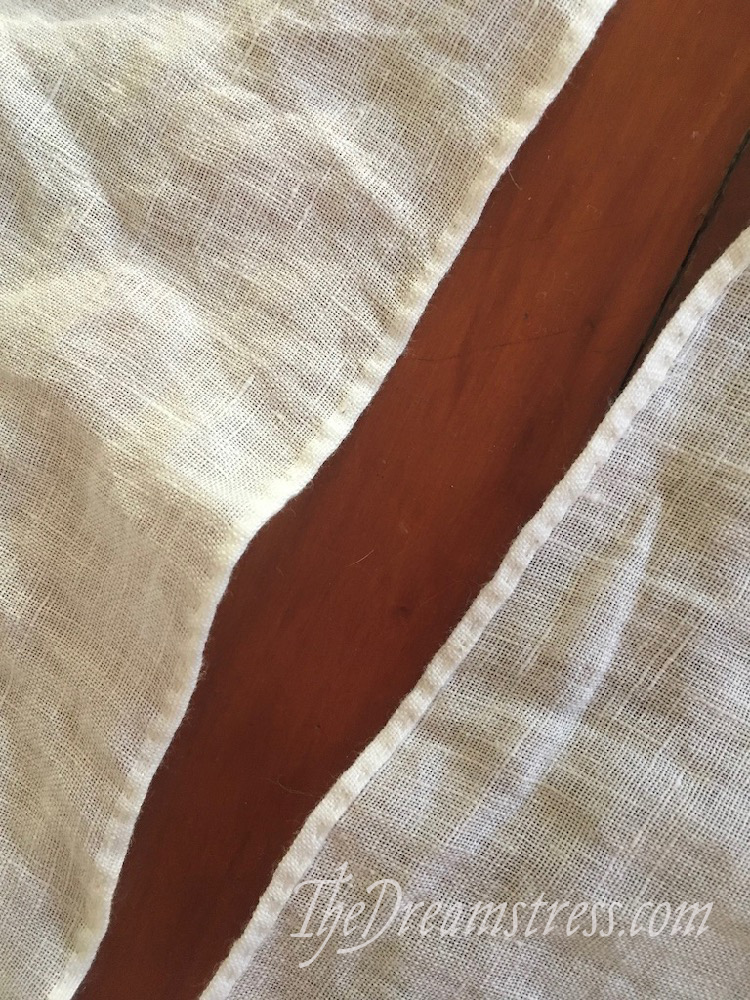
Basically, if it has an open weave, it is muslin (except in the US, where muslin is a cheap, plain fabric, and muslin gauze is an open weave). This weave is also called mull or book muslin. It’s just a little tighter and smoother than cheesecloth.
If it is very tightly woven with fine, glossy threads and no surface texture, it is lawn.
If it has a very soft drapey hand, with some surface texture and a weave that is neither particularly fine or loose it is voile.
Tomorrow I’ll give you the long (complicated) explanation of the differences between the three.
Some examples of muslin/muslin gauze:
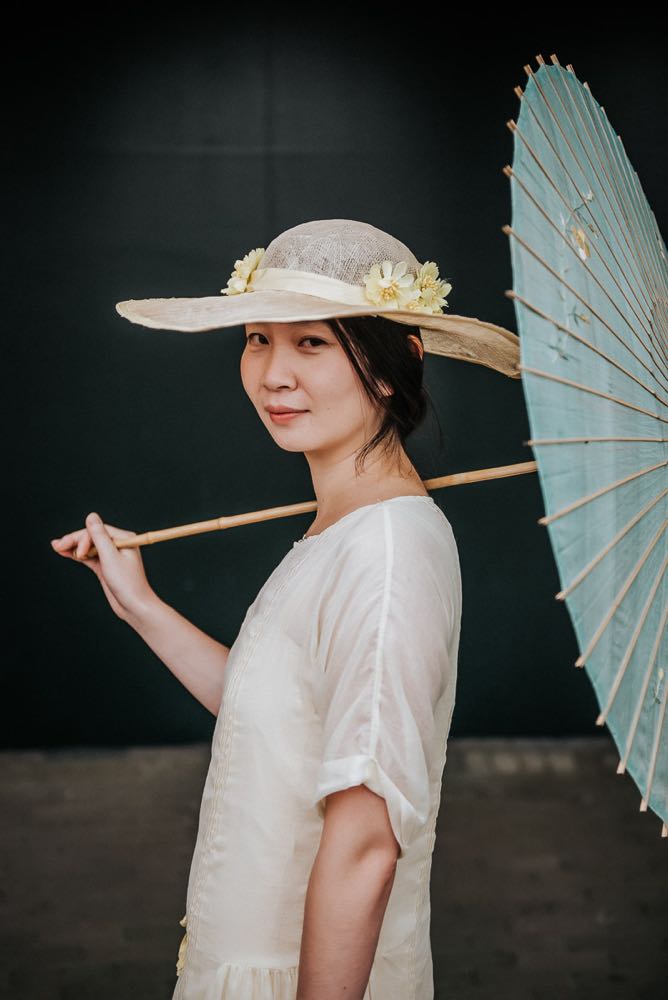
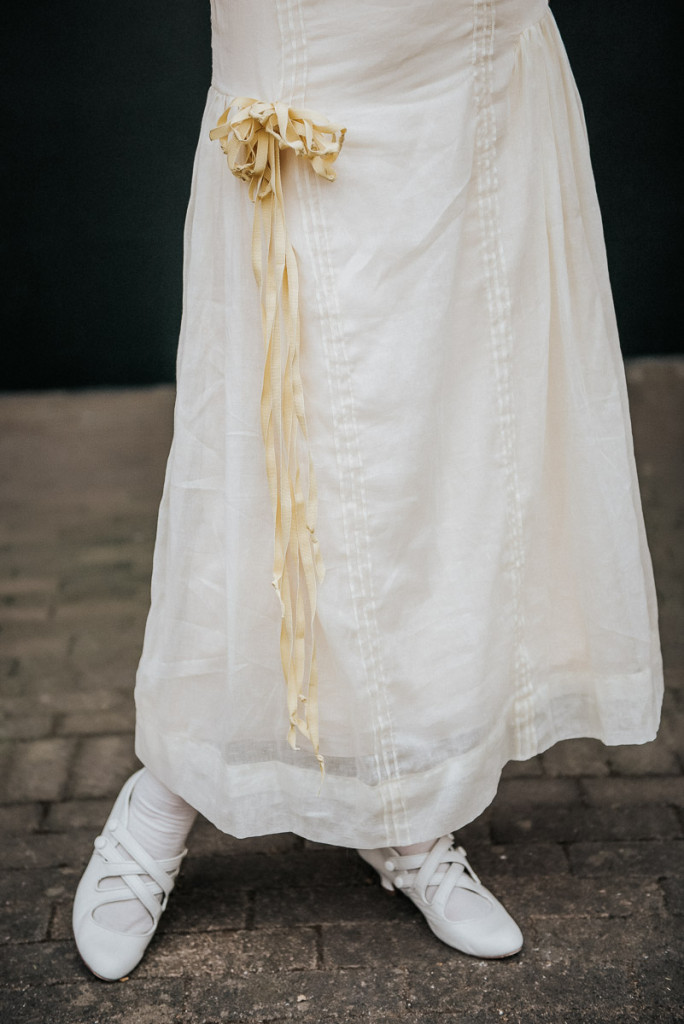
A fairly tightly woven 1920s era muslin/muslin gauze fabricThe sheer sleeves of a reproduction 1920s frock made from muslin, Courtesy of Tony McKay Photography and Glory Days MagazineThe skirt of the same frock, image Courtesy of Tony McKay Photography and Glory Days Magazine
This 1790s ensemble is made from what we would now call muslin: it was probably called mull at the time.
Ensemble, ca. 1798, probably, European, cotton, silk, Metropolitan Museum of Art 1992.119.1a—cA wimple in linen muslin
Some of the comments on this post (now deleted) were so out of hand I’m putting an extra warning up here.
Your rating can be very poor numerically, but your comment still has to be kind.
If your comment ventures into body-shaming or slut-shaming it will be deleted. If it’s marginal it will be edited to comply with basic standards of taste and kindness. If you think that being super negative and coming up with insulting analogies makes you clever 1) you’re wrong, it makes me think exactly the opposite (default negativity is lazy and based on the mistaken belief that disliking things makes you look smart – a position only held by not very smart people) and 2) I’ll delete your comment.
The goal of Rate the Dress is to spread historical knowledge and to give us all a chance to look at the details of garments, and to think about why they were used, and were considered fashionable and attractive, in an entertaining way. To those who contribute to this goal: hooray! Thank you for being awesome ❤️❤️❤️
And back to our usual programming…
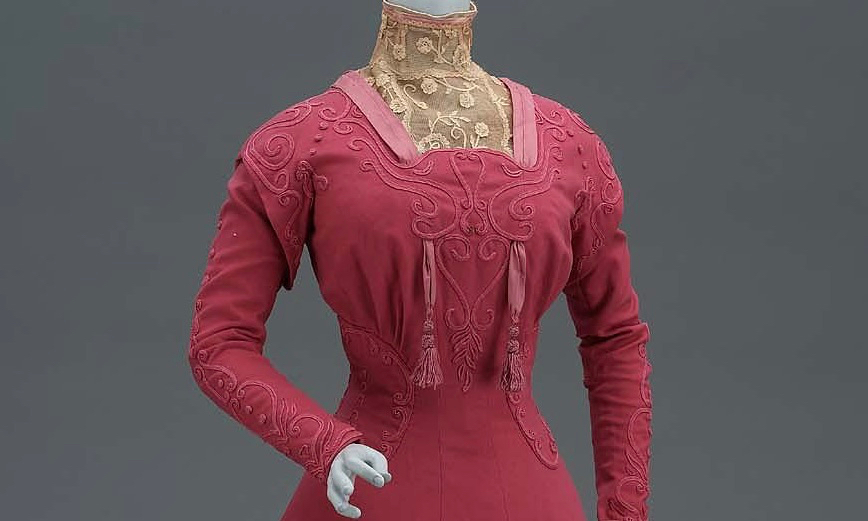
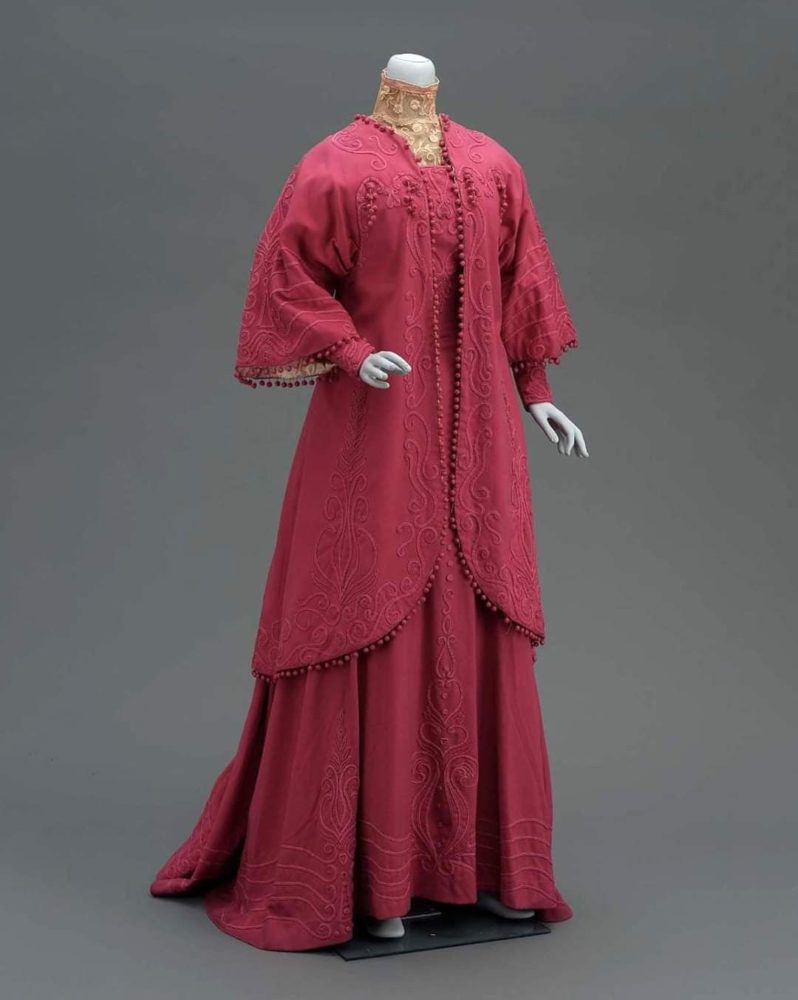
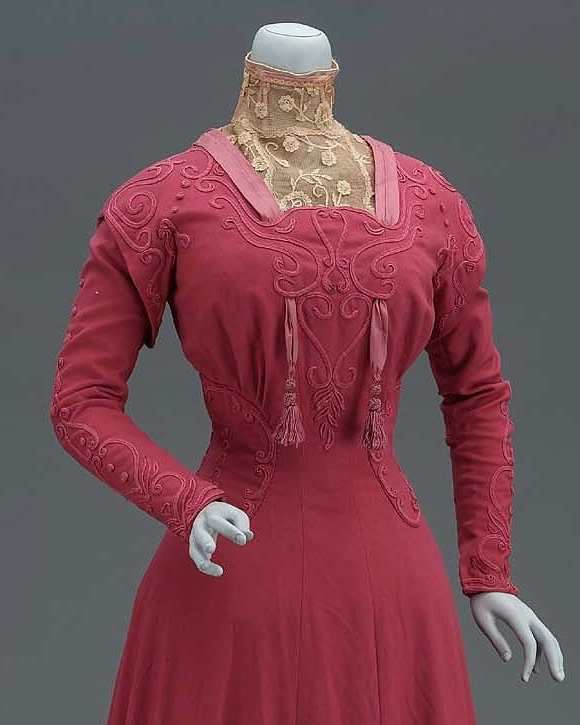
This week’s Rate the Dress is a late Edwardian day ensemble that combines the short oversleeves of last week’s 1840s dress, with a variation on the [extremely unpopular] tromp l’oeil fichu effect of the week before, all in a fashionable shape of deep rose pink.
Last week’s 1840s dress was either very popular on almost all counts, or not popular, because you didn’t like the drab colour. Pale muted shades were just so popular in the 1840s.
The Total: 8.7 out of 10
A serious improvement on the last few weeks.
This week: a 1906 day ensemble in deep pink
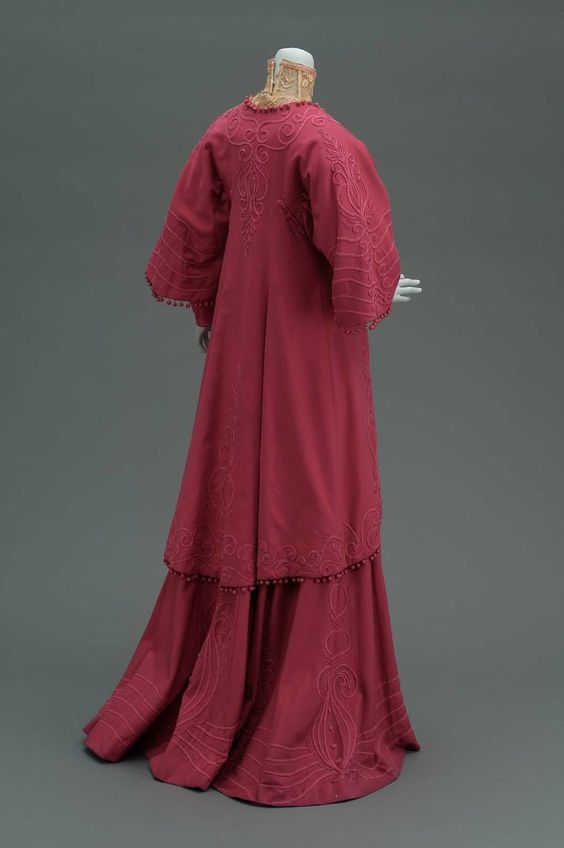
This week’s pick is a day ensemble featuring the simple, slim, fitted cut that became fashionable in about 1906.
This example uses a combination of princess seams and inset panels to wrap the figure at the waist, flare out into a swishing skirt at the hem, and release in gathers to provide fullness at the bust.
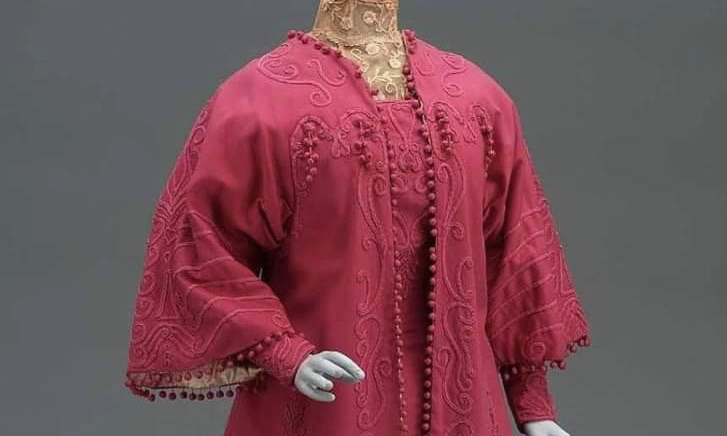
The cut of the jacket is simple, but fashionable, with cut on sleeves that reflect the Edwardian interest in Japonisme, and back seams that add extra flare to the jacket’s hem, and echo the swish of the skirt panels.
The bobbles that trim the neck and sleeves of the jacket are repeated on the front of the jacket, dangling like little clusters of berries from the upper bust.
Dangling trims on the bust were all the rage in 1906-9. The dress also features strips of silk terminating in tassels which wrap around the neckline, weave in and out of the front bodice, and hang from the bust. They repeat the weaving in and out at the back bodice, and join together above the back waist in one tassel.
A reminder about rating — feel free to be critical if you don’t like a thing, but make sure that your comments aren’t actually insulting to those who do like a garment. Phrase criticism as your opinion, rather than a flat fact. Our different tastes are what make Rate the Dress so interesting. It’s no fun when a comment implies that anyone who doesn’t agree with it, or who would wear a garment, is totally lacking in taste.
As usual, nothing more complicated than a .5. I also hugely appreciate it if you only do one rating, and set it on a line at the very end of your comment.
I made a thing! Right now my life is a sea of toiles for the next Scroop + Virgil’s pattern, and it seems like I will never get to sew anything that isn’t calico (that’s muslin for those in the US).
So it’s doubly exciting to have taken a little time to make something not-toile, and in such scrumptious fabric too.
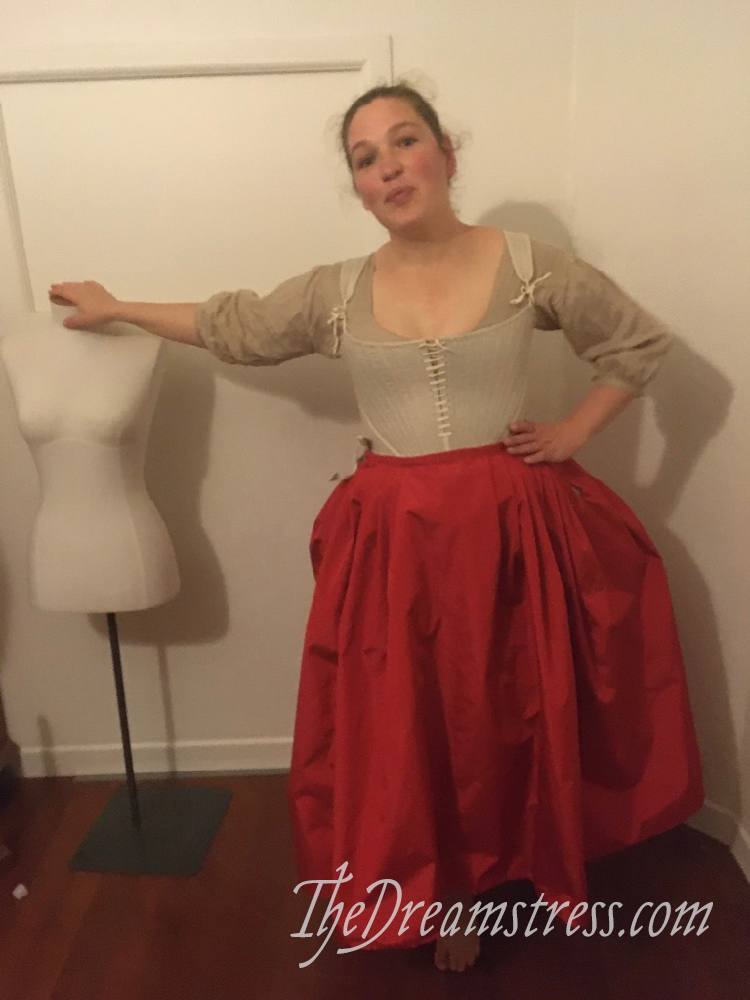
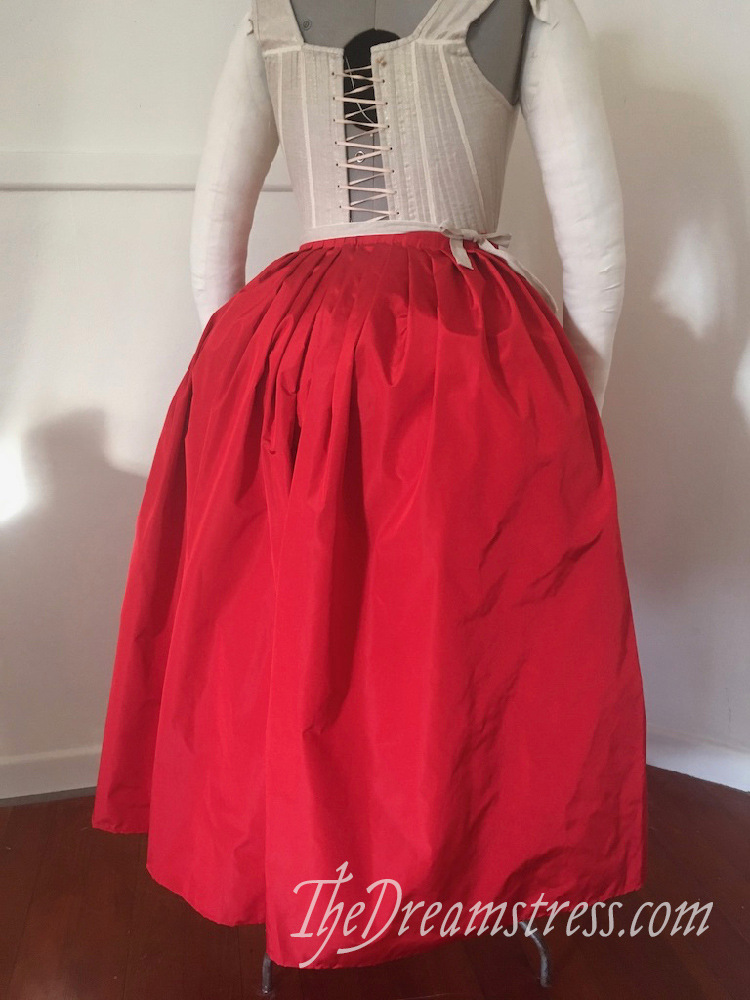
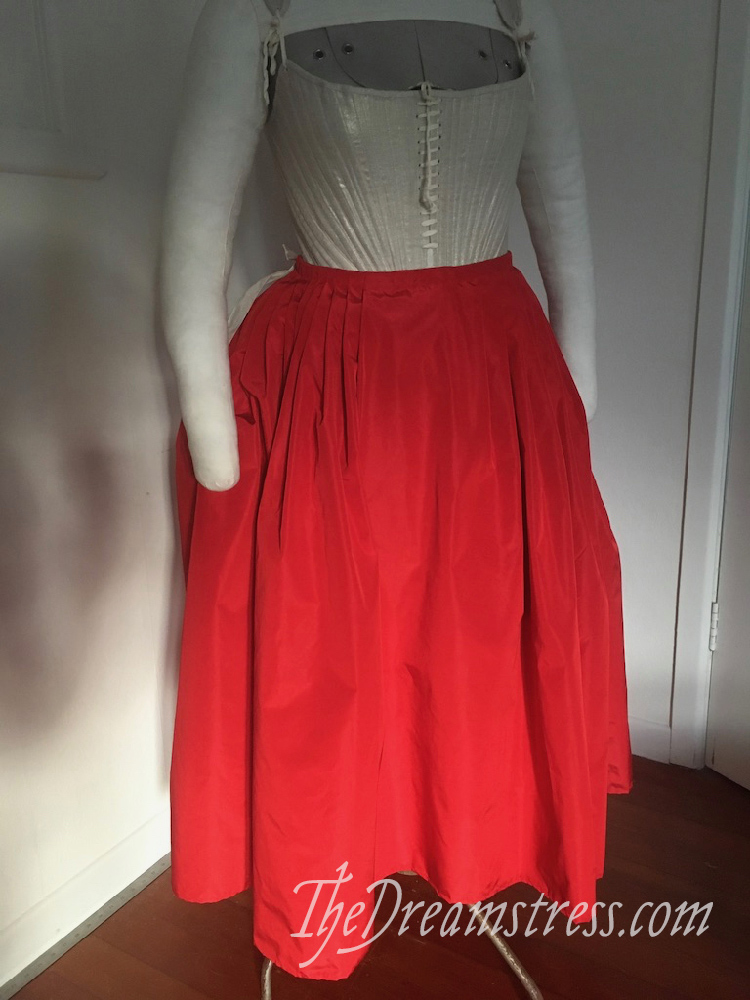
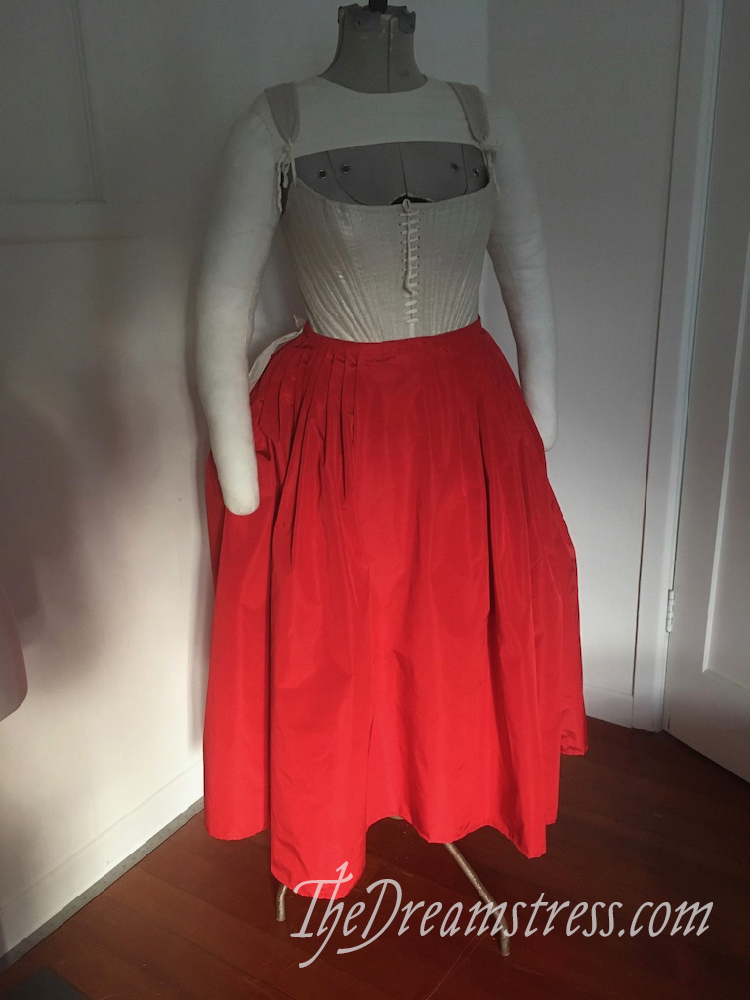
I have some 1780s sewing (to go over the Scroop & Virgil’s Augusta Stays of course!) planned for this year, and I looked at all my fabrics, and realised that what they all had in common was that they would look great with a red petticoat.
I had no suitable red in stash, but when I was shopping for fabrics for the Robin Dress samples I let myself linger in The Fabric Stores silk section (always a dangerous activity) and they had an amazing silk-cotton faille in bright red.
I wanted a dark red, but the fabric was so scrumptious, and such a perfect match to the weight and hand of one of the 18thc dresses I’ve been able to handle in person, that I couldn’t resist. And it was on sale…
I experimented with dyeing it a darker shade, but it changed the fabrics hand, so I decided bright red would do.
The petticoat wasn’t top of my to-do list, but just as I wrapped up the Robin Dress launch, and was feeling like I deserved a sewing treat, Burnley & Trowbridge launched their petticoat sew-along on YouTube. Kismet!
Now, confession time:
I don’t watch YouTube.
Not ever.
OK, not entirely true. I try. People rave about the YouTube costumers, and I’ve tried them. But even when I’ve met them and love them in person, I hate the YouTube format. I just turn into some horrible curmudgeon shouting “why did that take you 11 minutes to tell me! I could have read it in 37 seconds”, and “Oh my god, why are you being cutesy! You’re a professional adult” and “6 minutes of intro for 2 minutes of actual info!” and “Why do so many things pop up! Does every bit of information need an amusing arrow or caption to accompany it!?!” at the screen.
Videos just aren’t how I like to learn and relax. There’s so much noise in the world, and YouTube is just more noise which stresses my brain (I have exactly the same reaction to most podcasts).
So I keep reading blogs, because blogs make me happy and enthusiastic, and I like being a happy enthusiastic person, not the guy from Up at the start of the movie.
But, with the lockdown on, I guess I was getting so much silence that for once my brain had space to appreciate some extra talking. And I enjoyed the B&T series! (OK, I may have yelled at it for being cutesy at least once…). And it helped me to make what is definitely the prettiest petticoat I’ve ever constructed.
First I sewed the side seams. I happened to have exactly the right shade of red silk thread in stash. More kismet!
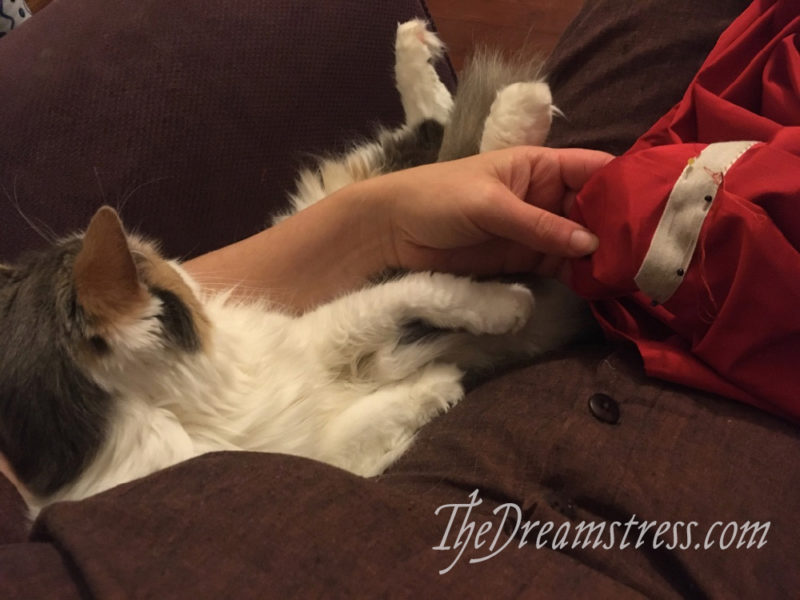
Then I hemmed. So much hemming…
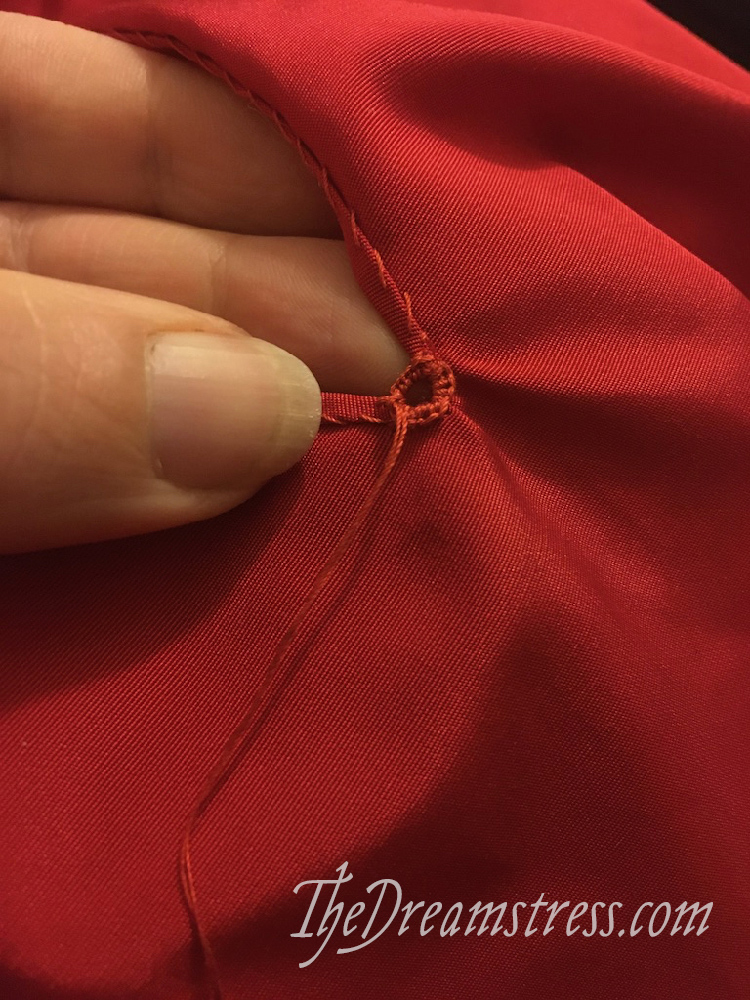
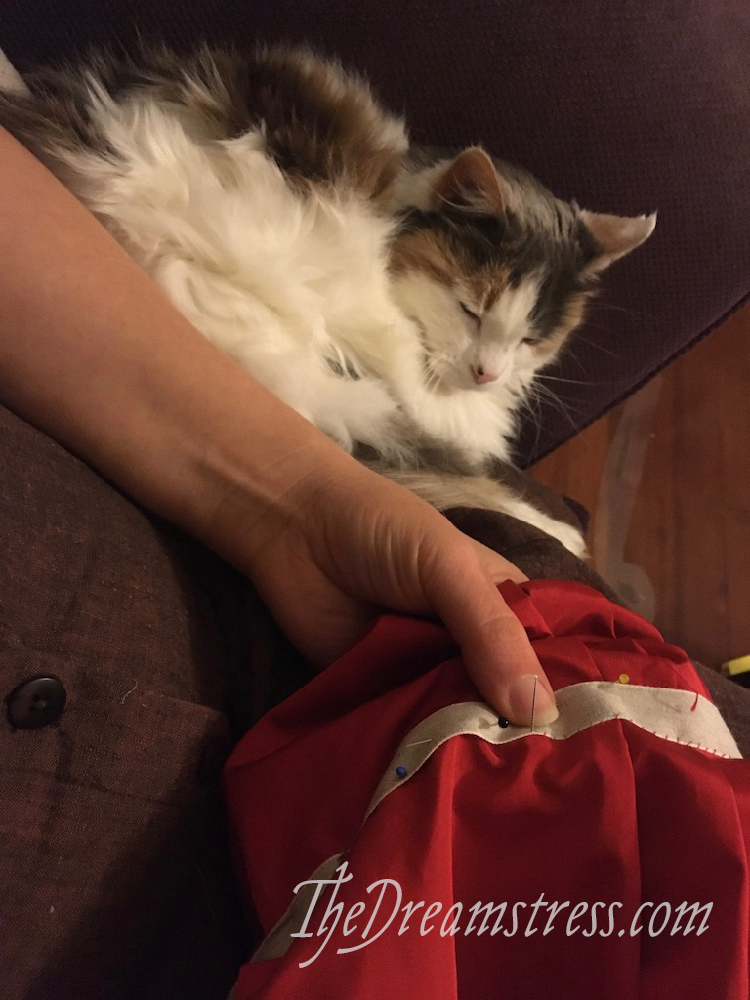
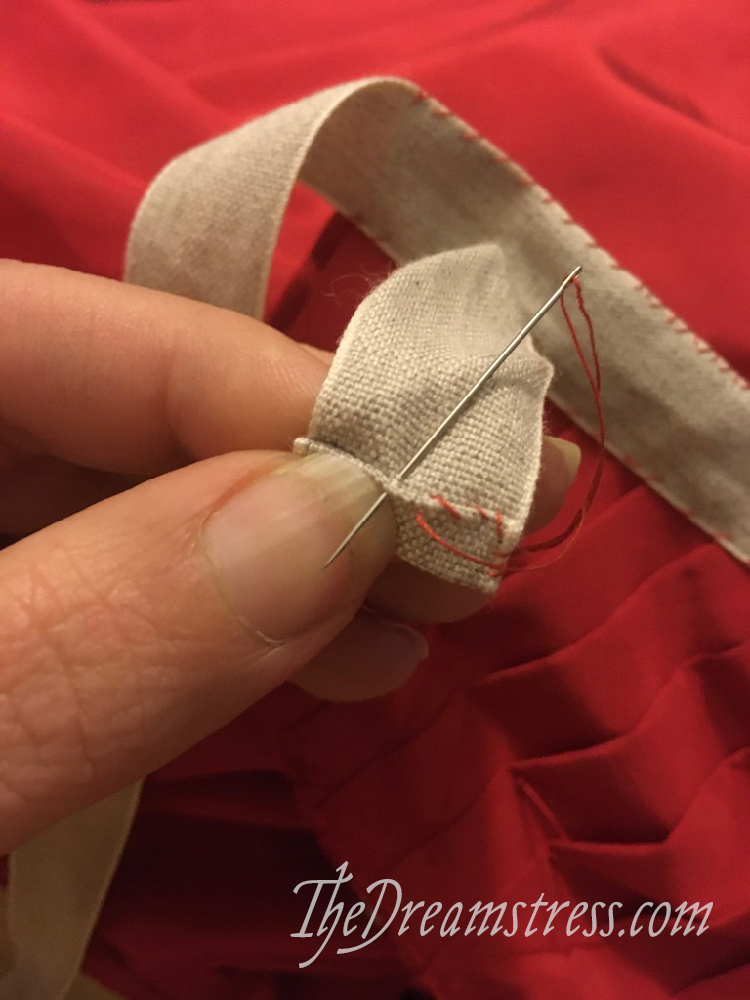
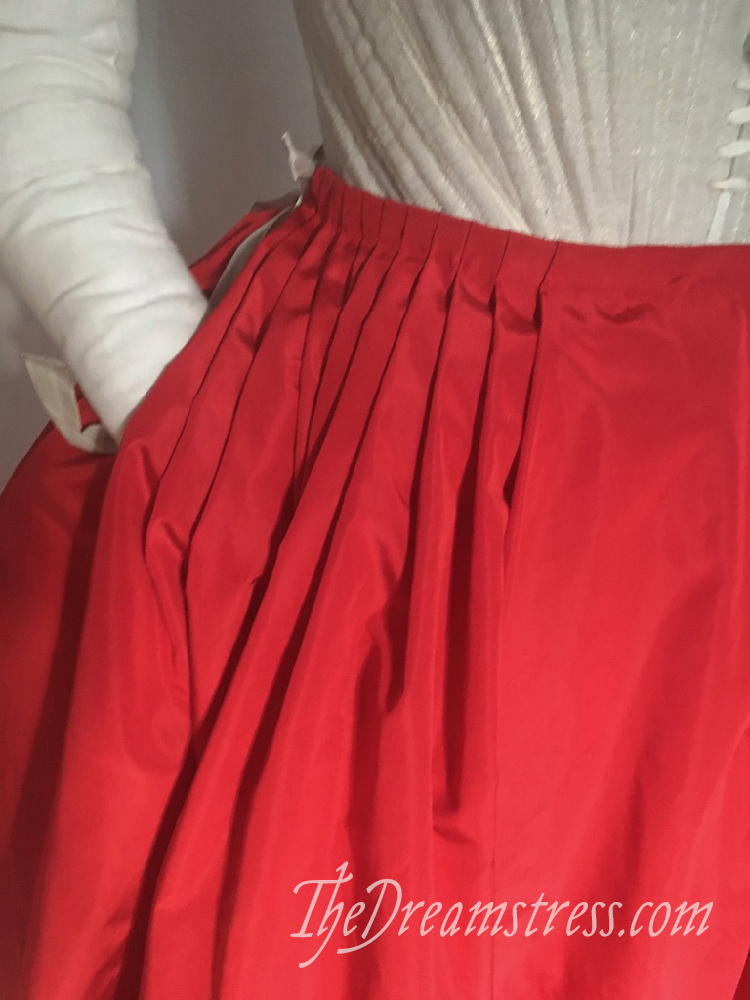
Then I hemmed the pocket slits. Because of the width of my fabric they weren’t on seams, so I had to slash them into the fabric. I really don’t want them to rip out at the bottom, so I worked little reinforcing circles of buttonhole stitches.
I have zero evidence that these are accurate to the period (in fact, I’m pretty sure they aren’t) but they are pretty, and will do the job extremely well.
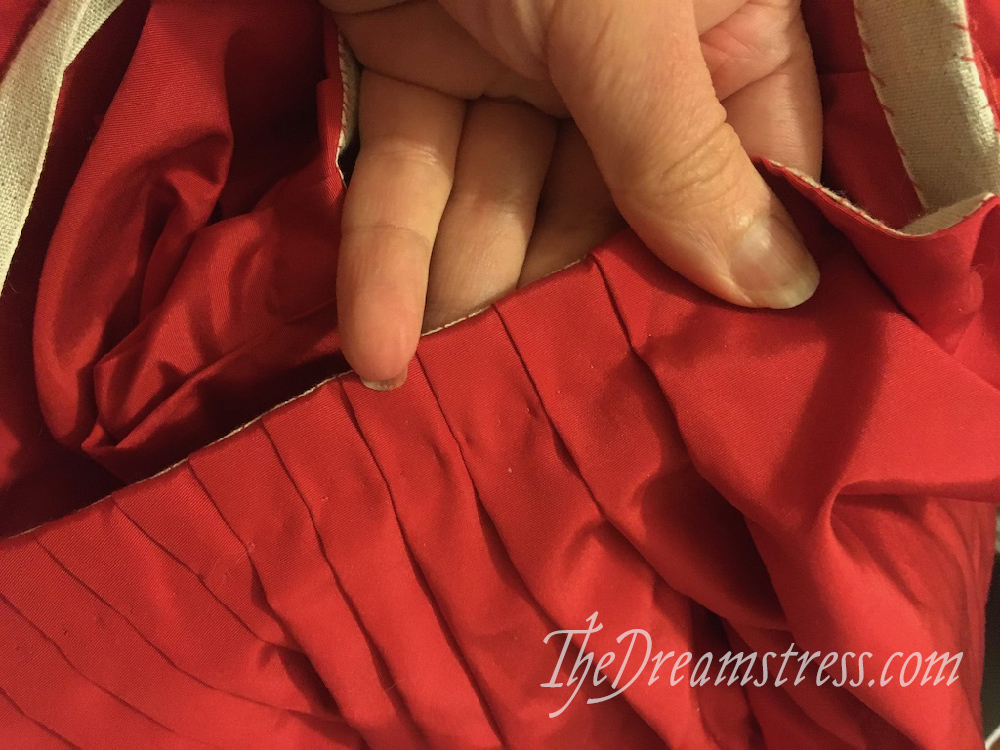
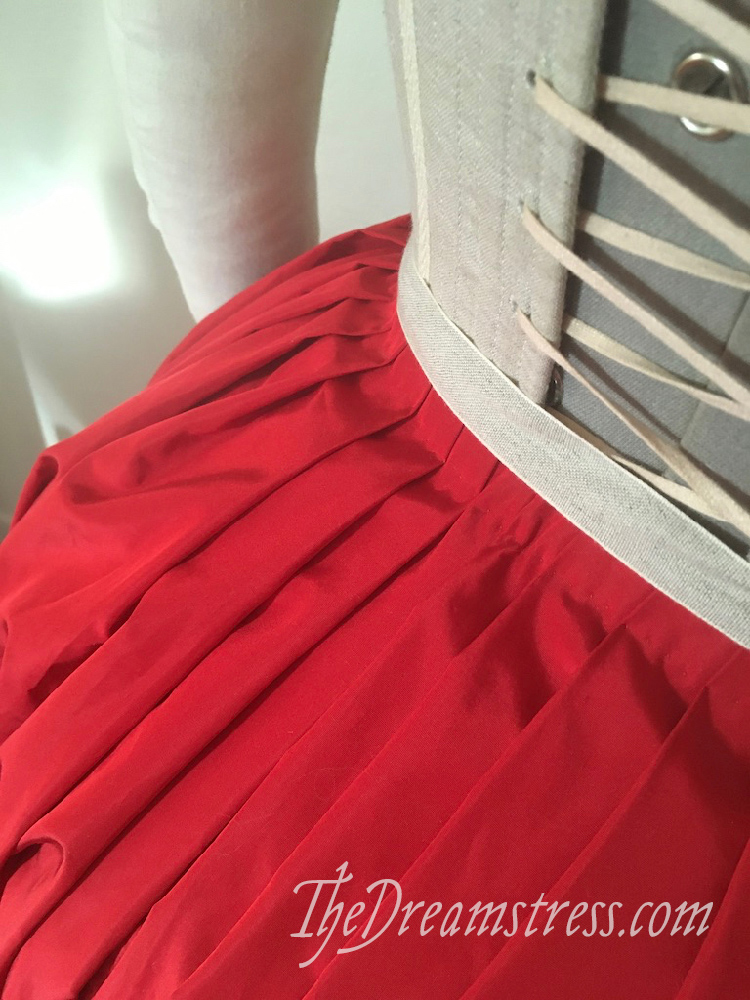
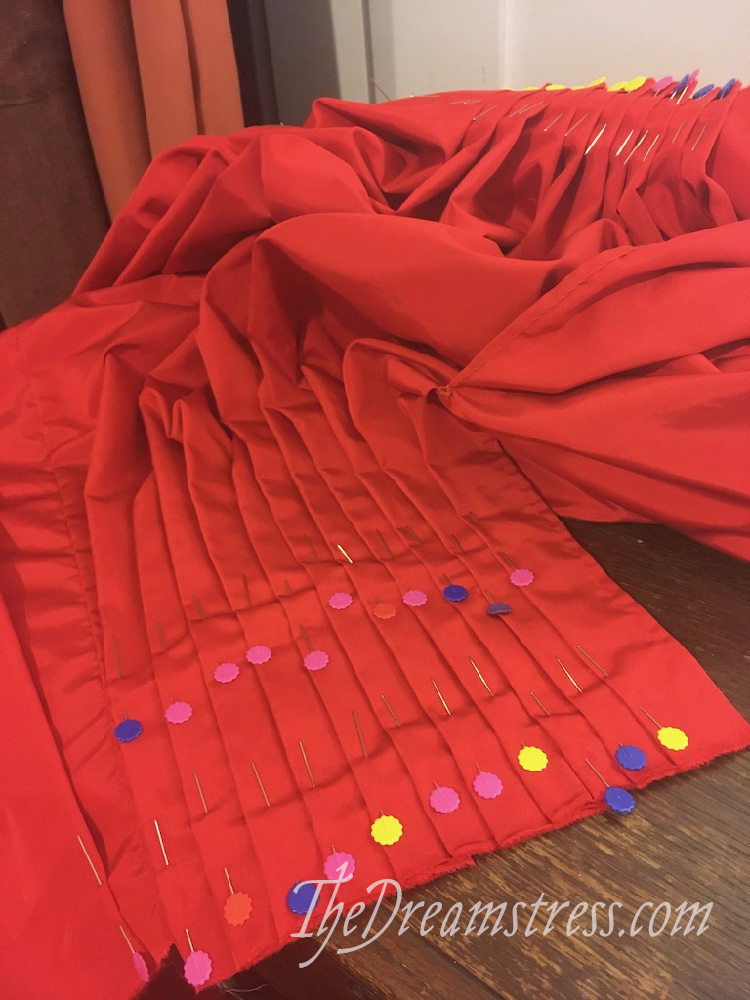
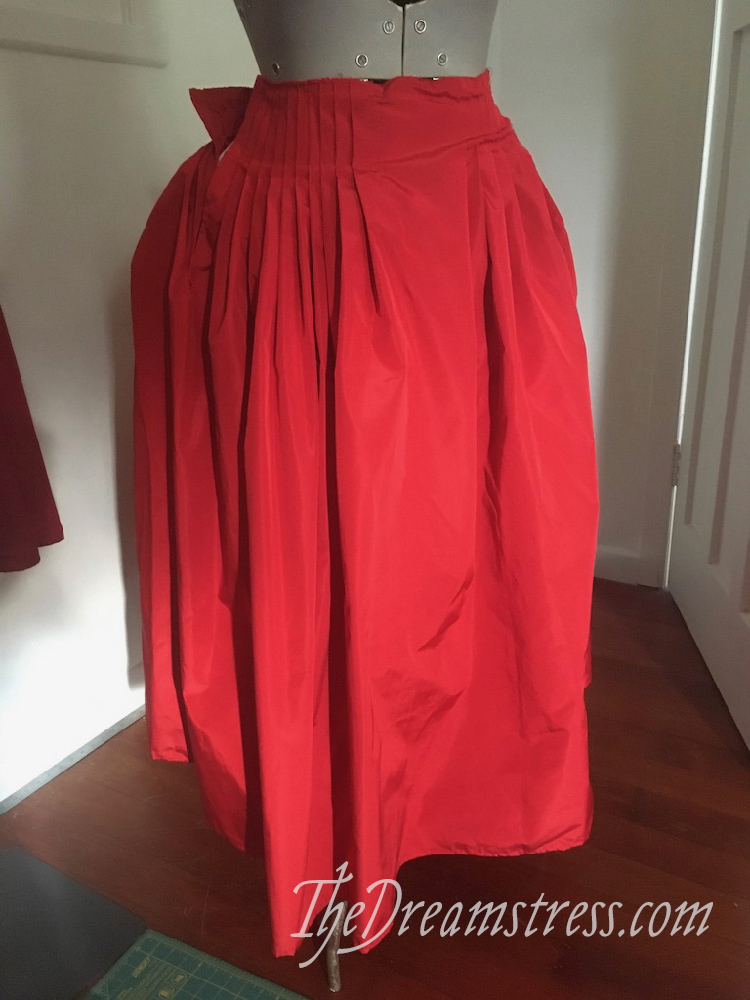
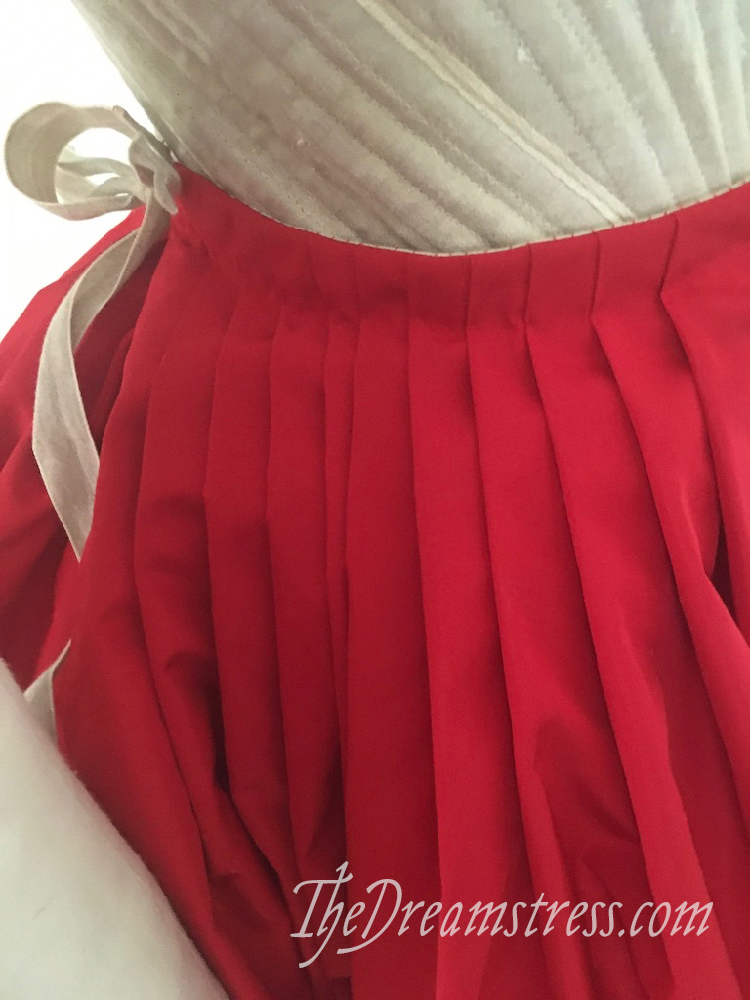
Then it was on to pleating. I took me 8 tries to get it just right…
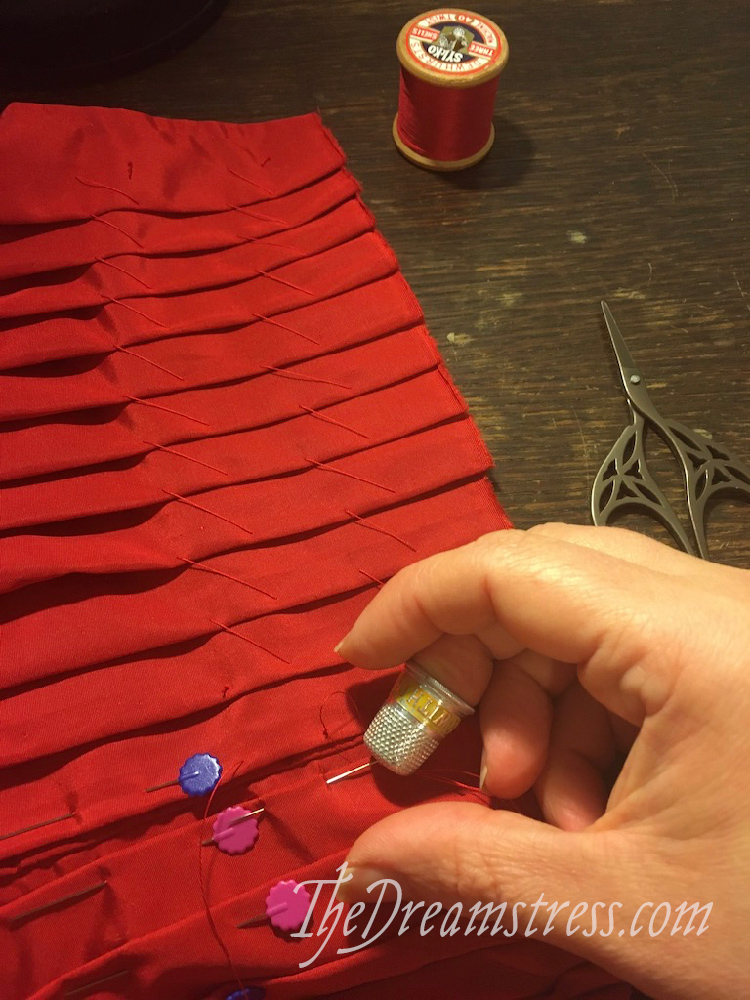
I did two lines of diagonal basting to hold the pleats in place:
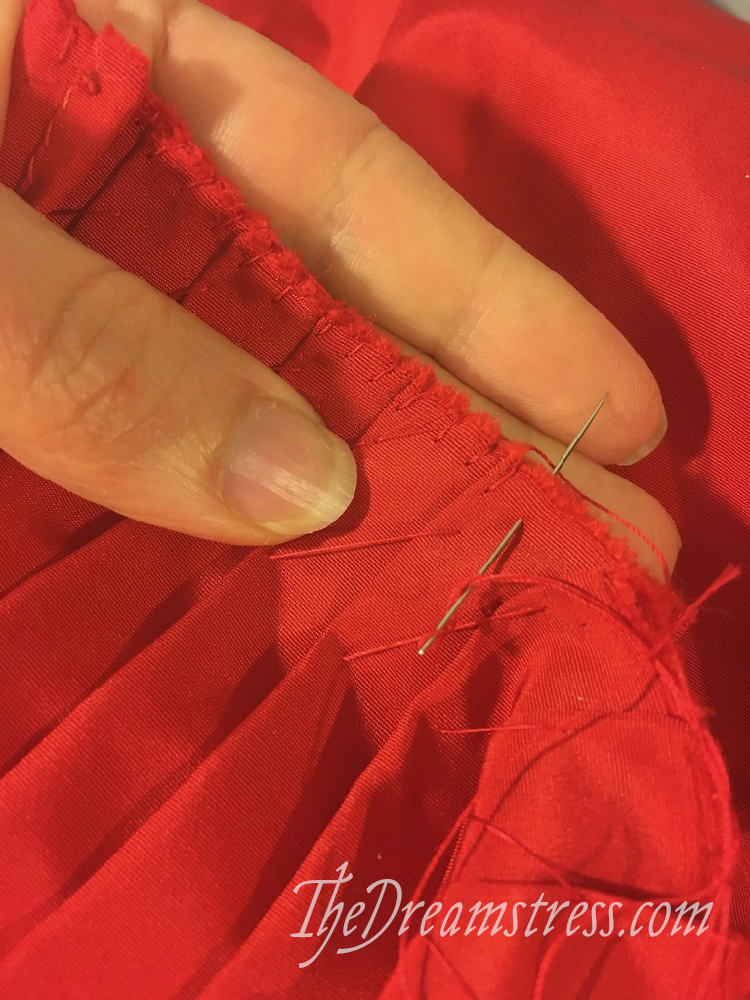
And then blanket stitched the top, because I love a good line of blanket stitching.
Then it was on to levelling the hem! The American Duchess Guide to 18th c Costuming has a great discussion on how to do this.
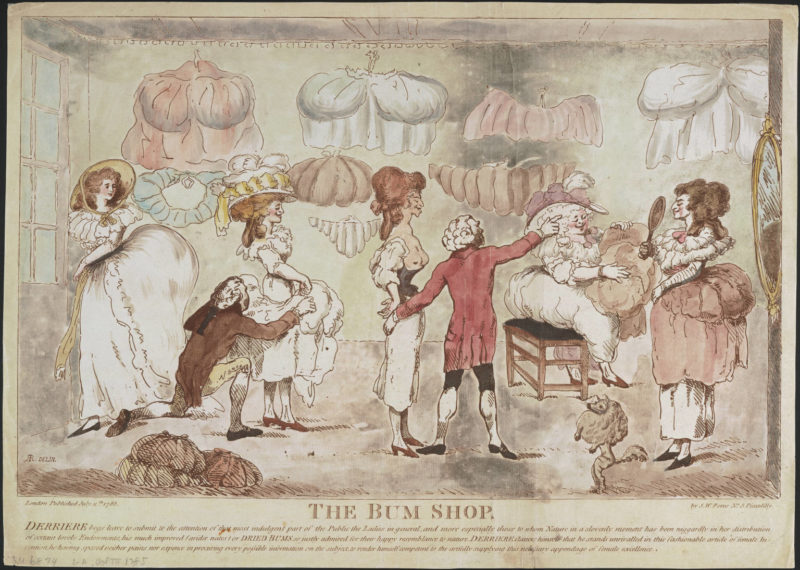
What I did is a little different to the AD book, because I levelled mine over a ‘croissant’ rump (like the ones shown on the woman on the far right or the kind just above the head of the man in the red jacket), rather than a split rump, although the general principal is exactly the same.
The Bum Shop, 1785. Lewis Walpole Library
I levelled over a croissant rump because I want to wear it with a jacket that will sit best over a croissant rump, and if I’d levelled it over a split rump it would end up with a funny dip in the hem when worn with a croissant rump. If I do want to wear it over a split rump I’d be wearing it over an Italian gown, where the skirts of the gown will hide any irregularities in the back hem.
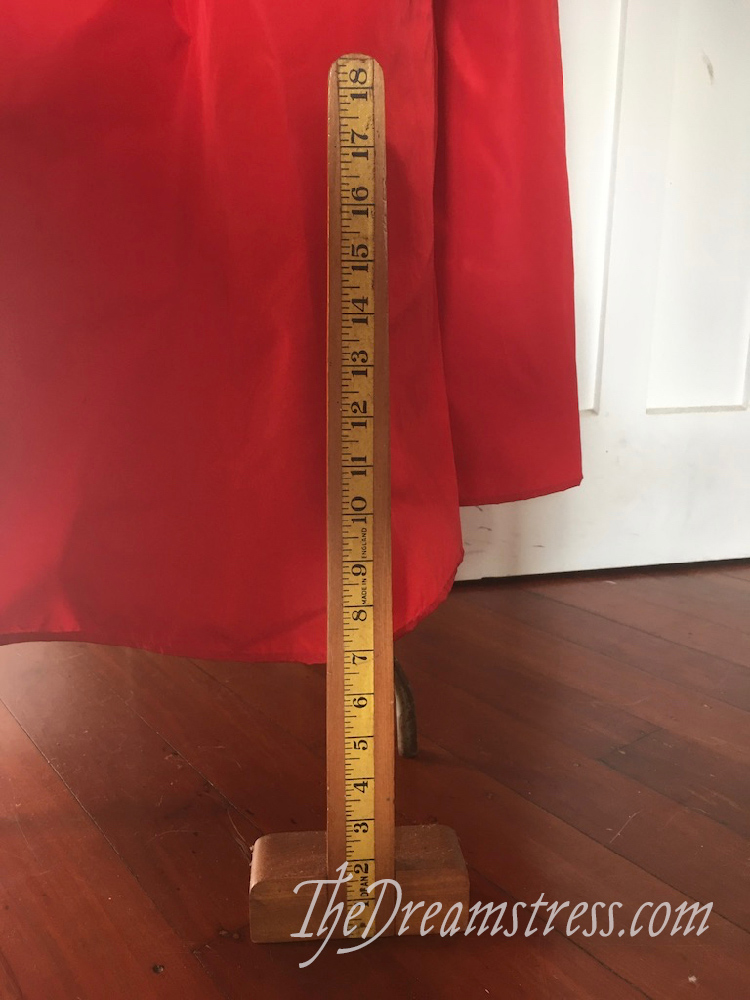
I hemmed it at 8.5″ off the ground on me, which is more in line with 1770s and early 1780s fashion than later 1780s fashion, when the skirts usually get longer (although there are some examples that still show exposed ankles I haven’t done a proper survey of what types of outfits show shorter skirts, and what types show longer)
How it fits the challenge: The Burnley & Trowbridge sew-alongs are a wonderful example of the historical costuming community’s generosity, and they way costumers come together in times of stress to support each other. Angela has been a fabulous cheerleader and mentor, and I’m so grateful to be part of her community.
Material: Ribbed silk cotton
Pattern: None, based primarily on the Burnley & Trowbridge petticoat sew-along, with reference to the AD 18th c Dressmaking book and period sources.
How historically accurate is it? The fabric is an excellent match to the weight and hand of an 18th c dress I’ve examined, but I haven’t been able to document examples with a silk cotton blend. Extant 18th c silks seem to be a slightly pinker red than this. The pocket-slit reinforcement was probably not used in the 18th c.