Latest Posts

Introducing the Scroop Miramar Dress, Top & Tunic!

It’s here!  Say hello to the newest Scroop pattern: the Miramar Dress, Top & Tunic.

The Miramar Dress, Top & Tunic

The Miramar is one of the most popular patterns that I teach with, and is also one of my favourite wardrobe staples for myself.  It is  designed to be a super easy introduction to sewing with knits for beginner sewist, and a fun, quick make for those with more experience.

Like my first pattern, the Henrietta Maria Dress and Top, the Miramar comes in my full size range: from bust 30″ to bust 50″, and has been tested in every size by my sewing students, and some awesome pattern testers, so you can be confident that it really does work on actual  bodies.

All three garments feature a V-neck with self-collar, and short or 3/4 length cut-on sleeves. The top sits at mid hip, and the tunic at mid thigh. The dress loosens below the hips to form a softly flared skirt that ends at the knee.

The Scroop Patterns Miramar Dress, Top & Tunic, scrooppatterns.com

In warm  knits the dress makes great autumn and winter wear paired with tights and boots.

It’s shown here in a merino wool crepe knit with 40% stretch in both directions.

The Scroop Patterns Miramar Dress, Top & Tunic, scrooppatterns.com

The tunic goes perfectly over leggings or jeans.  Mr D says that this tunic with leggings is his favourite of all the outfits that I’ve ever made – quite a commendation!
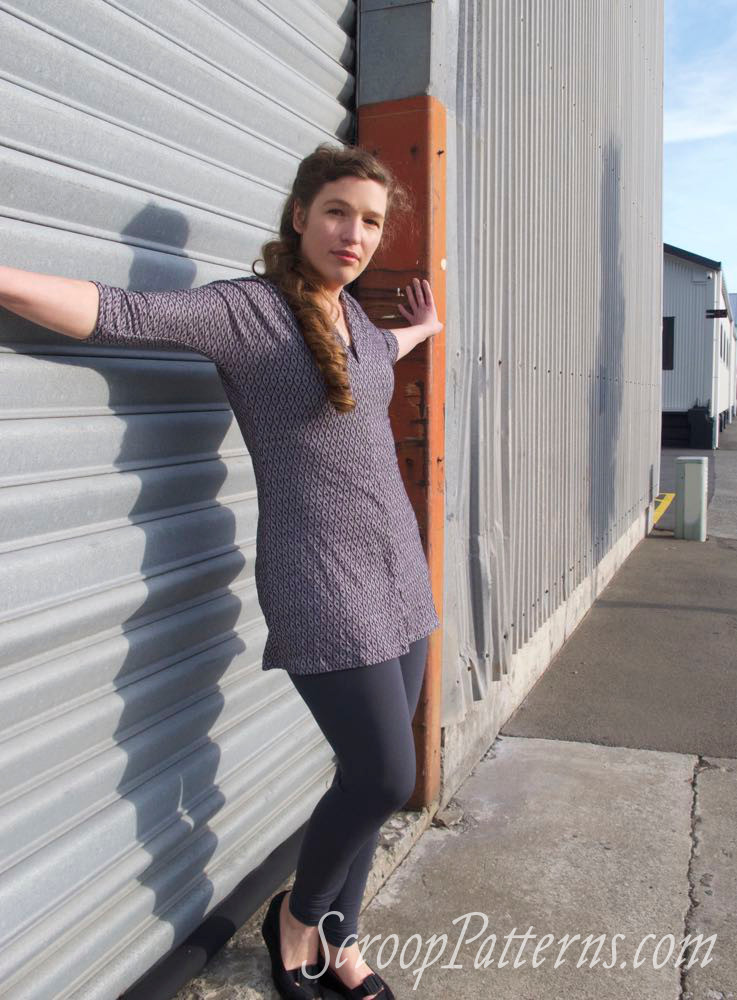
The Scroop Patterns Miramar Dress, Top & Tunic, scrooppatterns.com

My version is made of a merino/bamboo viscose blend jacquard knit from Levana Fabrics, with 30% stretch in each direction.

The top is a little dressier than a T-shirt, while being easier to make, and just as comfortable.
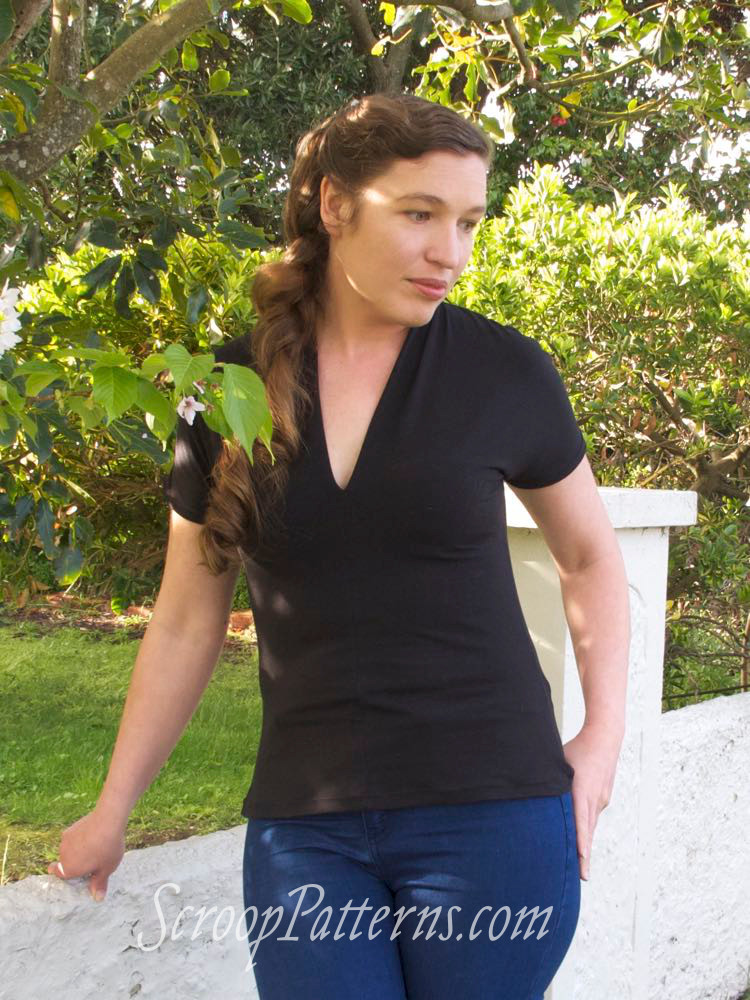
The Scroop Patterns Miramar Dress, Top & Tunic, scrooppatterns.com

My short sleeved version is shown in a cotton/spandex blend with 40% stretch across the width, and 30% stretch along the length.
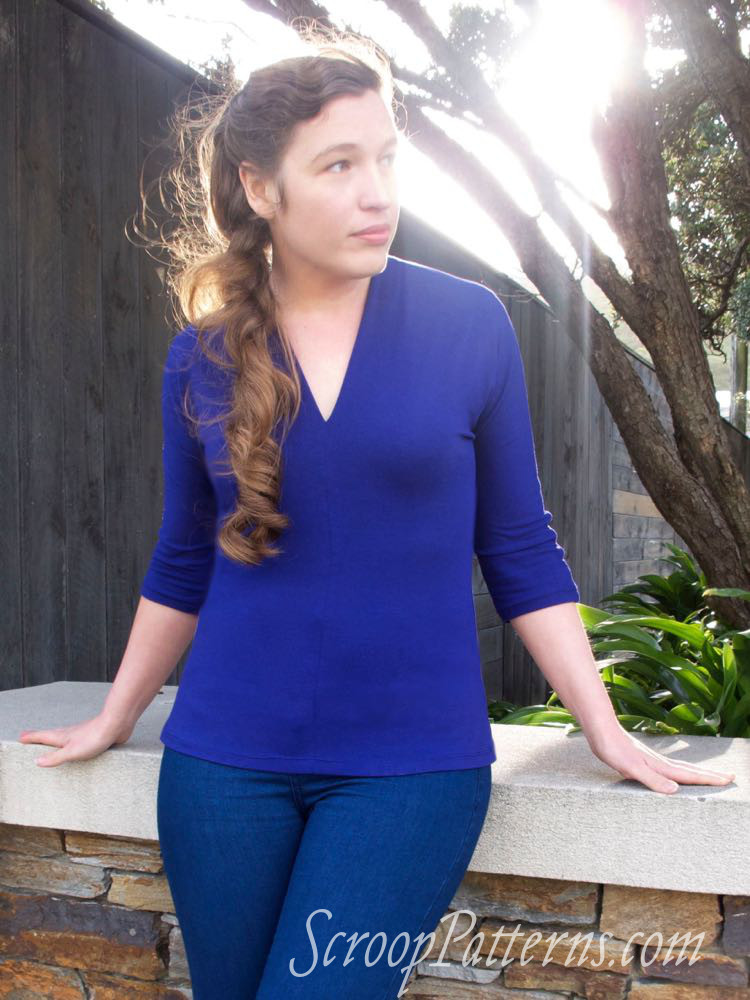
The Scroop Patterns Miramar Dress, Top & Tunic, scrooppatterns.com

The long-sleeved version is shown in a merino/spandex  blend with 50% stretch across the length and width.

The 3/4 sleeve versions of top, dress and tunic are  my go-to top pattern for transitional spring and autumn weather, and in summer the short sleeve top is perfect with shorts and fun skirts.

The Miramar is named after Wellington’s Miramar peninsula, home to Wellington’s film industry, including Weta Workshops, as well as a spectacular coastline, with  some of my favourite beaches and stretches of wild rocky shore.  I’ve had many adventures in Miramar while wearing a Miramar – here’s to you having lots of adventures in your own Miramars, all around the world!

The Scroop Patterns Miramar Dress, Top & Tunic, scrooppatterns.com

Get yours here!  

Rate the Dress: Lace, tassels and bows, but not as you expect them, ca 1880

Last week’s Rate the Dress was a 1900s number with a hint of green velvet, and you definitely liked it!  The pigeon breast lost a few points, but the overall reception was very, very good.

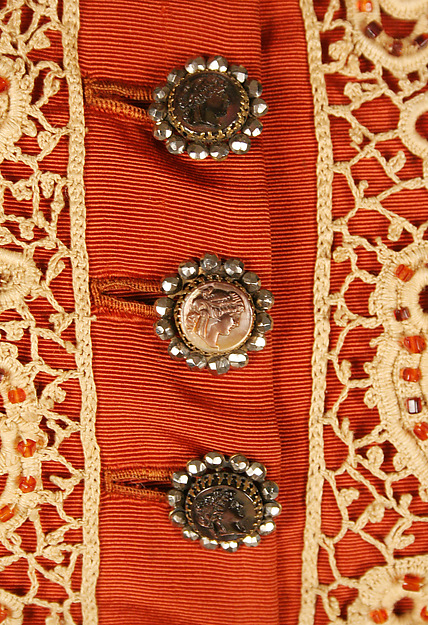
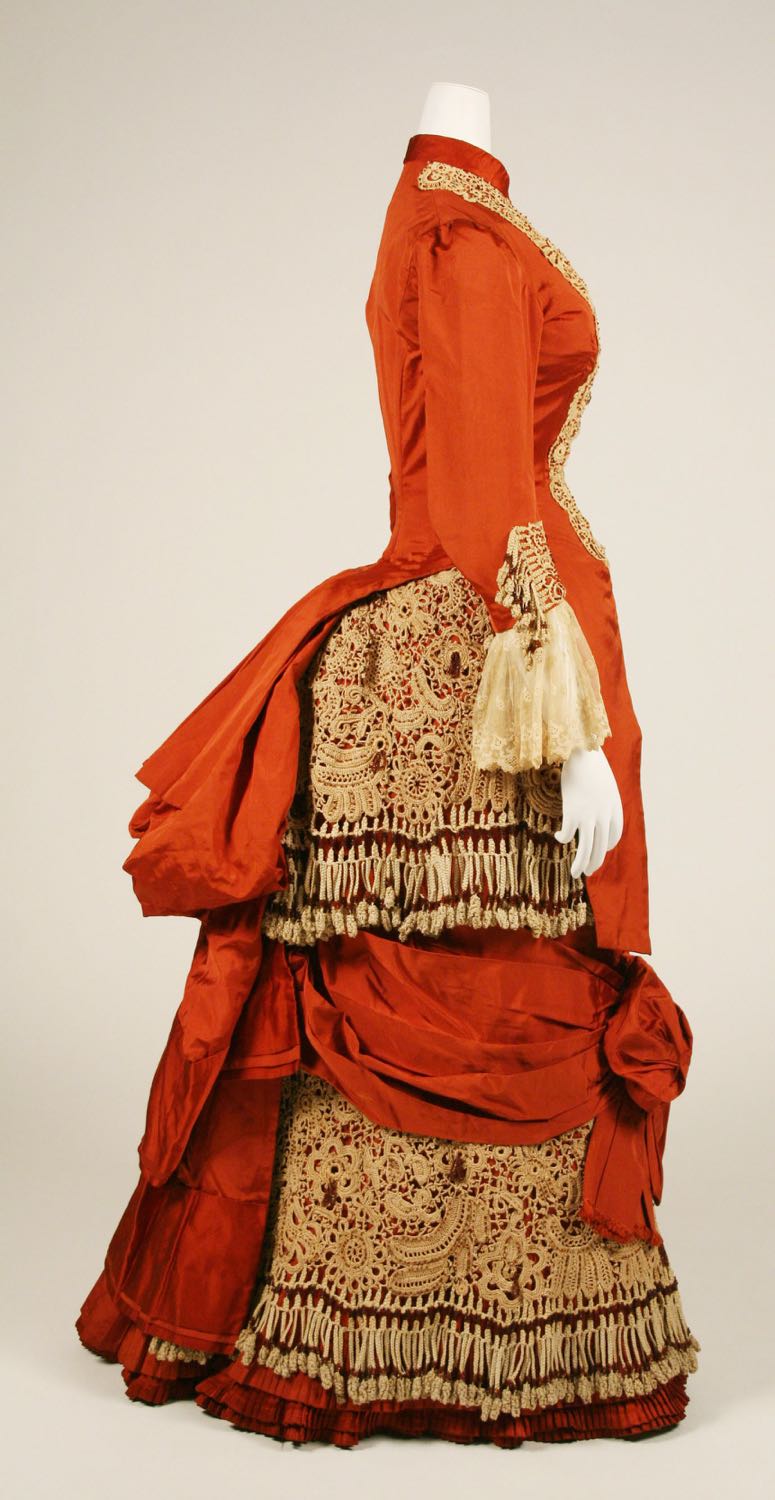
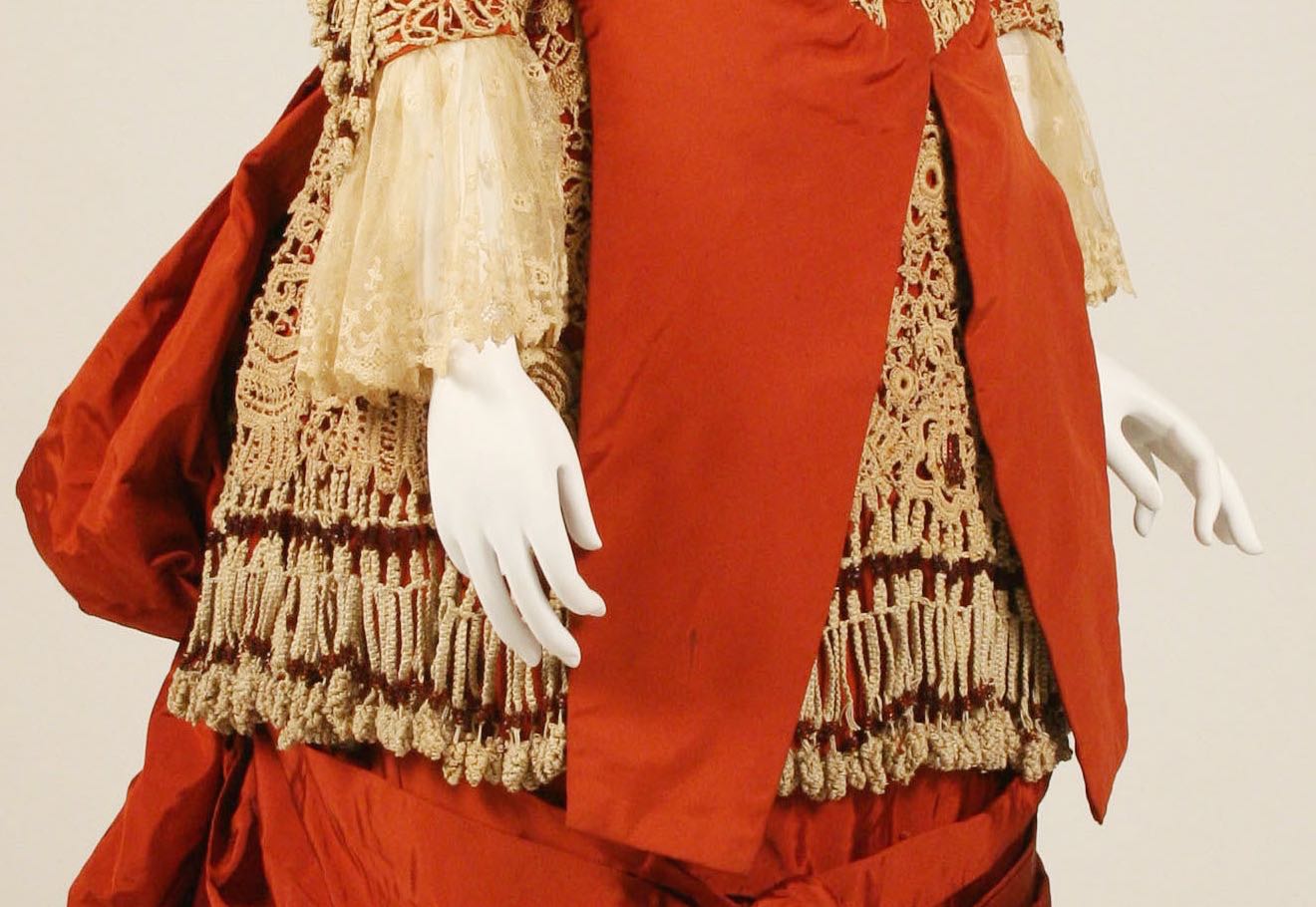
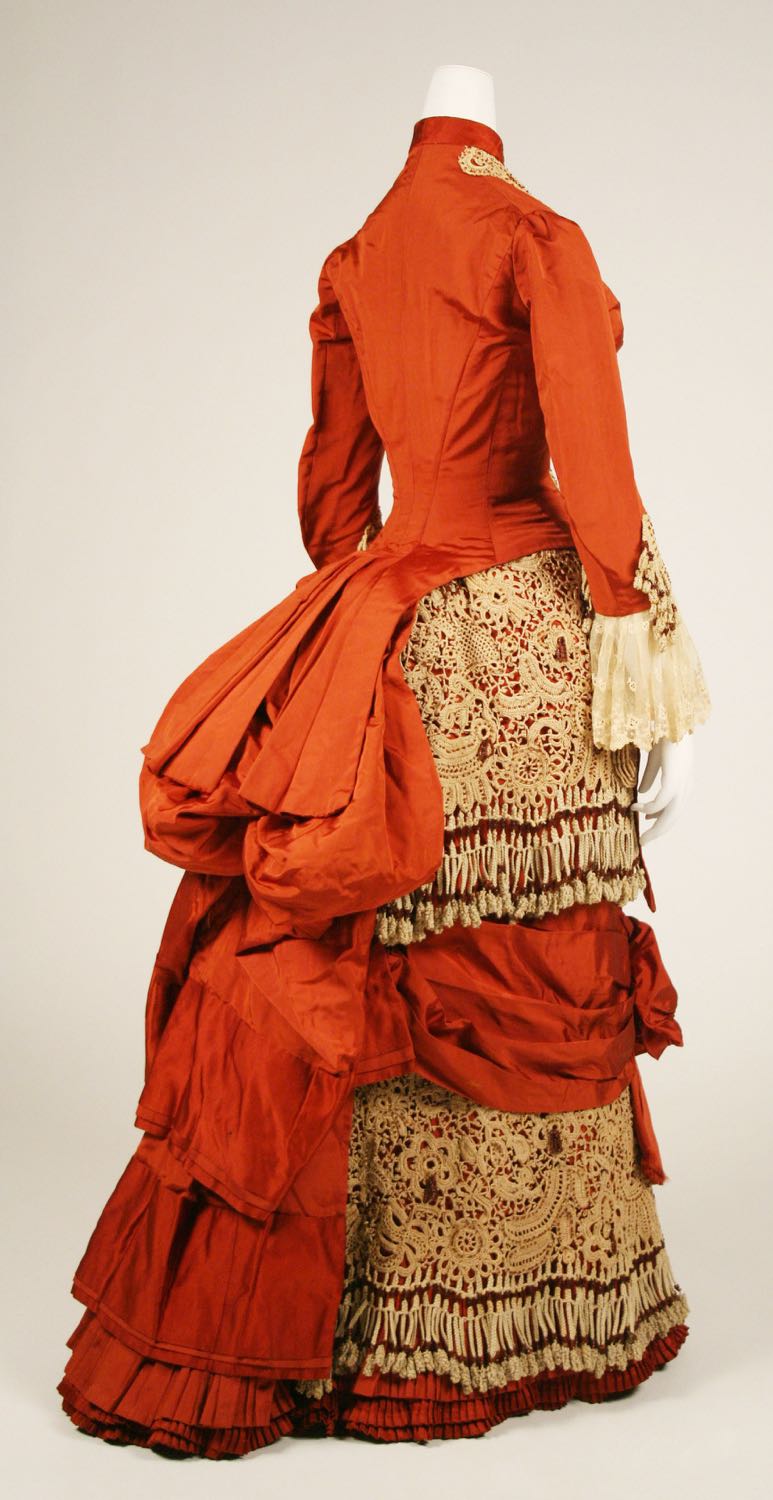
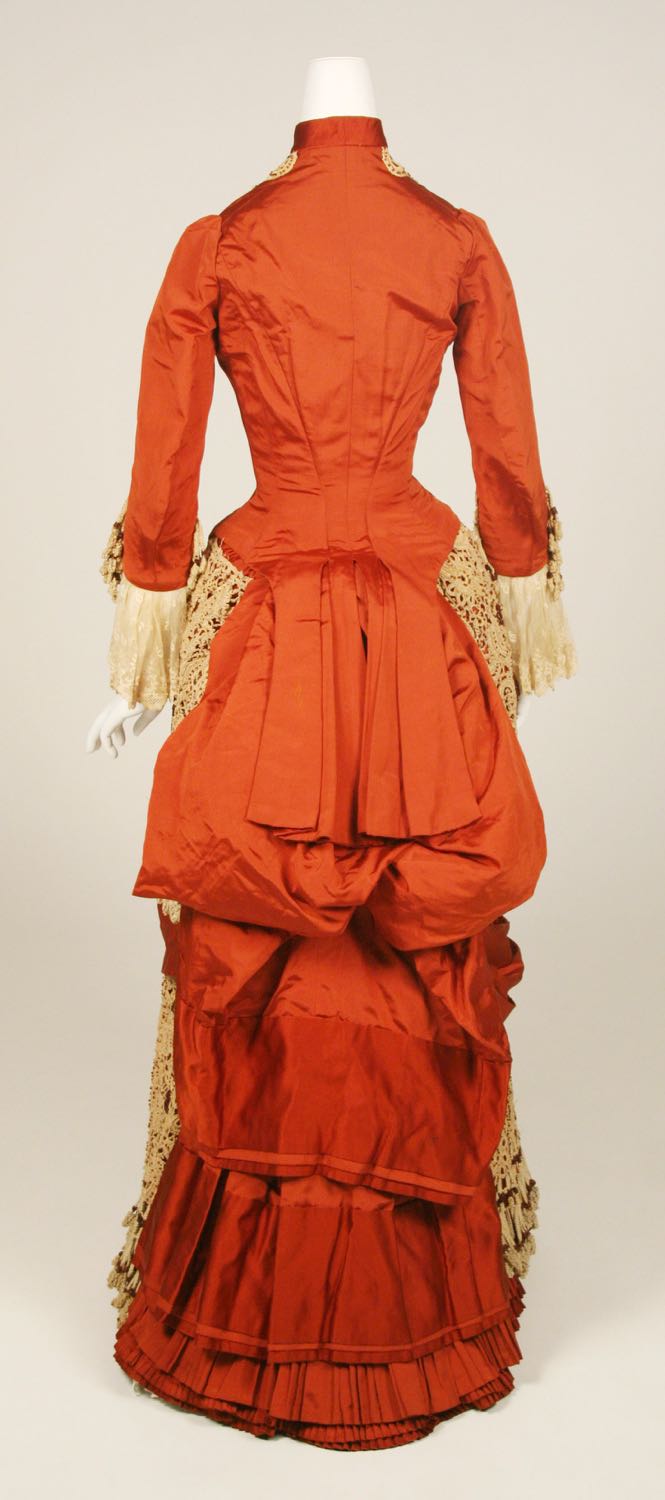
This week we’re going red, with a ca. 1880 dress that combines unusual lace, unusual tasselled fringe, and an unusual bow effect to the front skirt.

Dress, ca. 1880, American, silk, cotton, glass, Metropolitan Museum of Art, 1982.219.2a, b

Dress, ca. 1880, American, silk, cotton, glass, Metropolitan Museum of Art, 1982.219.2a, b

Dress, ca. 1880, American, silk, cotton, glass, Metropolitan Museum of Art, 1982.219.2a, b

Dress, ca. 1880, American, silk, cotton, glass, Metropolitan Museum of Art, 1982.219.2a, b

Dress, ca. 1880, American, silk, cotton, glass, Metropolitan Museum of Art, 1982.219.2a, b

Dress, ca. 1880, American, silk, cotton, glass, Metropolitan Museum of Art, 1982.219.2a, b

Dress, ca. 1880, American, silk, cotton, glass, Metropolitan Museum of Art, 1982.219.2a, b

Dress, ca. 1880, American, silk, cotton, glass, Metropolitan Museum of Art, 1982.219.2a, b

Dress, ca. 1880, American, silk, cotton, glass, Metropolitan Museum of Art, 1982.219.2a, b

Dress, ca. 1880, American, silk, cotton, glass, Metropolitan Museum of Art, 1982.219.2a, b

Dress, ca. 1880, American, silk, cotton, glass, Metropolitan Museum of Art, 1982.219.2a, b

You liked a lace skirt last week. Will this one get the same enthusiastic approval?

Rate the dress on a Scale of 1 to 10

Royal Hawaiian Featherwork: Nā Hulu Ali‘i at LACMA, thedreamstress.com

Royal Hawaiian Featherwork: Nā Hulu Ali‘i at the Los Angeles County Museum of Art

There were many, many highlights to my trip to Southern California for Costume College in July/August, but one of the best was going to LACMA to see Reigning Men, and discovering that there was a major exhibition on Hawaiian featherwork as well – and we’d come just in time for the last day!

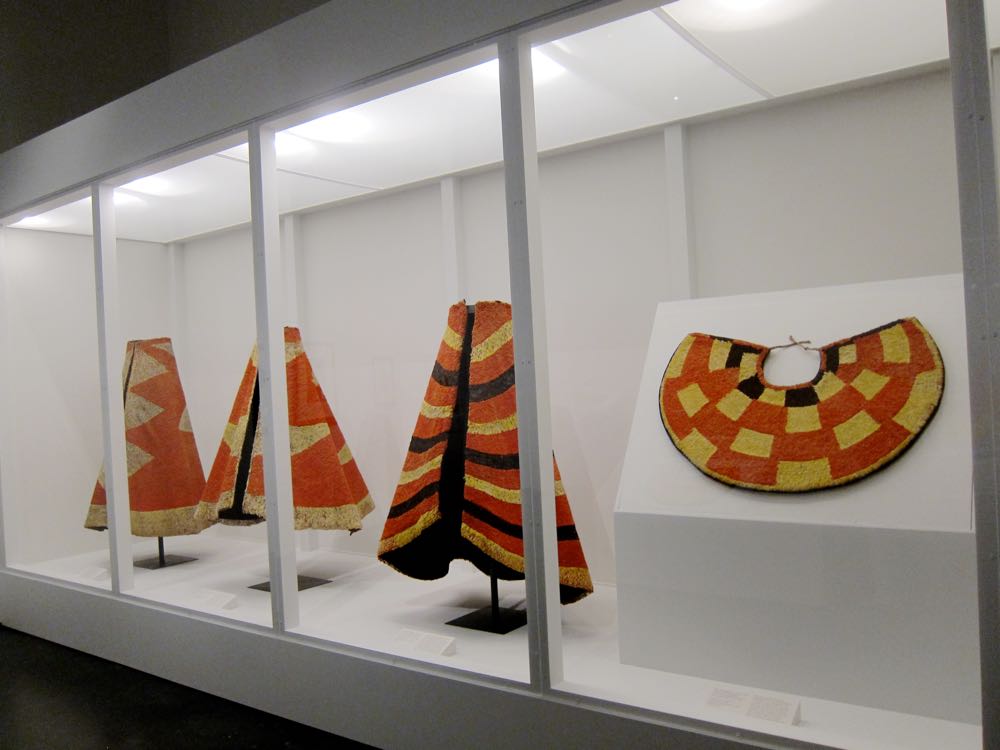
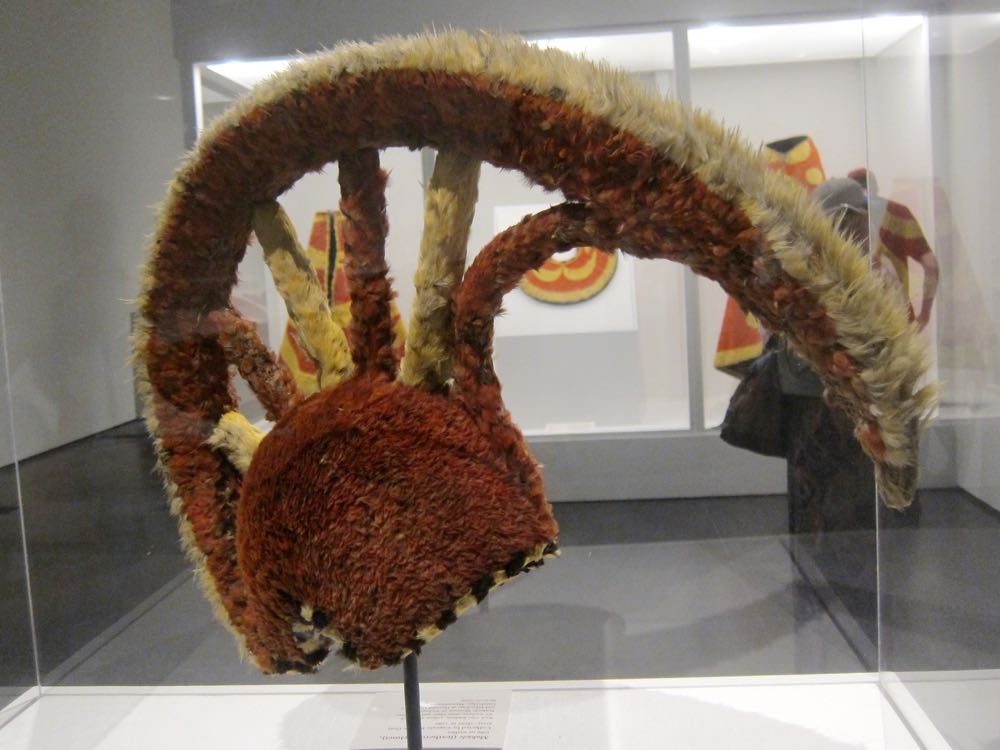
I enjoyed Reigning Men (though it definitely struggled with curatorial cohesion), but I loved  Nā Hulu Ali‘i.  I’ve seen many pieces of Hawaiian featherwork in different museums, but never so many in a single exhibition.  And Hawaiian featherwork is a phenomenal craft.  The skill involved in making ‘ahu ‘ula (cloaks) and mahiole (helmets) is breathtaking.

Royal Hawaiian Featherwork: Nā Hulu Ali‘i at LACMA, thedreamstress.com

In Hawaiian culture, featherwork was a sign of mana (spiritual prestige) and status.  Feather cloaks, helmets, and lei were worn only by chiefs.  They were passed down from generation to generation, warriors would seize cloaks and helmets from defeated rivals, and feather items were given as gifts to convey favour.

Royal Hawaiian Featherwork: Nā Hulu Ali‘i at LACMA, thedreamstress.com

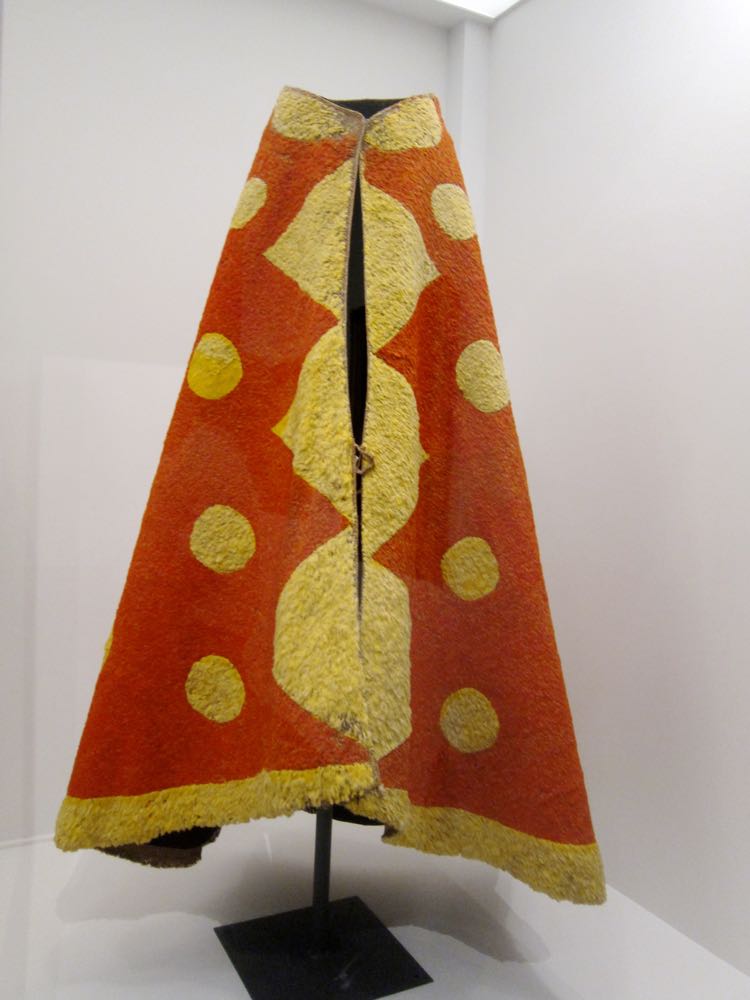
Cloak associated with Chief Kalaniʻōpuʻu

‘Ahu ‘ula and mahiole are made by weaving feathers on to a netting of ‘olona (which is a type of nettle, a fact that makes me ridiculously happy).

Royal Hawaiian Featherwork: Nā Hulu Ali‘i at LACMA, thedreamstress.com

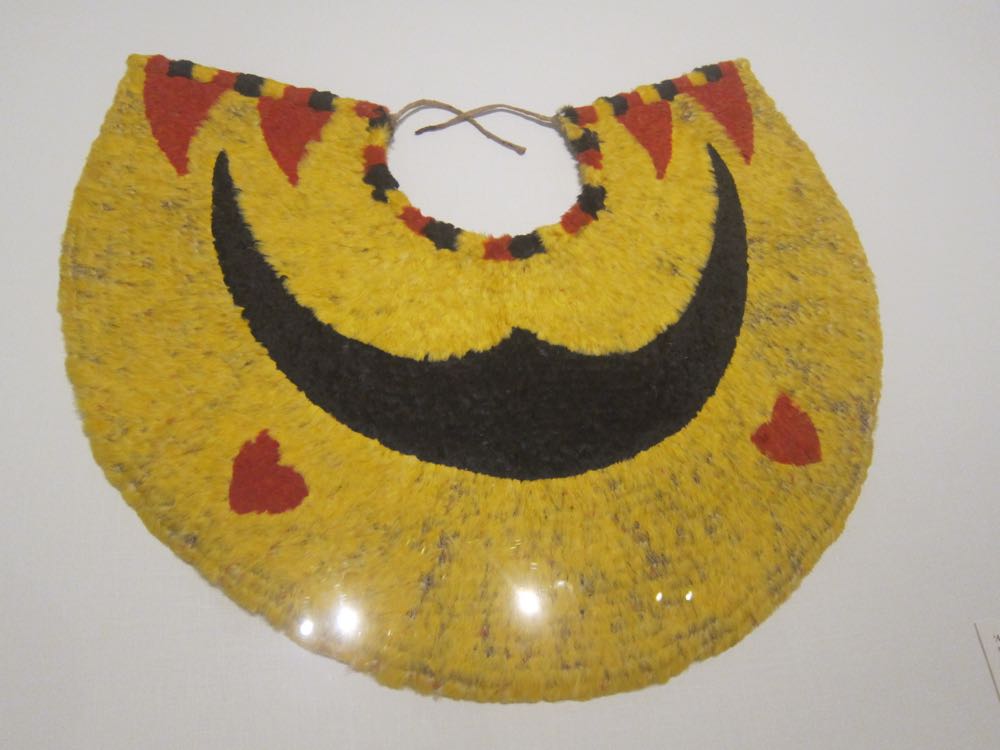
The yellow feathers are from o’o, which as you’ll notice if you look at images of them, only have tiny little patches of yellow feathers.  One cloak could take feathers from tens of thousands of birds, which were caught, the yellow feathers plucked, and then released to re-grow more feathers.

Royal Hawaiian Featherwork: Nā Hulu Ali‘i at LACMA, thedreamstress.com

Red feathers came from ‘i’iwi and ‘apapane and because they were more plentiful than yellow, were less prized.  The more yellow in a cloak, the more mana, and the higher the status of the wearer.

Royal Hawaiian Featherwork: Nā Hulu Ali‘i at LACMA, thedreamstress.com

The importance of feathered cloaks, and the links between the birds that made them and the end result was so marked that the original  latin name given to  the ‘i’iwi bird was Vestiaria coccinea:  Vestiaria meaning clothing, and coccinea meaning red.

Royal Hawaiian Featherwork: Nā Hulu Ali‘i at LACMA, thedreamstress.com

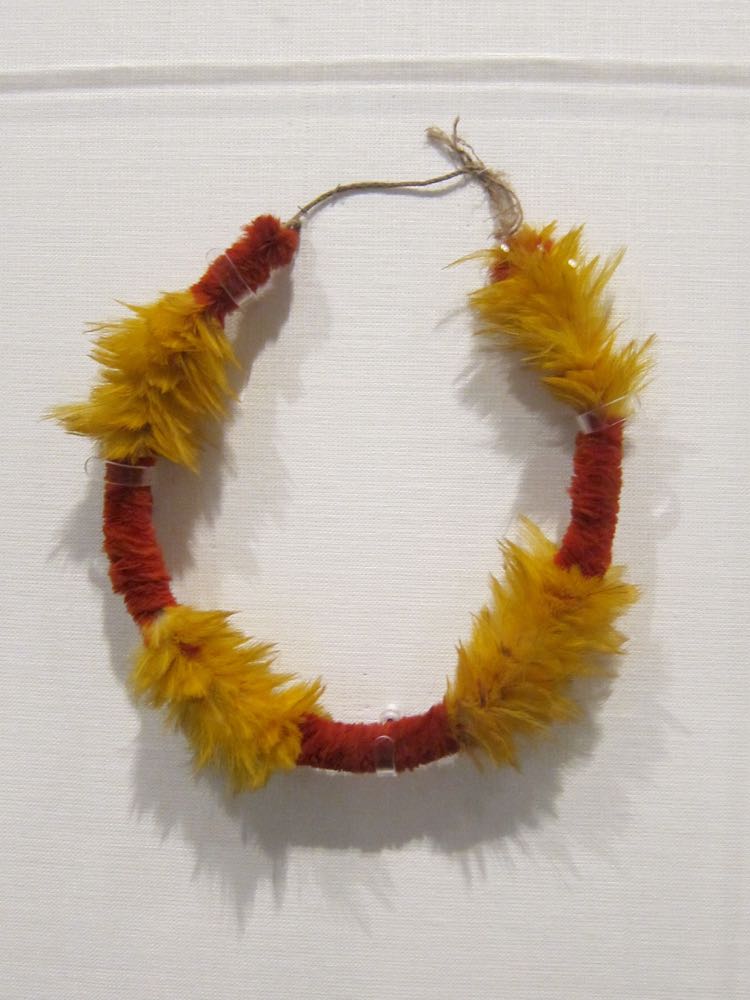
Lei pauku (feather lei), 18th century. Mark and Carolyn Blackburn Collection.

Captain Cook noticed Hawaiian featherwork as soon as he arrived in Hawaii, and was delighted when he was given a number of pieces of featherwork, including a cloak and helmet, by the Chief KalaniʻōpuÊ»u.  The cloak and helmet were at Te Papa in Wellington until this year, when they were repatriated to Hawaii.

Royal Hawaiian Featherwork: Nā Hulu Ali‘i at LACMA, thedreamstress.com

Many other cloaks, helmets and were given to European visitors over the years, and made their way into museum collections over the years.  Others remained in Hawaii, and most of those are now  at the Bishop Museum.

Royal Hawaiian Featherwork: Nā Hulu Ali‘i at LACMA, thedreamstress.com

The featherwork tradition did not stay static as the Western influence became more pronounced.  Cloaks, lei, and kahili continued to be made, and incorporated Western motifs  (note the hearts in the cloak three photos up) introduced feathers, and ‘fashionable’ silhouettes.

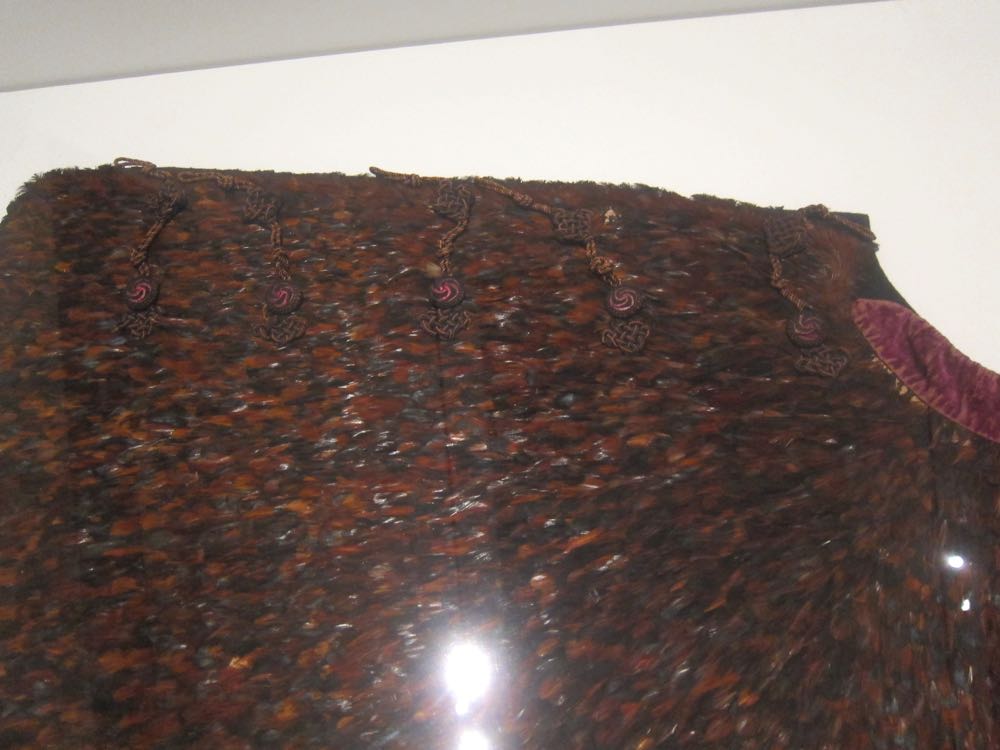
Cape, 1882, associated with Queen Kapi'olani.  Pheasant and chicken feathers, velvet, silk, and frogging closures.  Bernice Pauahi Bishop Museum

Cape, 1882, associated with Queen Kapi’olani. Pheasant and chicken feathers, velvet, silk, and frogging closures. Bernice Pauahi Bishop Museum

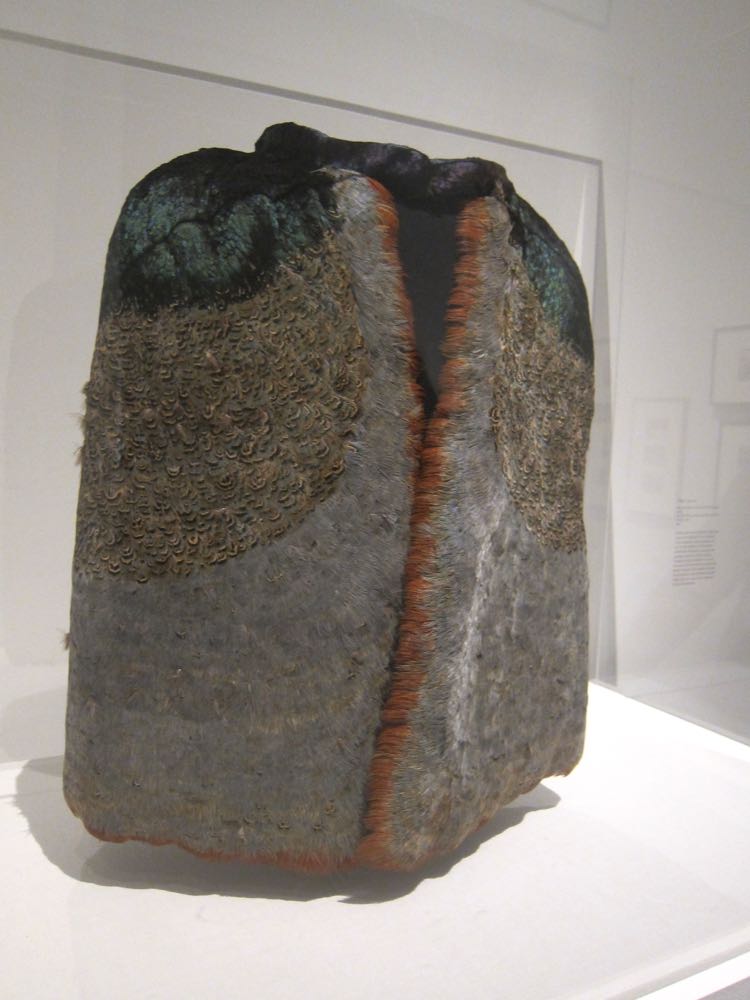
Note the statement shoulders on this cloak, typical of late 1930s fashions:

Royal Hawaiian Featherwork: Nā Hulu Ali‘i at LACMA, thedreamstress.com

Cape worn by Hawaiian activist Alice Kamokila Campbell, 1930s-40s. Pheasant feathers on wool with silk. Honolulu Museum of Art

More  about Hawaiian featherwork:

Royal Hawaiian Featherwork: Nā Hulu Ali‘i at LACMA, thedreamstress.com