Latest Posts

Question time: Me-Made, Wardrobe Percentages, and Wardrobe Philosophies

Since I sew all.the.time, and teach sewing, and blog about sewing, people often ask me how much of my wardrobe is me-made, or how much of the clothes I wear are me-made.  And where do I get the stuff that isn’t me-made?
It’s a really interesting question, because it makes people think about how much of their own wardrobe they could aim to sew, and how much of your own wardrobe you can realistically sew.  It also has a bearing on my overall philosophy of sewing and clothing.

It’s also interesting, because being me,  I over-think this question.  How exactly do I calculate it?

Percentage of items in my overall wardrobe?  Meters of fabric sewn by me vs. not?  Days of the week I wear me-made stuff?   Percentage of garments that I wear on a daily basis that are made by me?  Percentage of the fabric that I am wearing on a daily basis that has been sewn by me?

And how do I count vintage or commercially made items that I have mended and altered?  Do those count as me-made?  What about my costumes?  Do I count them as part of my wardrobe?  Or vintage pieces I own that I intend to wear once or twice for a photoshoot, but not as daily wear.  Do they count?

Certainly a huge amount of my daily wardrobe is me-made.

Items in my wardrobe:  approximately 70% sewn by me, 30% not

Five years ago when I worked for Te Papa (the national museum) and had a lot less time to sew, I focused my sewing on costumes and special occasion items.

When I went shopping, I generally bought  well-made, timeless items, usually by local designers.  Some of these pieces I’ve since sold, or passed on to friends or op-shops, because they no longer fit my lifestyle, but I still have a dozen or so  pieces  of beautiful, classic business-wear in my wardrobe that I no longer have as much of an excuse to wear, but love too much to get rid of.

World wool pencil skirts and Blak silk blouses are gorgeous, but stupid for sewing and pattern drafting in, especially with Felicity around, and when I teach classes,  shorts and T-shirts are actually more work appropriate – as long as they are ones I have made!  So the 30% not-made-by-me items are less likely to be worn on a daily basis.
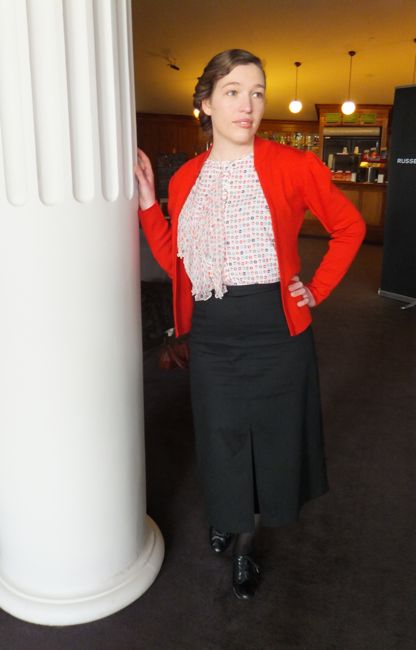
A me-made skirt with a too-fabulous to not wear modern top, and vintage-ish sweater by NZ knitwear company Insidious Fix

A me-made skirt with a too-fabulous to not wear modern top, and vintage-ish sweater by NZ knitwear company Insidious Fix

Meters of fabric in my wardrobe: approximately 80% sewn by me, 25% not

I tend to make wide-legged pants, and buy skinny jeans.  I make tap-pants and slips, but buy bras.  So more of the actually fabric meterage in my wardrobe is sewn by me.
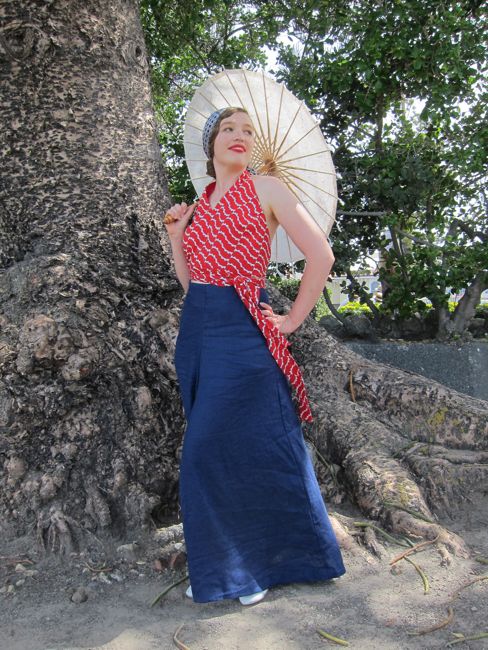
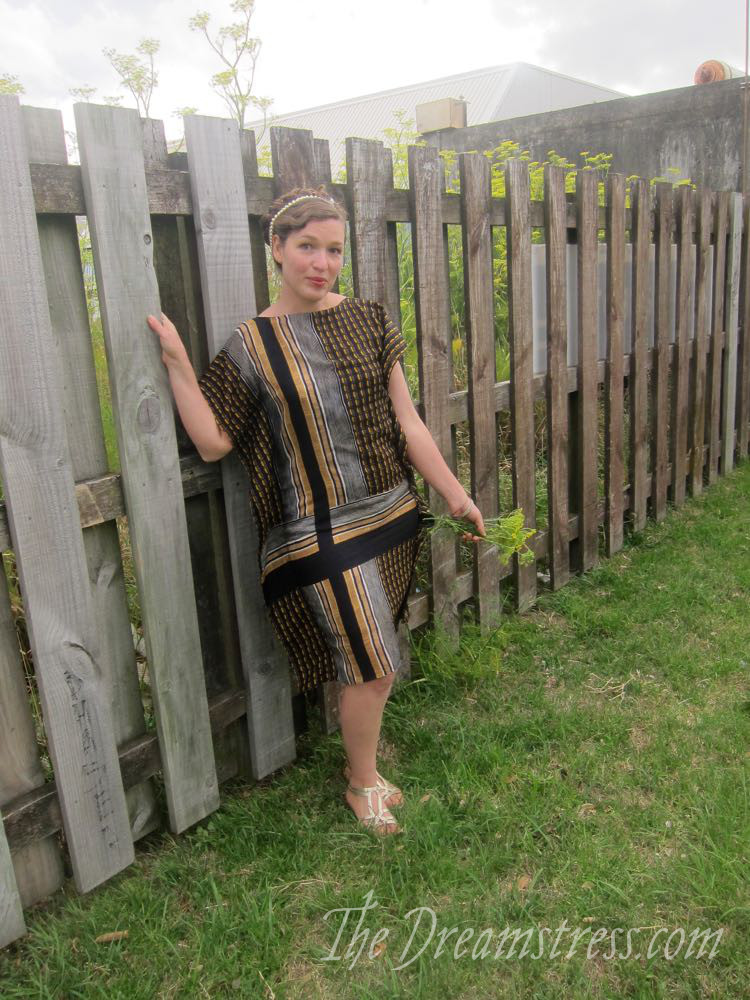
Beach pyjama trousers thedreamstress.com3

Days of the week I wear me-made items: 6.9 out of 7

It’s a very unusual day when I am not wearing at least one item made by me.  The last time I can think of was a day when I spent the entire day painting the house and put on an old pair of stained, paint spattered shorts and T-shirt that have been my painting clothes for over 5 years, and managed to find one of the last few pairs of not me-made knickers at the back of my drawer, probably because I hadn’t done laundry in over a week because we were painting, so didn’t have any clean me-made ones.

I’ve yet to have anything I made wear out enough that it would be painting gear!

Even when I’m wearing a vintage dress, and my outfit looks not-me-made, I almost certainly made my slip and knickers  (UPDATE: and now, you can buy the pattern to make your own – and singlet camisoles and slips – with the Scroop Wonder Unders pattern!  Get it here!)
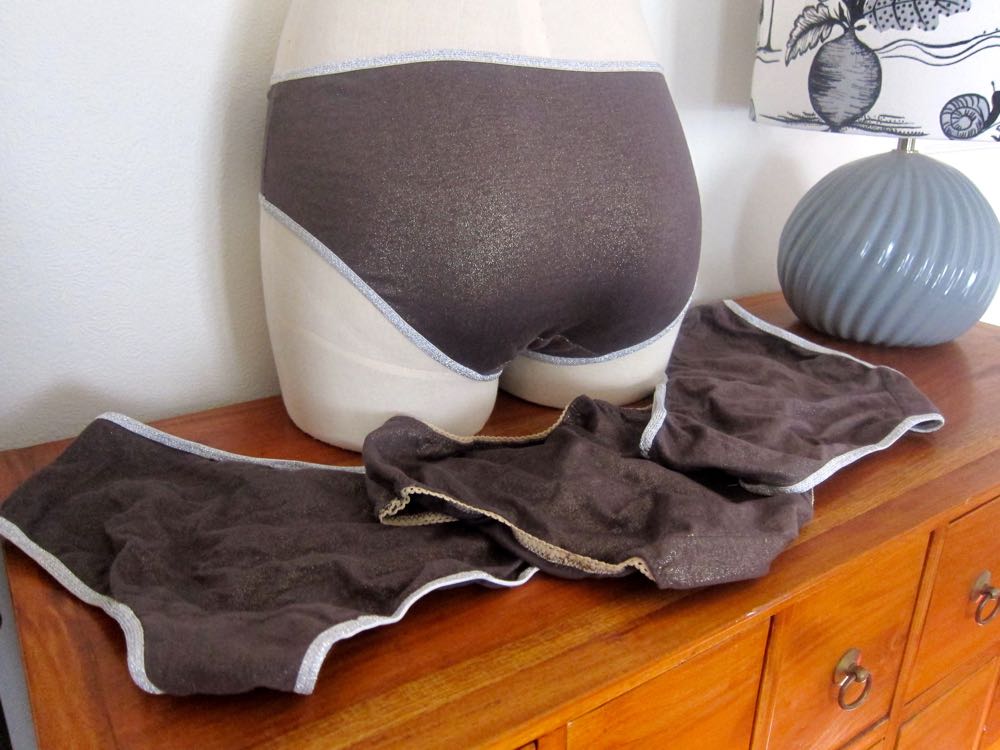
Wonder Unders thedreamstress.com1

Percentage  of the number of garments I wear on a daily basis that are made by me: 65% me, 35% not.  

The stuff I’m wearing that isn’t by me is bras, jeans, my winter coat (it’s vintage and fabulous), and socks.

I still buy all my bras because for 300 days of the year moulded foam bras are a Wellington girl’s best  friend: you want as  many layers between you  and the outside world as possible (not because nipples are bad, but because if they show it means I  am cold enough to wish I  was wearing more clothes for my own comfort).  And moulded foam bras are  a major hassle to make.

I buy jeans because jeans just aren’t exciting to make: I’ve done it, but every time I’ve tried recently I think of all the delicious non-jean  things I could sew in 15 hours of sewing, and I loose the will to go on.  I have tailored a lot of my jeans to fit me just as I want.

I buy socks because even my awesome  stocking pattern can’t keep up with my three-layers-of-socks-a-day-and-they-must-all-be-wool-and-even-that-doesn’t-completely-keep-me-from-getting-chillblains habit in winter.
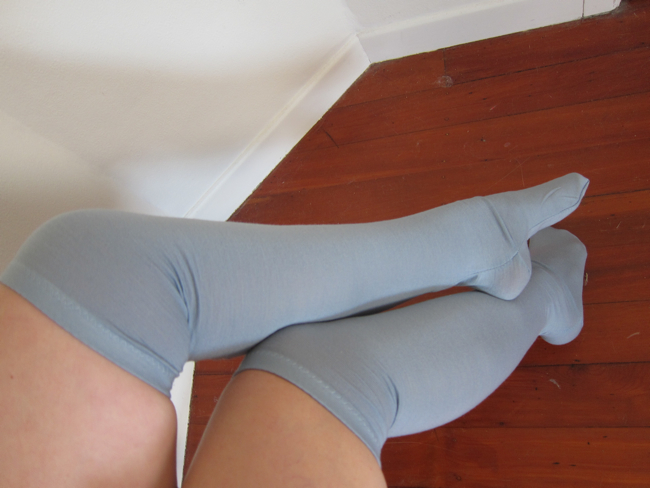
The Dreamstress 'Rosalie' stocking pattern thedreamstress.com

I also buy the occasional vintage piece, garment  by a local designer or op-shop piece because it is so beautiful.  Just because I can make almost anything doesn’t mean I can’t appreciate and utilise what other people have made!  And hey, I might not be able to find a fabric quite as fabulous.
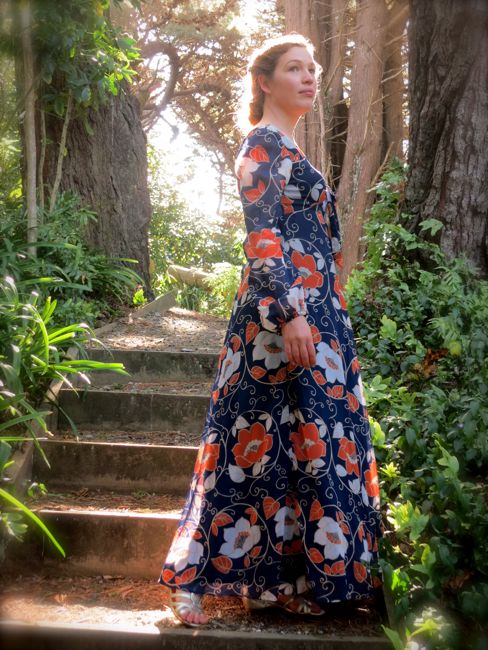
When I sew, I like to make things that are well made and will last for wear after wear, year after year, both in terms of durability and style.  When I buy, I try to do the same thing.  I don’t care what is fashionable, when I sew and buy I go for what I love – when what I like is ‘in’ in fabric and clothing, I stock up, and then when it isn’t I don’t buy.  I hope bird fabric is fashionable forever!
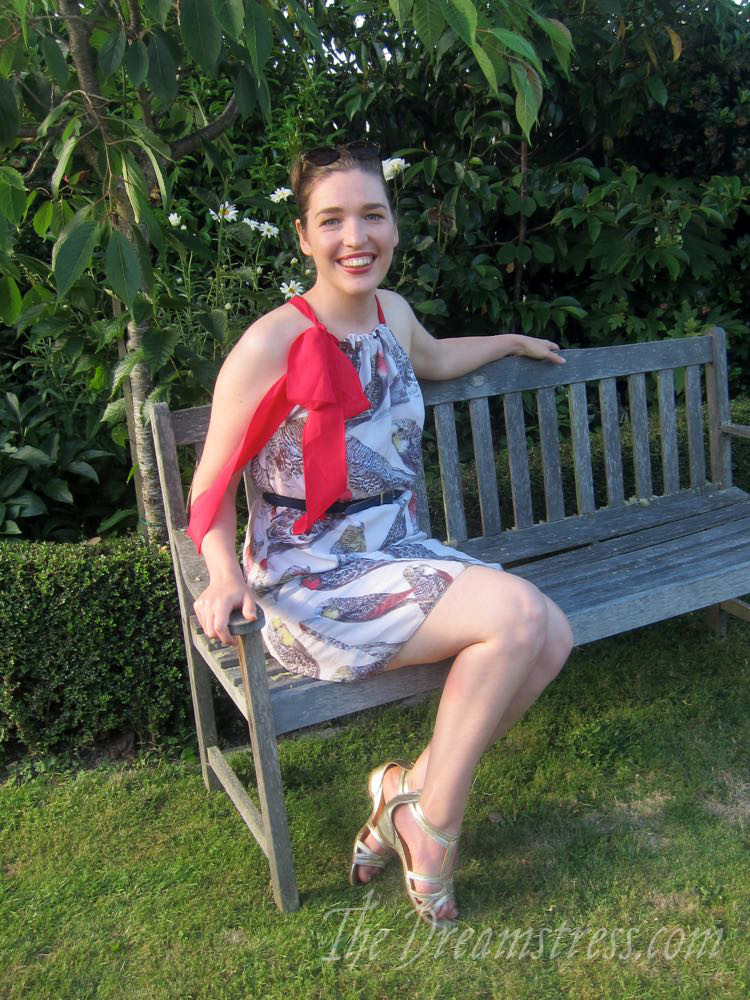
A Parakeet Sunfrock thedreamstress.com

My shopping habits aren’t perfect: I haven’t found an ethical bra that fits me properly, so I just buy the ones that do – even finding those is a hassle (Australian bra designers seem convinced that all women want their boobs squished together into the center of their chest, no matter what their band measurement is.  FYI bra designers, if someone is a 34B, a 9″ outside-cup to outside-cup measure is NOT going to be comfortable or attractive).

I also found a pair of brand-new-with-tags jeans in an op-shop that fit me perfectly, and are the only skinny jeans that ever have, and they are by Jay Jays (of all brands! Jay Jays is a cheap shop focused on 17 year olds), and it turns out you can still buy them, and I have.  I’m justifying it by telling myself that wearing Jay Jays jeans to death is still better than buying and then never being happy with and thus never wearing, more ethically made jeans.
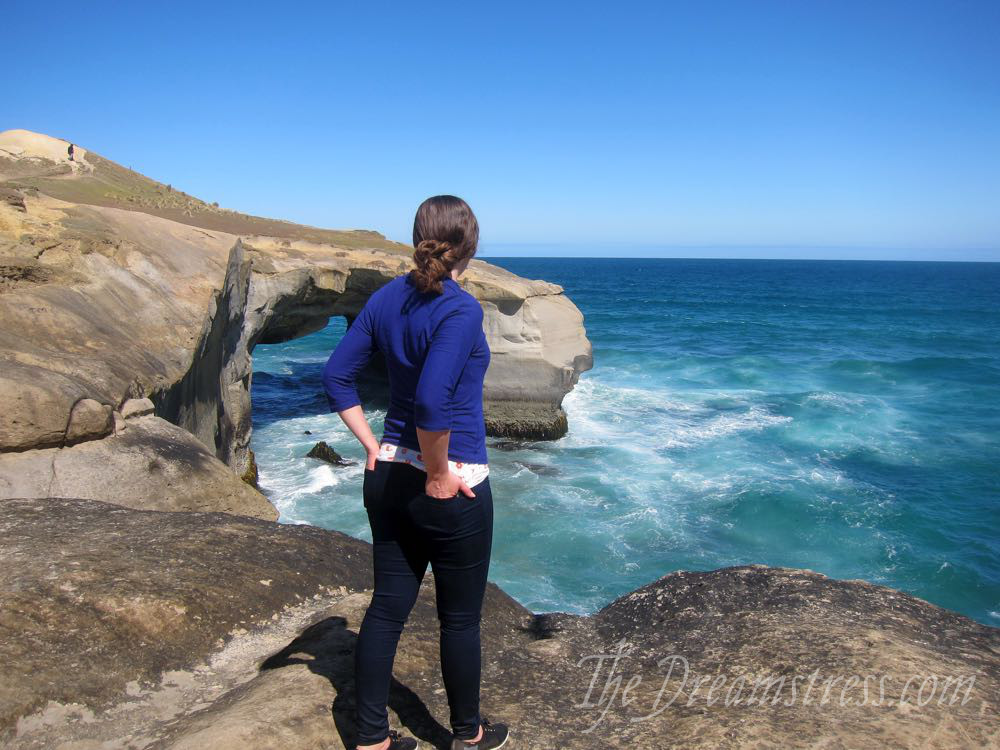
Tunnel beach, Dunedin thedreamstress.com

The infamous Jay Jays jeans at Tunnel Beach, Dunedin (with a me-made top and singlet camisole)

For me, while buying organic and ethically made clothes and fabric is nice, by far the biggest thing I, or anyone else, can do to reduce the carbon and human footprint of our clothes is to get as much life and wear out of them as possible.  I measure the impact of my clothes in cost-per-wear, and the more I can wear something, and the gentler I can be about laundering it, the smaller its impact on the world.

The best thing I ever did in terms of making myself sew all the time was the Sew Weekly: if you have to do it every week, you really learn how to buckle down, stop dithering, and make a thing.  And you learn to appreciate the basics in your wardrobe, rather than just the over-the-top fun stuff.  Today I’m lucky in that my job literally requires me to sew, though sometimes I feel like my wardrobe is shaped more by what I need to make as the latest class sample than by what I really want to be sewing and wearing at that moment!  I’m well beyond the Sew Weekly: I finish an average of two things a week, though they can be stuff for me, class samples, items for the home, and clothes and gifts for other people.

So what about you?  If you sew, how much of your wardrobe is me-made?  Do you want it to be more?  And what’s your philosophy about clothes and shopping?
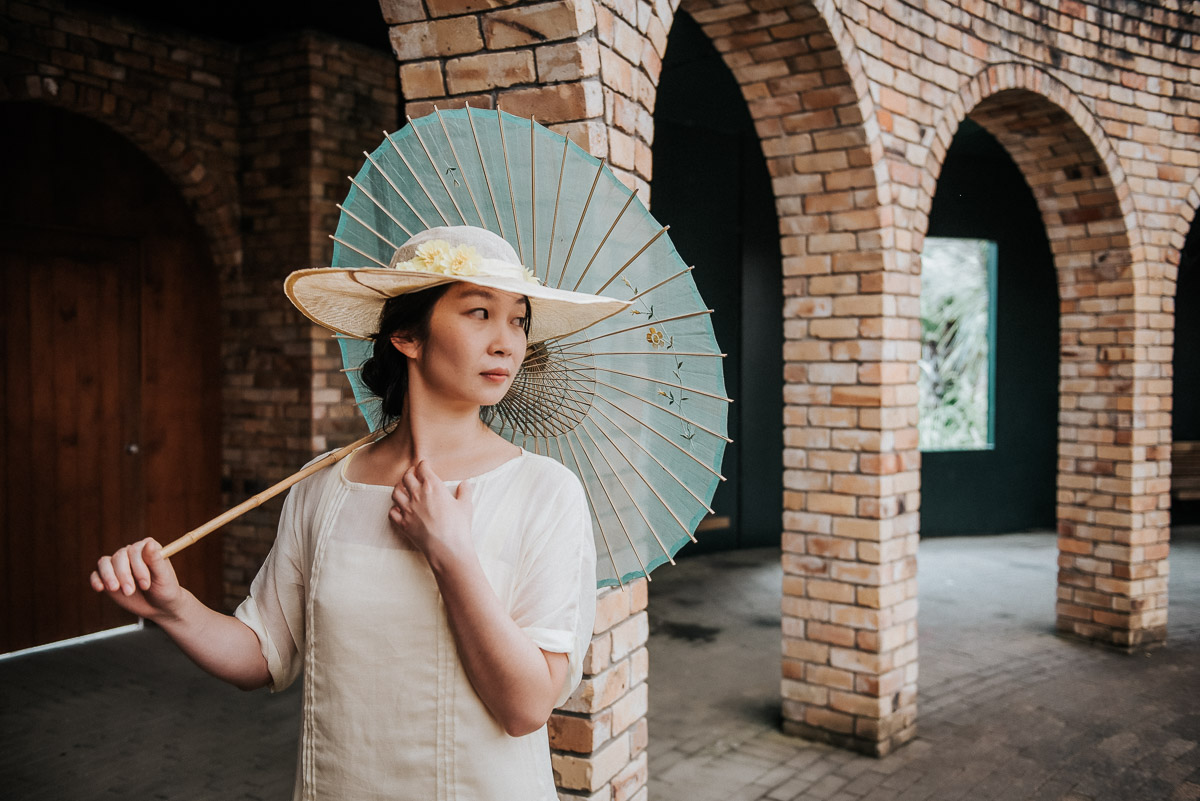
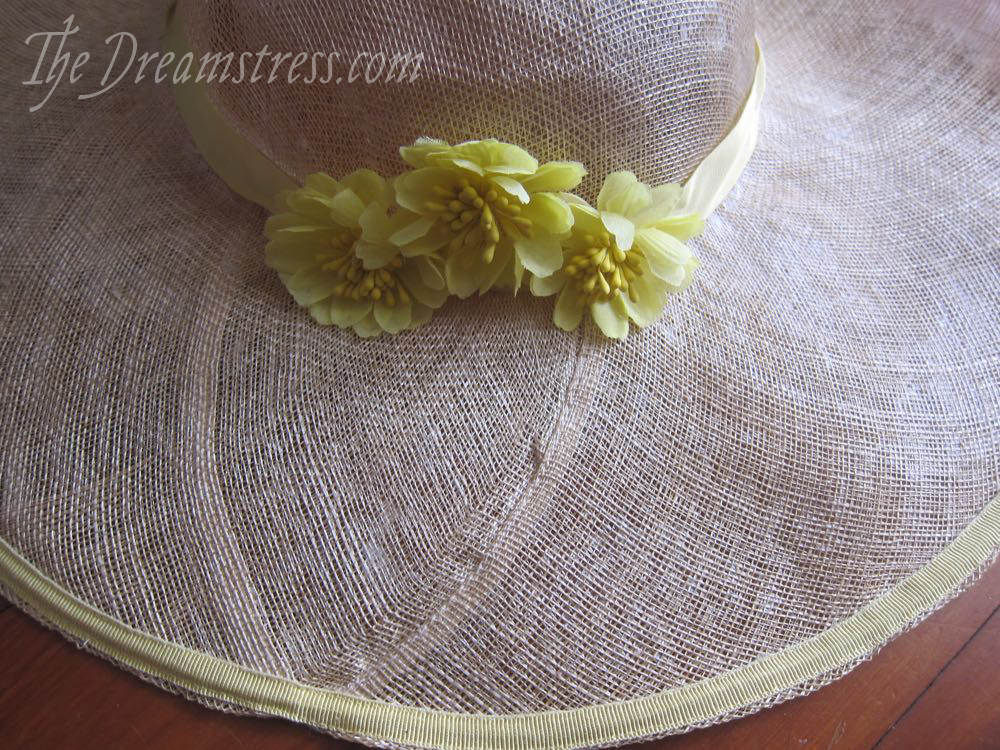
A ca. 1920 sinamay sunhat (and what is sinamay)

You may have noticed that I made a number of hats for the Mansfield Garden party, so it’s probably no surprise that some of them are showing up as entries for  the Historical Sew Fortnighly ‘Protection’ challenge.

Hats were essential fashion items throughout the first half of the 20th century, but they were also important for protection.  Sunglasses were extremely uncommon, and the wide brims of summer hats helped to protect the eyes from the sun’s glare, and also to protect the skin and preserve the pale, untanned complexions that were considered fashionable.

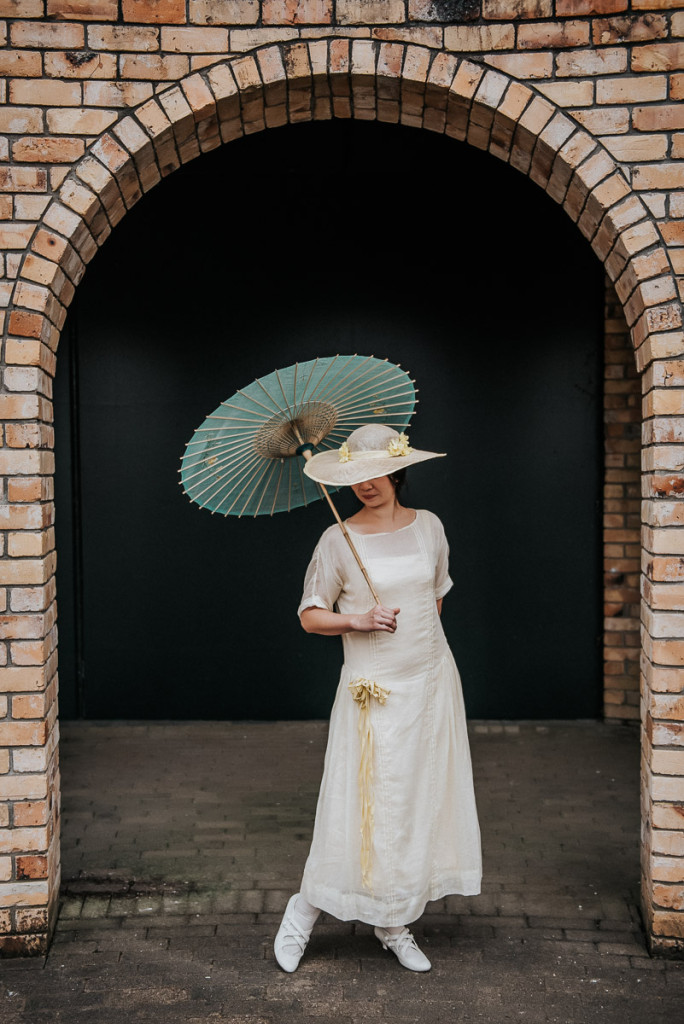
They work extremely well for both functions: I get terrible headaches if I don’t wear a hat or sunglasses, but with one or the other, I’m fine.  And New Zealand’s sun is notoriously harsh, but my models and I stayed happily un-sunscreened and un-sunburnt for a whole day out in the blaze courtesy of our hats (and parasols).

Courtesy of Tony McKay Photography and Glory Days Magazine

Courtesy of Tony McKay Photography and Glory Days Magazine

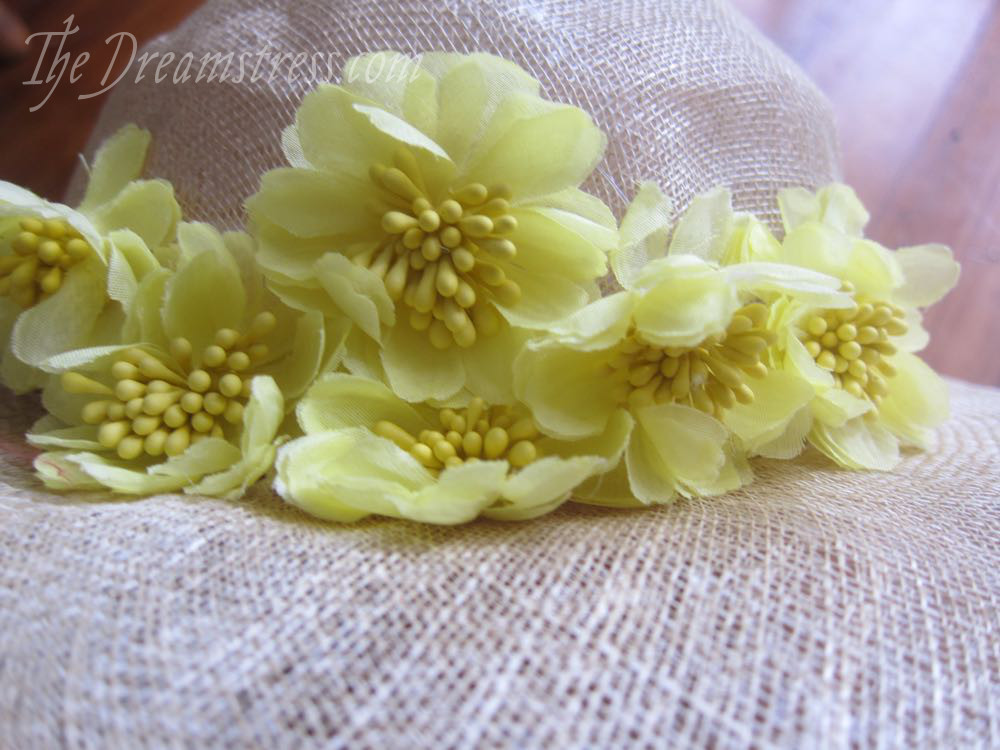
This particular hat represents the styles of hats worn in the very late 1910s and early 1920s.  It was also an experiment in some new millinery techniques for me, and unfortunately, I don’t think I ended up getting the shape quite right for my period.

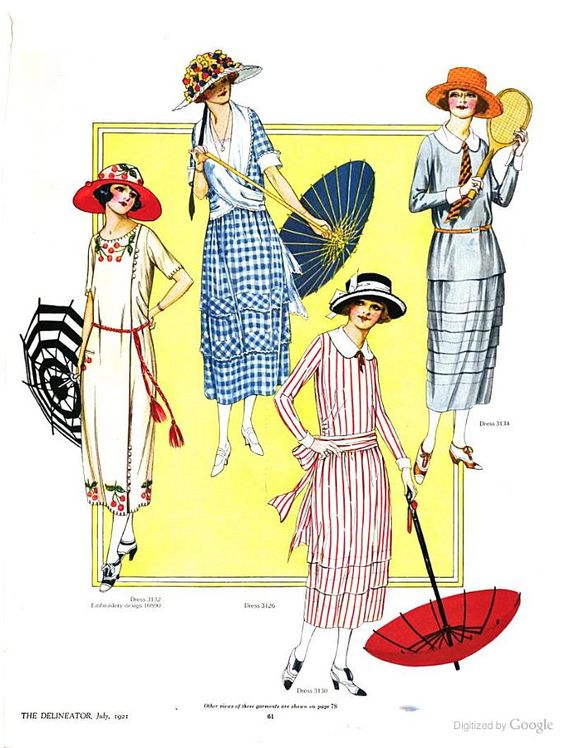
I was inspired by hats like the white one covered in flowers at the top of this photo (sadly, I was unable to find enough suitable flowers to cover the whole crown in them):

The Delineator, Fashions for July 1921

The Delineator, Fashions for July 1921

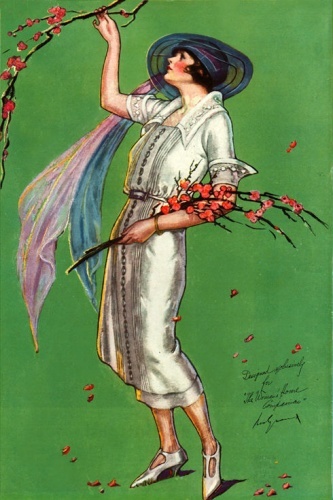
And the translucency of hats like this one:

White gown by Molyneuz - Illustration by Ruth Eastman, 1921

White gown by Molyneuz – Illustration by Ruth Eastman, 1921

For my hat, I used sinamay.  This was partly because I had an old sinamay hat in my stash that desperately needed re-making, and partly because Quinn made the most gorgeous 1920s sinamay hat  that I have been drooling over for the past year and a half.

Sinamay is a fabric woven from the fibres of the abacá, a kind of non-edible banana palm from the Phillipines.

This isn’t the right kind of banana, but if you look at this photo of apple bananas on my parent’s farm, you can see the brown, papery outer bark.  That bark has fibres in it, and the fibres can be stripped and used as threads.

A grove of apple bananas

A grove of apple bananas

To make sinamay the abacá threads are processed and sun-bleached, to improve their softness and whiteness, and then woven into a loose, open fabric.  Because the fabric is so loose and open, it’s easily shaped and blocked when damp.

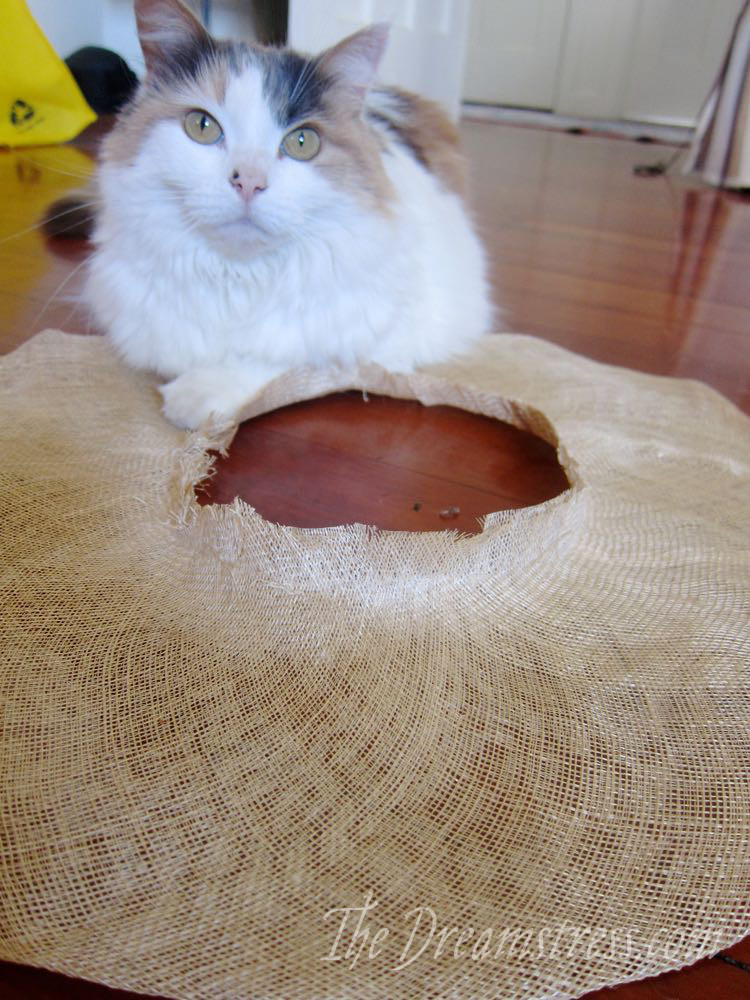
Felicity the cat thedreamstress.com

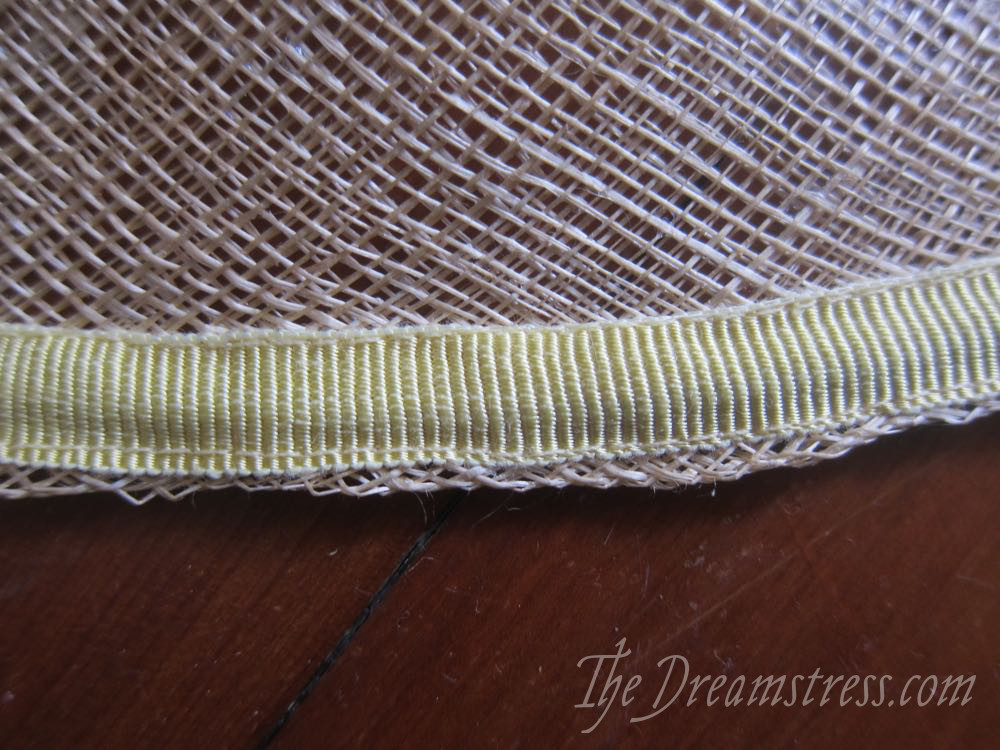
To make my hat, I separated the crown and brim of the original hat (they were already two pieces), shaped the brim to be large and flat (with assistance from Felicity as a hat-weight), shaped the crown to be round and shallow.  I then liberally sized both, to be stiff enough to hold their shape, as sinamay is naturally quite soft.

I used corn-starch for my sizing, but in the humidity and heat it softened up again, and the crown warped slightly.  I’ll have to re-shape it again.

Making a 1920s sinamay sunhat, thedreamstress.com

Despite how light and delicate it looks, the hat is actually very robust.  The threads from an abacá are extremely tough: it’s one of the strongest natural fibres in the world, and is sometimes called manila hemp.  Because it’s so strong, it’s often used in making rope and paper (particularly for money).  You almost certainly have something around the house made from it.

Abacá ranges from very coarse to quite fine: the rougher threads come from the outermost layers of banana bark, the finer threads from the inner layers.  Sinamay is made from the inner layers, and is just one kind of cloth made from banana fibres that the Phillipines made historically.  While basic abacá went through only the simplest processing, more elaborate processes resulted in higher grades of fabric, which were used for clothing locally.  Sinamay was actually a coarser cloth, while some, like tinampipi, were extremely fine.

Making a 1920s sinamay sunhat, thedreamstress.com

Abacá, along with sugar, was one of the Phillipines two main export crops at the turn of the 20th century.  It had supplanted hemp, sisal and NZ flax as the most desired fibre for rope due to its strength and cheapness.  In 1905 alone 128,564 tons of abacá  were exported from the Phillipines, more than  half of it to the US.

Abacá was definitely common and abundant in the West during the first quarter of the 20th century, but what about sinamay?

Sinamay has become a popular material for hats, but only fairly recently.  The open-weave and lightweight fabric make it easy to shape over hat-mold, resulting in light summer hats, without the hassle of re-sewing hat braid into the correct shape.  However, this popularity is very recent.  It’s claimed that it was  introduced into millinery in Australia only in 1990, and I’m pretty sure I’ve never encountered hat of woven sinamay that was earlier than the 1980s.

However, sometimes what we consider a new thing, or an introduction, is just the return of something that was previously used, but has been forgotten.  In the 1940s (and possibly earlier) Abacá  was made into braid which was exported to the West and fashioned into hats.  They were called hemp hats, and most sellers and wearers may not have realised that the hemp was manila hemp, not actual hemp.  Abacá is, of course, much coarser than sinamay, and a braided hat is very different to a shaped woven-cloth one.  I’ve found mentions of ‘one piece hats shaped in the Philippines’, but unfortunately they are modern quotes which don’t give any idea of dating, or what these hats actually looked like.

Making a 1920s sinamay sunhat, thedreamstress.com

At the 1904 St Louis World’s Fair it was proposed that in the Philippines exhibition   “‘Native manufacturers” would make sinamay, tinampipi, pifia, and jusi cloth, while others would demonstrate the making of ‘hats and mats and other fine braided ware…'”.   The Philippines exhibition was one of the most popular at the World’s Fair (to the point where the participants were essentially kidnapped and forced to participate in subsequent fairs, rather than returning home), but the general  focus was far more on their ‘exotic’ ‘otherness’ and shock-factor demonstrations like eating dog meat than on artistic crafts.  Were some of the hats from sinamay?  Did some visitors see past the colonialist and ethnocentric overtones to the possibilities of the materials the native craftsmen were working with?

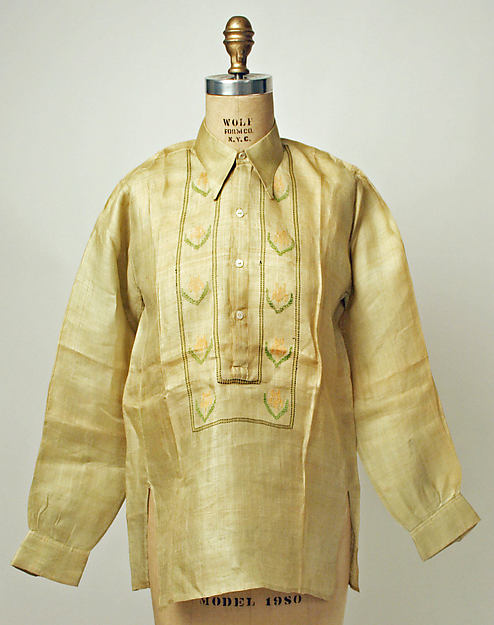
Various items of sinamay clothing were definitely brought back from the Phillipines by visitors throughout the first half of the 20th century, like this sinamay shirt at the Metropolitan Museum of Art.

Even if sinamay hats weren’t made in the West, it’s possible that fashionable hats in the Western style were made in the Philippines.  Western fashions were becoming the de-facto wear of the elite all over the world, but they were often re-interpreted slightly using local materials.  There are definitely 1920s dresses in the most-up-to-date styles made in the Philippines, for local wear, out of piña cloth (banana fibre cloth).  So a fashionably 1920s sinamay hat is not completely unrealistic.

If there were sinamay hats in the 1920s,  I suspect it is more likely that they were made from braided fibres, rather than woven fabric which has been blocked and then sized to add stiffness, which is how I created my hat.  Woven braiding is a much stronger, and more common, method for creating summer hats historically, and most of the open, lacey hats of the ‘teens and early 1920s I can find were created using this method.

Making a 1920s sinamay sunhat, thedreamstress.com

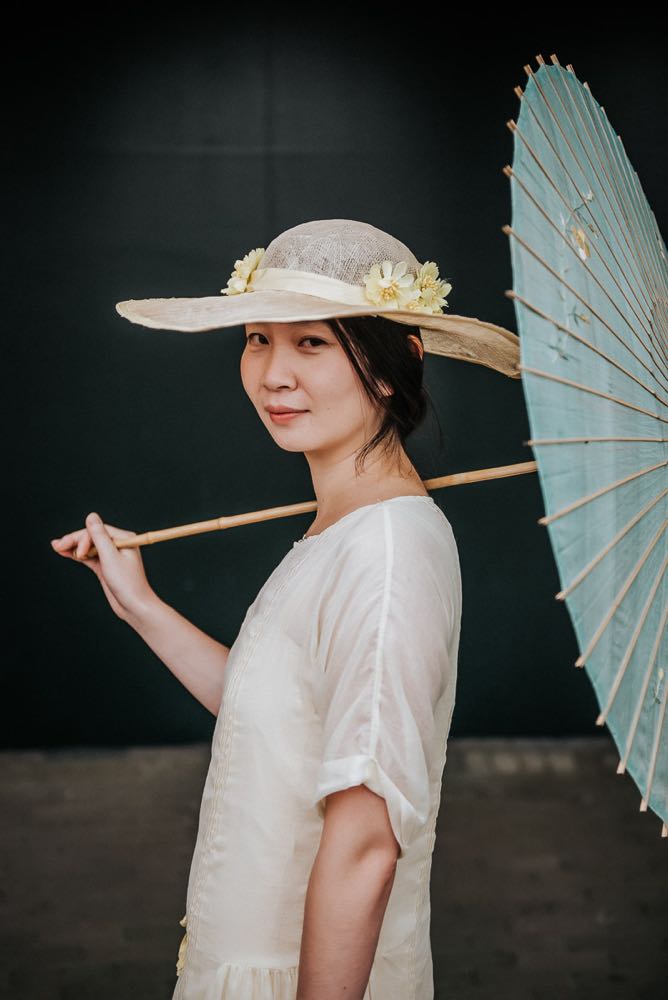
Ultimately,  I’m calling my sinamay hat historically improbably, though it’s not entirely impossible.  It does give the right effect, and serve its function of shading the eyes and skin, and looks smashing on the model, so that’s a win!

Courtesy of Tony McKay Photography and Glory Days Magazine

Courtesy of Tony McKay Photography and Glory Days Magazine

Sources:

Bailey, L.H. Cyclopedia of American agriculture, 2nd edition.  New York: The MacMillan company.  1909.

Dewey, Lyster Hoxie. Fiber production in the western hemisphere. Washington: United States Department of Agriculture. 1943.

Hendrickx, Katrien. The Origins of Banana-fibre Cloth in the Ryukyus, Japan. Leuven University Press, 2007

Kramer, Paul Alexander. The Blood of Government: Race, Empire, the United States, & the Philippines.  Chapel Hill: The University of North Carolina Press.  2006.

Rate the Oscars 2016

It’s time for my usual break for Rate the Dress, where I take charge and Rate the Oscars.

I almost didn’t do it this year, because most of the dresses were so boring or awful, but after my impassioned defence of the importance of clothing last year, well…I kind have to.

I’m only rating women this year because I told myself I could only do this post if I could write it in under an hour, and so I needed to draw some parameters.

First off, the only dress that even came close to being a full 10/10 for me this year:

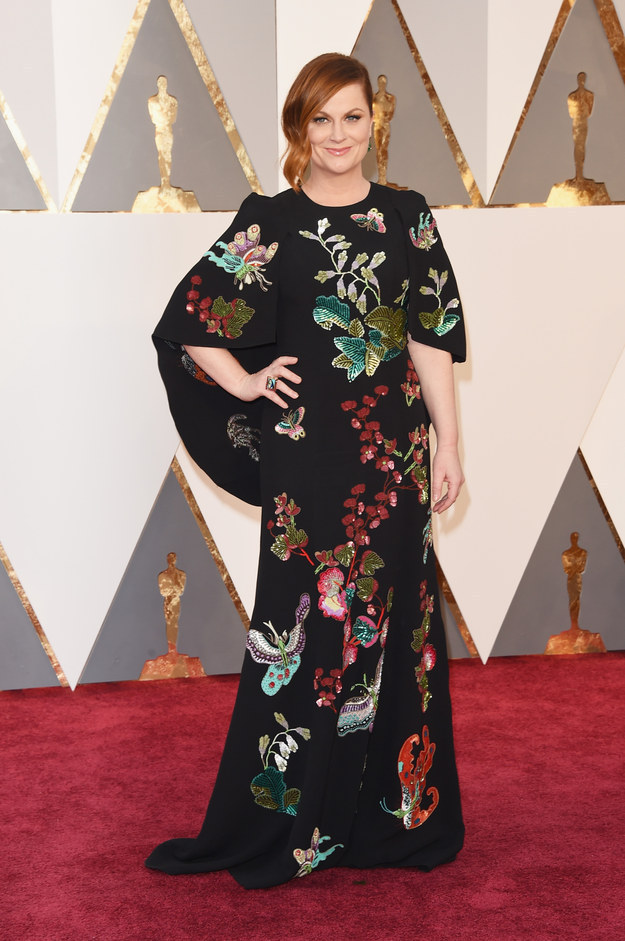
1Amy Poehler

I know Amy Poehlers  dress hasn’t gotten the best reviews elsewhere.  I know it’s been called a muumuu.  I still think it’s FABULOUS.   There whole skin/exposure/sexy thing has been SO overdone for the last two years that the only way to really look interesting anymore is to not show any.  This dress manages to skim her figure and show how good it is without being skin-tight, is fantastically bold and interesting without taking anything away from her face, and is such a breath of fresh air after the 18gazillion black, white, red, and maybe pastel-or-glitter dresses on the red carpet.  Also, it looks comfortable.  Plus, I doubt Amy knows this, but in traditional Chinese embroidery the flying beauties on her dress are not butterflies, but moths, and a moth covered dress is such a cool concept.  Plus, though her dress seems short on peonies, in the same traditional embroidery the moth being attracted to the peony is about fertilization – i.e. just what you think it is.  So, still totally over the top sex-y, just with a complete wink and nudge.  FABULOUS

Ahem.  I think I may need to move on.

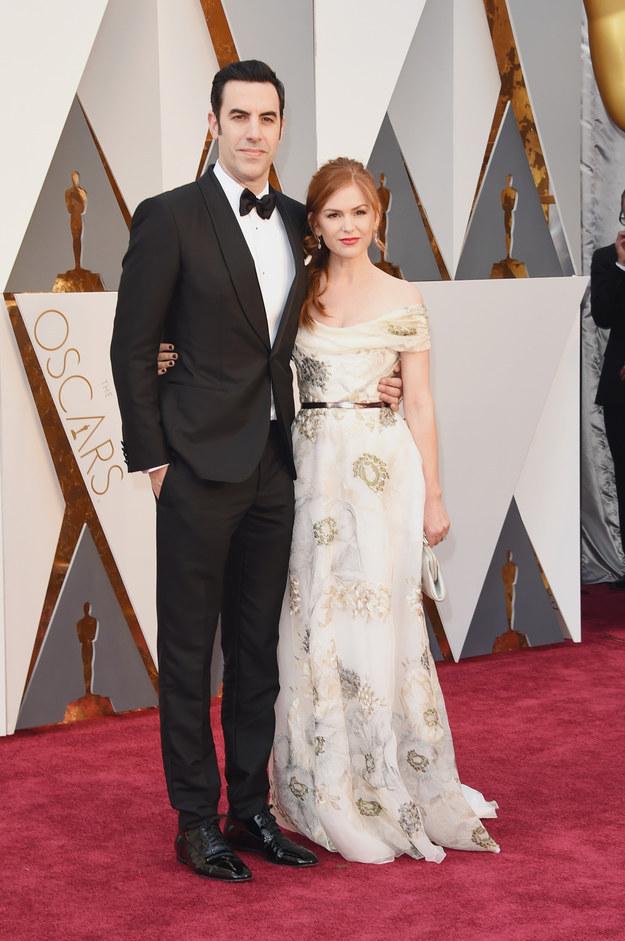
1Isla Fisher

9/10 for Isla Fisher’s interesting, flattering, well balanced, not-boring (by the standards of the night) dress.  It would be twee but for the belt, and the belt manages to give it edge without clashing.  I desperately want a few meters of that fabric!

Now this is where it gets hard, because…

There is no 8.

Or 7.

Or 6.

Just a sea of 5 and under superhero costumes, or the warped creations of their mutant enemies.  Or the unattractive-yet-heroic mutant superhero outfits.

OK, maybe I’ll give Sandy Powell an 8 for totally embracing the theme of evil super-villan:

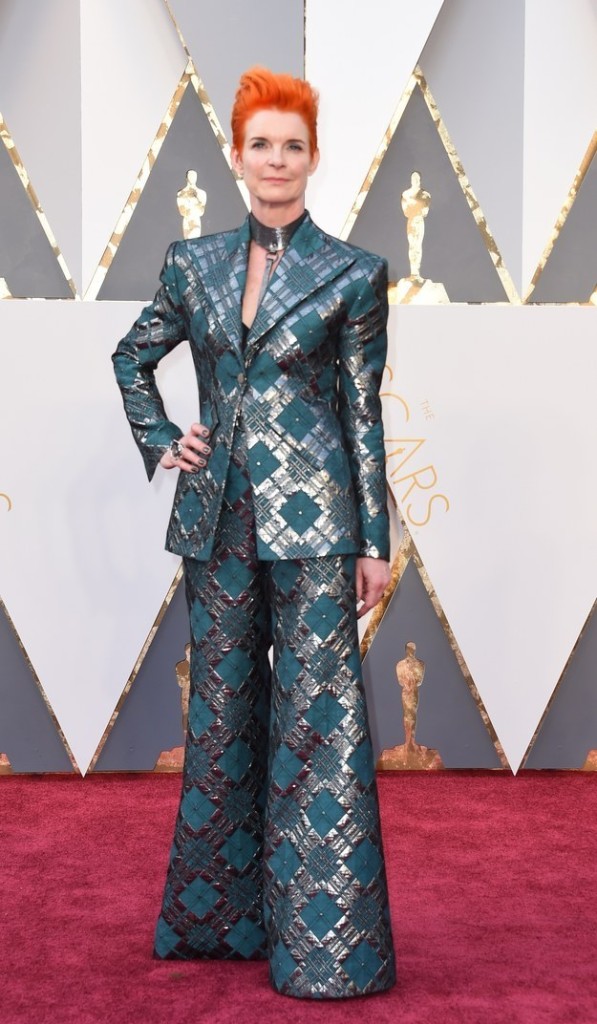
1Sandy Powell

I mean.  Look at her.  Sandy Powell knows that the whole red carpet glamour thing is going to be ridiculous on her, and anyway, she’s a costume designer so she should just pick a persona and GO with it, and she clearly went with evil supper-villan-ess.  I bet her suit is fireproof!  I bet her hair actually lights on fire when she uses her powers!  I bet she can fire laser-bolts from that ring!  I bet her necklace can be thrown around the necks of her enemies and choke them of its own accord!  You know she has no feet-just blocks to trample the unwary with.  It’s so awful it wins an 8 for self-aware awfulness.

Our Villains:

Powell’s  henchmen include:

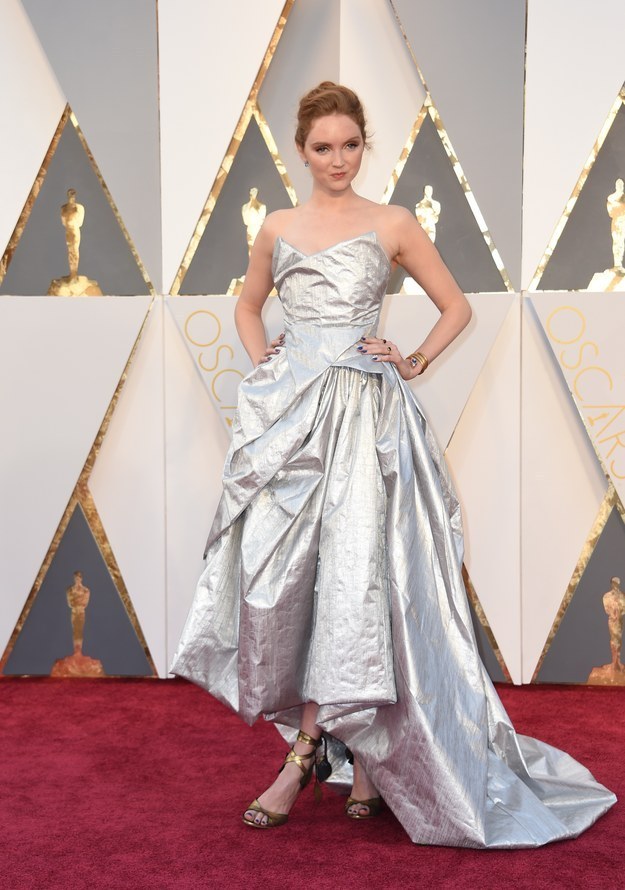
1Lily Cole Tin Foil

Lily Cole As Lin Tin Foil.  Giver of mean papercuts, and able to make a sound that makes you long for fingernails on a chalkboard.  Also, always out when you want her.

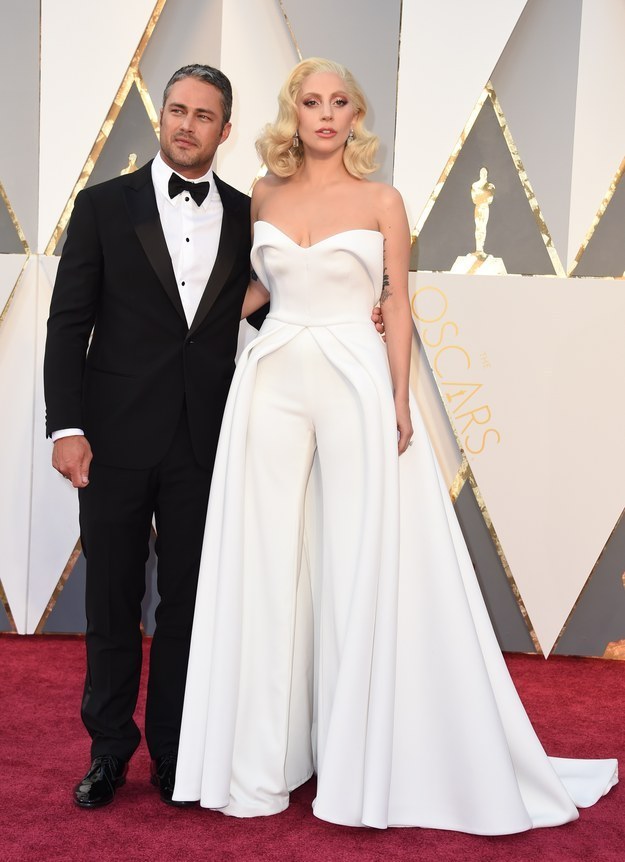
1Lady Gaga melted plastic

Lady Gaga as Lady Mel-Ted Plas-Tic.  I’m pretty sure her super-power is being able to duplicate herself, but at the end of the day she has to melt down the duplicates, like that Dr Who episode.  But she turns all the melted down duplicates into computer chargers and cases (I’m looking at you Apple) which slowly infect their users.  Unfortunately, as she duplicates and melts herself her original body slowly begins to melt away, which explains the boob and bodice situation.

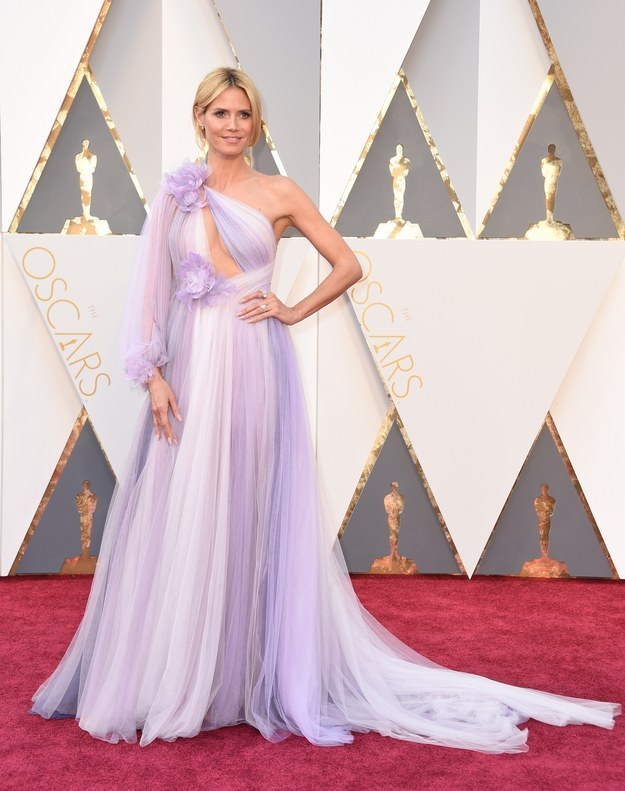
1Heidi Klum

Heidi Klum as Saccharissa SugaRita Easter-Vomit.  Her pastel-toned tentacles  creep out and wrap you in sugary sweetness, slowly dissolving you until all that is left is a poisonous, sugary syrup.

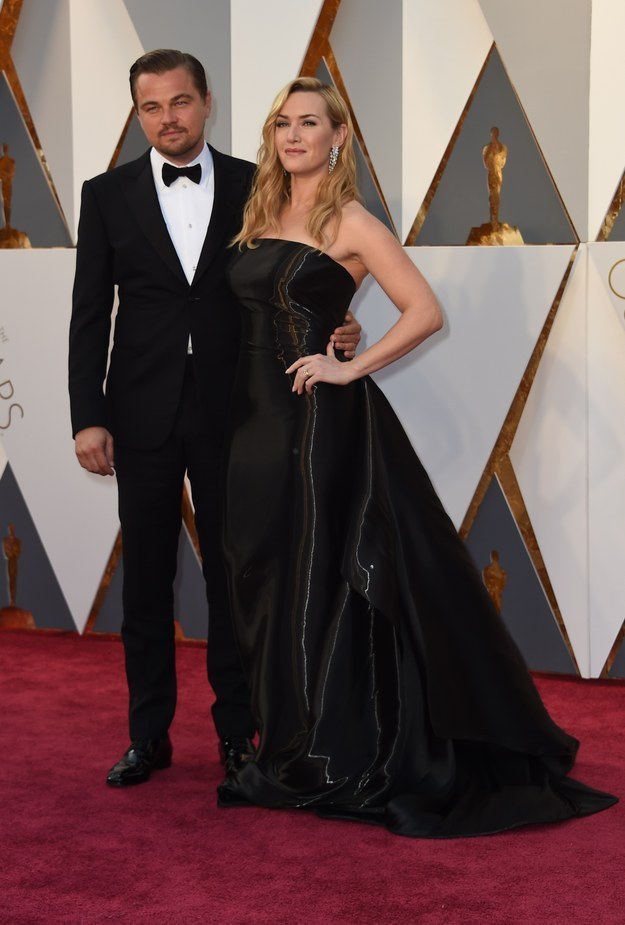
1Kate Winslet as Oil Spill

Kate Winslet as Titanicia Oil-Spill.  Her weakness is birds.  Particularly waterbirds, like penguins, and cormorants.  It explains a lot about her.

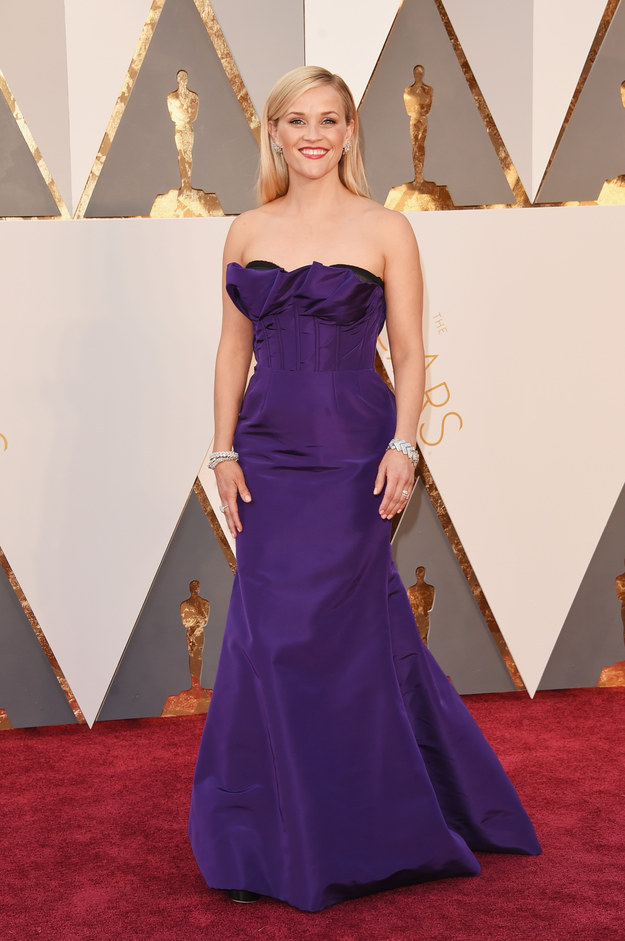
1Reese Witherspoon

Reese Witherspoon as Bustee  Basilisk  Boobs.  What’s behind those flaps of fabric with literally freeze the marrow in your bones.

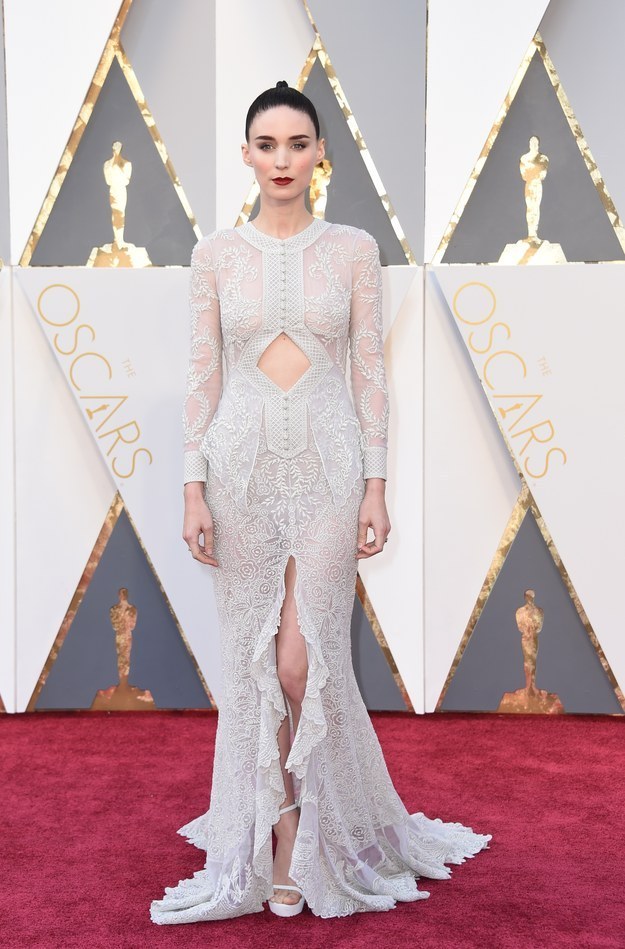
1Rooney Mara

Rooney Mara as the dis-Honourable  Lacey Gentlee Wafting-Curtains.  Having left the ELE, she’s now top henchman in Powell’s Awful Band of Awfulness. Her goal is to trade up in the Super-villain leagues, and every time she does, the diamond on her chest gets larger.  Her goal is for it to get big enough that she can face Superman, and they can have a ‘whose-random-geometric-shape-shield is larger contest’.

Our Un-Heroes:

Facing Sandy Powell and the Awful Band  of Awfulness are a ragtag band of B-grade superheros and mutants, like:

1Sunrise Coigney

Sunrise Coigney as a late 1990s Kung-Fu Wrestlemaster computer heroine brought to life in the real world.  Technically, she should be able to subdue her foes with anatomically improbably head-high force-kicks, and super-special master-chops, but rendered in fabric and flesh her legs always get caught in her skirt and she spends more time trying to keep her bodice from falling off her shoulders.  If she can’t win her next fight she will loose her Pixel-World Championship Lady Fighter Master-Grunt belt.

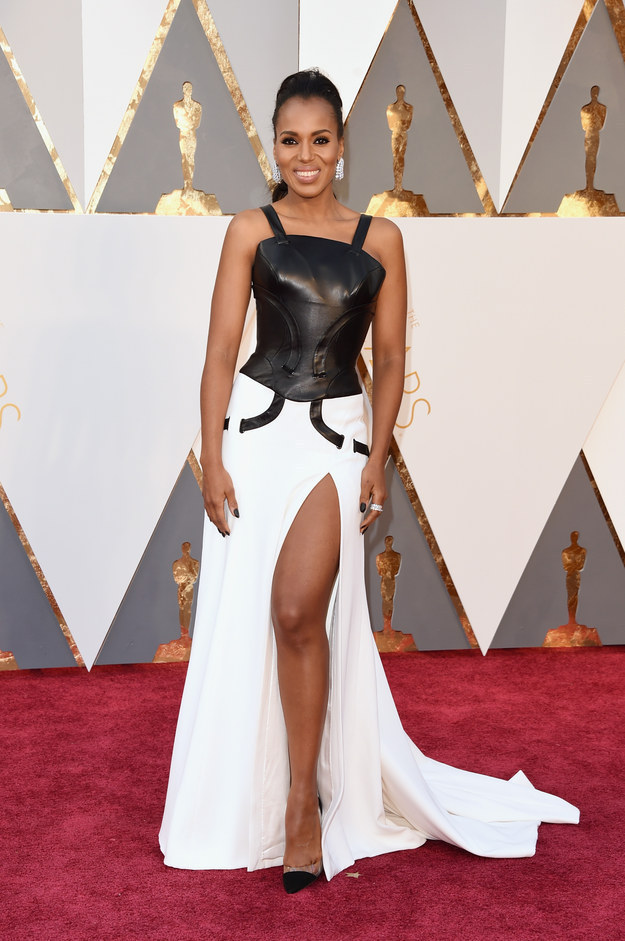
1 Kerry Washington Mutant

Kerry Washington as mutant Miss Universe Potato-Head.  All of her body parts can be rearranged, but the never go back on quite-right, so her legs and head and torso all sit at improbably angles.

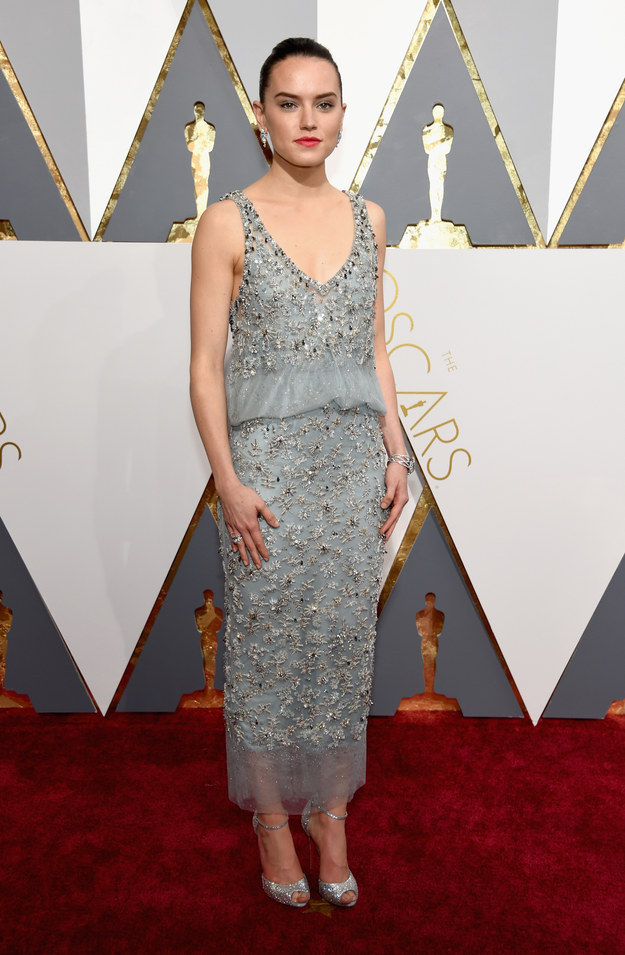
1Daisy Ridley

Daisy Ridley as the Incredible Accordion Girl.  Her middle half fold up like an accordion, or stretches out when needed.  She can go down stairs like a slinky.

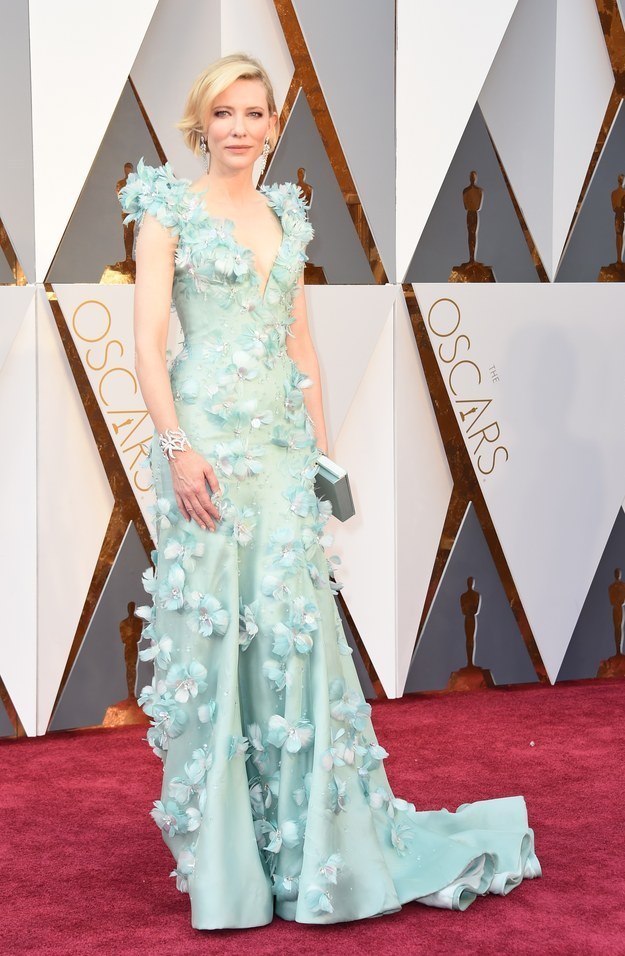
1Cate Blanchett

Cate Blanchett as Wonder Crafter, the Goddess of the Glue Gun.  Saccharissa Suga-Rita is her mortal enemy, but no matter how hard she tries, she just can’t glue down her frothy tentacles.

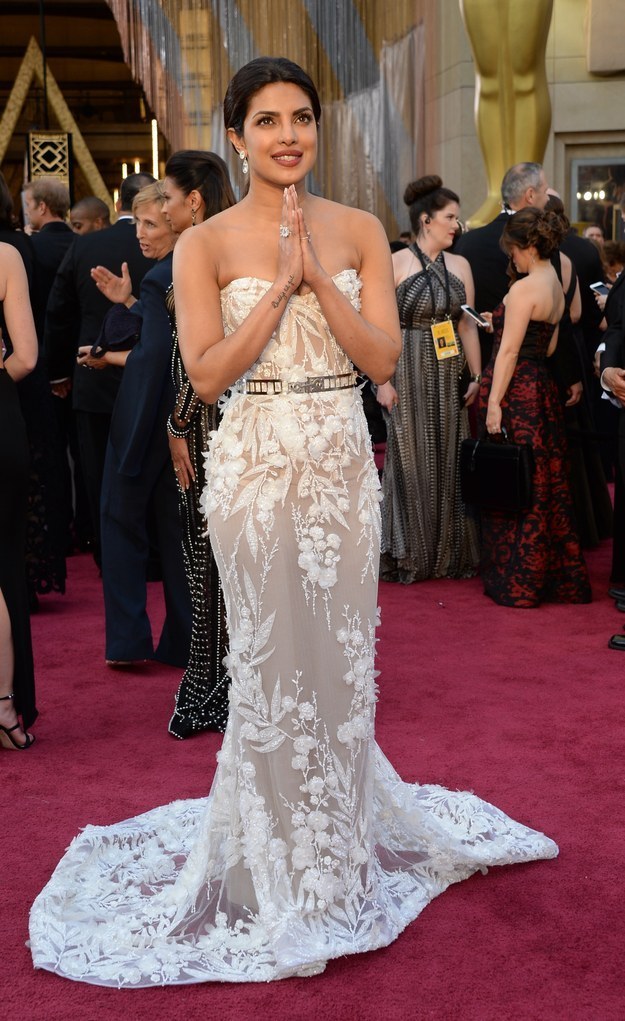
1Priyanka Chopra

Priyanka Chopra as The Bride in Two Parts.  Unsnap her belt and she  comes apart at the waist so that both halves can crawl off to attack the enemy.  It’s not the most efficient fighting strategy.  She was supposed to be an inter-connected trilogy, so that her head, torso, and legs could all go off on their own, attached by her magical lining, which would allow her to swing the disconnected bits on long elastic lassoes of lining, to whack and catch the bad guys,  but something went wrong with her lining-layer, and instead of stretching as intended it just bunches up at her midriff.

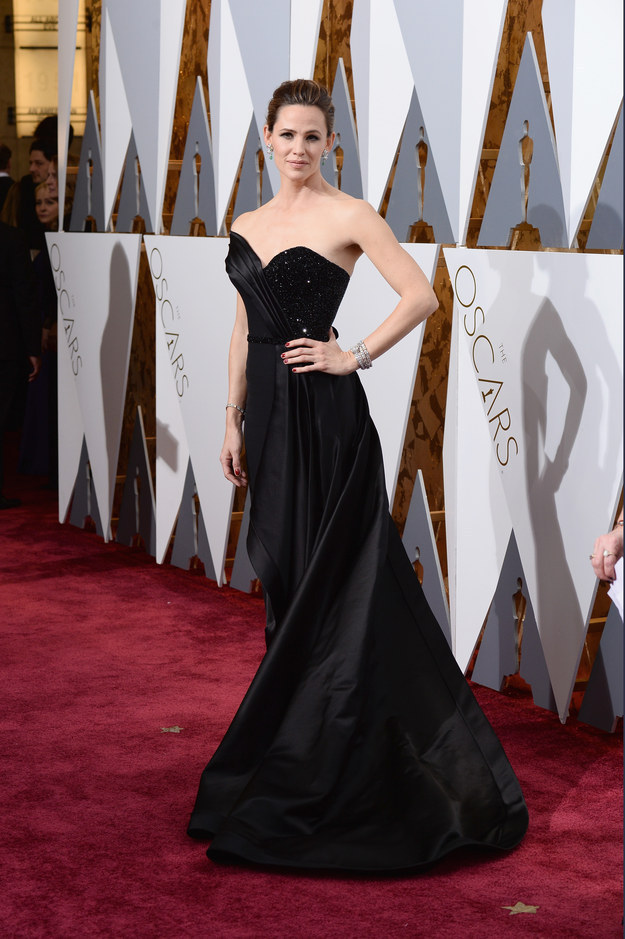
1Jennifer Garner

Jennifer Garner as Glamour Woman.  No one is sure what her superpower is, but they all admit she has the best costume.

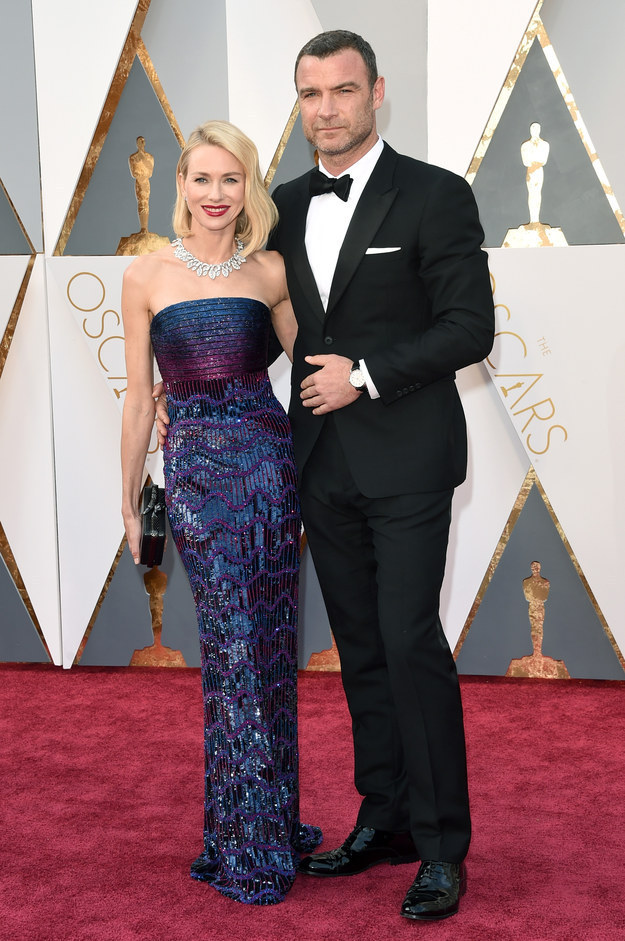
1Naomi Watts

Naomi Watts, who is actually just an ordinary glamorous actress on the red carpet, but no matter what she does everyone assumes she’s a superhero based on her dress, so she’s stuck pretending to be Electra von Disco, and claims that her dress can blind everyone with its scintillating lights, and send sonic shock waves through the air, but it was really just a bad dress choice for the night.

Crap.  We’re doomed.