Latest Posts

Rate the Dress: 1870s florals & stripes

Poor Lanvin!  Apparently fancy dress isn’t her thing.  Despite the beautiful gold lace and luscious orange silk (I can’t believe some of you didn’t like the fabric!) her Byzantine/Stuart/Turkish Elizabethan/Restoration/What the Heck is It fancy dress frock rated a dismal 5.2 out of 10.

This fortnights HSF theme is Gratitude, which isn’t very helpful as guide to picking Rate the Dresses.

When I was looking for inspiration for the HSF Pink Challenge I came across this dress, which has been in my ‘Rate the Dress’ inspiration folder for ages.  Right now I’m just grateful for such an easy pick: it’s been a full-on few weeks for me!

It’s really a pity that there aren’t more images of this dress – the close ups are fascinating, and there are so many hints of amazing details in the overall image, but this is all we see:

Detail of bodice, ca 1875, Bunka Gakuen Museum

Detail of dress bodice, ca 1875, Bunka Gakuen Costume Museum

What do you think?  Do you like the unusual-but-obsessively matched fabrics?  The stripes and florals and bows?

Rate the Dress on a Scale of 1 to 10

Historical Sew Fortnightly ’14 Challenge #3: Pink

Just in time for that rosiest and most romantic of holidays, the theme of the Historical Sew Fortnightly Challenge #3, due Sat 15 Feb, is Pink.

Pink is an interesting choice for a historical based colour challenge, because pink is, in itself, a fairly modern concept as a colour in the West.  More than a few hundred years ago, the shades that we might term pink were considered variants of red or brown.  To make pink even trickier, when you look at older garments and older illustrations of garments, it’s hard to tell if a fabric was intended to be a pinkish tone, or has faded to that from brown or red.

So, in choosing inspiration for your pink item, and your pink materials, you’ll have to use your own discretion to decide if your colour is a shade of pink, and if that pink would have been appropriate to your timeperiod and the status of the wearer, as such things matter to you.

To give you a jumpstart, I’ve created a pinterest board of rosy-hued fashions (or at least ones that I consider pink).  It runs in roughly chronological order backwards in time – so far I’m only up to the end of the 18th century, but don’t worry – the last 145 years of HSF eligibility will be covered soon!

For now, here are a few of my favourite pink pretties:

You’ll remember Margaret of Anjou in her pink cloak, though the ensemble as a whole wasn’t very popular with many of you:
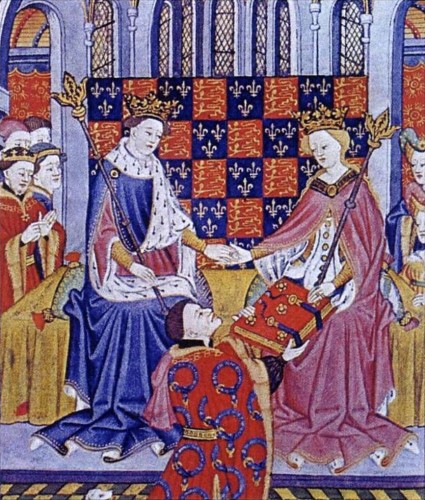
John Talbot, 1st Earl of Shrewsbury, presents the Book of Romances (Shrewsbury Book) to Margaret of Anjou, wife of King Henry VI, circa 1445 by the Talbot Master

John Talbot, 1st Earl of Shrewsbury, presents the Book of Romances (Shrewsbury Book) to Margaret of Anjou, wife of King Henry VI, circa 1445 by the Talbot Master

At least Margaret’s cloak is definitely pink, not just faded red.  It’s harder to tell what the shades of clothing in Domenico Ghirlandaio’s masterpieces were meant to be, but I hope at least some of the rosy shades in this work are close to his original vision, as they are so very fetching:

Domenico Ghirlandaio (Italian artist, 1449—1494) Detail from Birth of St John the Baptist

Domenico Ghirlandaio (Italian artist, 1449—1494) Detail from Birth of St John the Baptist

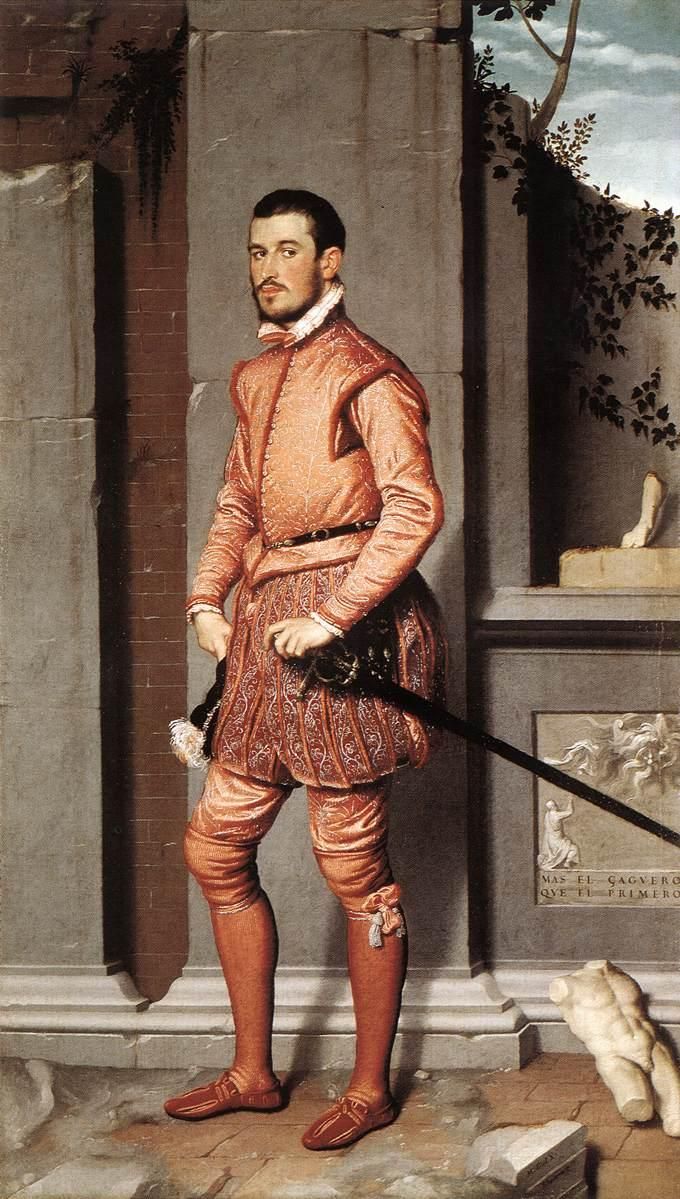
Pink was extremely fashionable throughout the Renaissance and into the Baroque, for men and women alike.  I would LOVE to see Mr D in something like this:

The Gentleman in Pink, Giovanni Battista Moroni , 1560

The Gentleman in Pink, Giovanni Battista Moroni , 1560, via Wikimedia Commons

I think this portrait of Mary, Queen of Scots is adorable.  It’s like an Elizabethan valentine!  Unlike her life, of course.
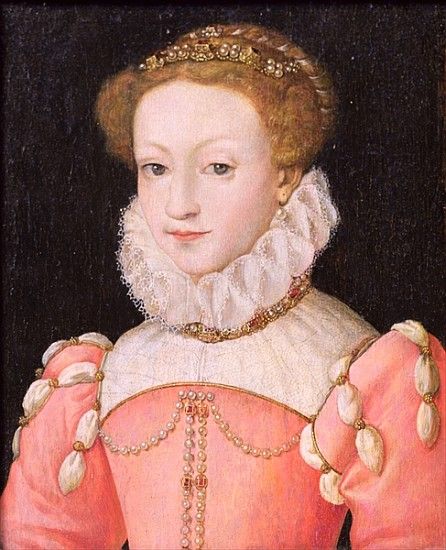
Mary Queen of Scots, 1553, François Clouet

Mary Queen of Scots, 1553, François Clouet

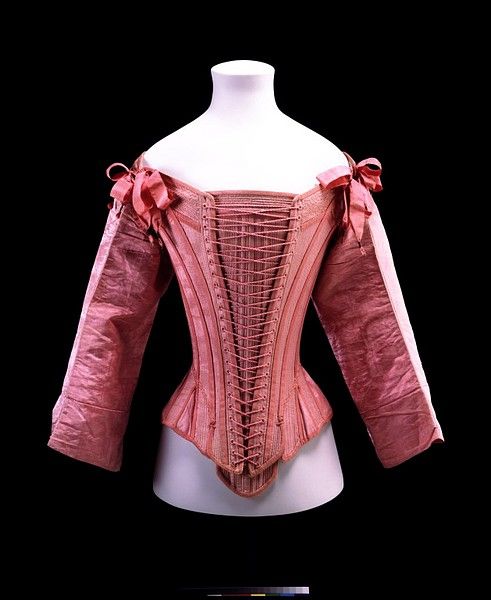
Due to the popularity of pink in the 17th century, there are some amazing pieces of extent clothing in equally amazing shades of pink:
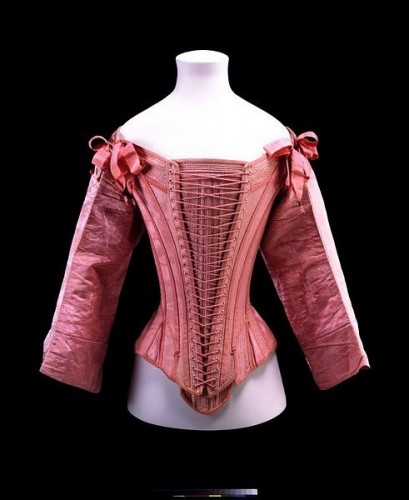
Stays with sleeves 1660-70 Victoria & Albert Museum

Stays with sleeves 1660-70 Victoria & Albert Museum

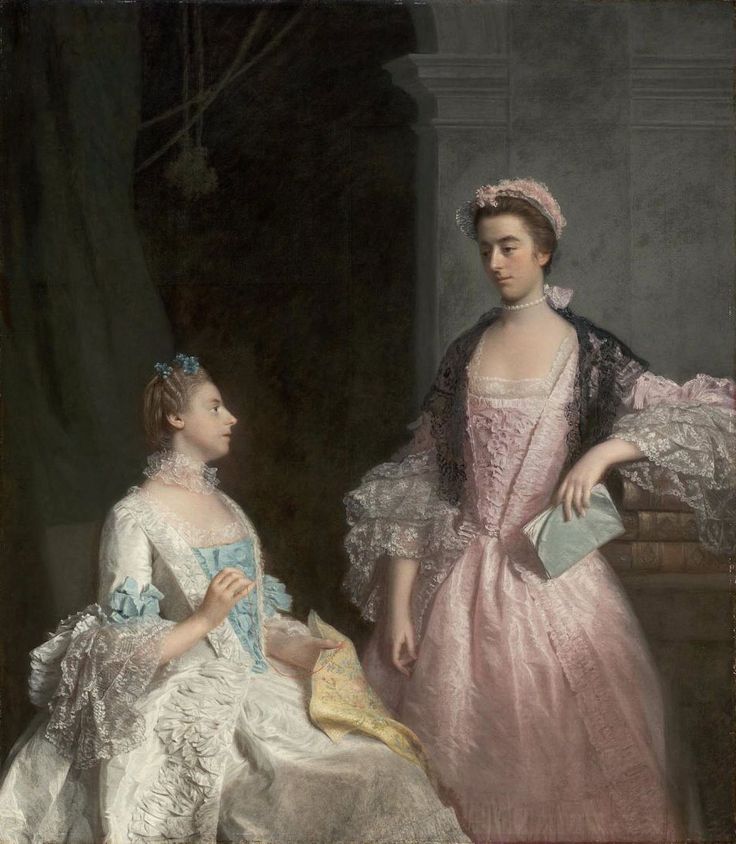
The 18th century is pretty much pink, pink, and more pink.  It’s so easy to find pink 18th century inspiration, with shades ranging from rich rose:

To lilac-pink:

Portrait of Mrs. Laura Keppel and her Sister Charlotte, Lady Huntingtower (1765). Allan Ramsay (Scottish, 1713-1784). Oil on canvas. Museum of Fine Arts, Boston

Portrait of Mrs. Laura Keppel and her Sister Charlotte, Lady Huntingtower (1765). Allan Ramsay (Scottish, 1713-1784). Oil on canvas. Museum of Fine Arts, Boston

To cherry-blossom pink:
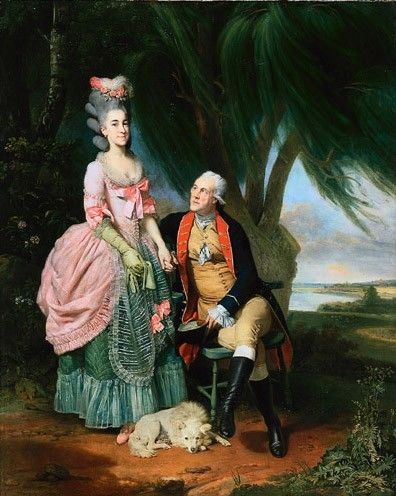
Johan Zoffany, Miss Wilkes (1782) in a pink and green polonaise gown

Johan Zoffany, Miss Wilkes (1782) in a pink and green polonaise gown

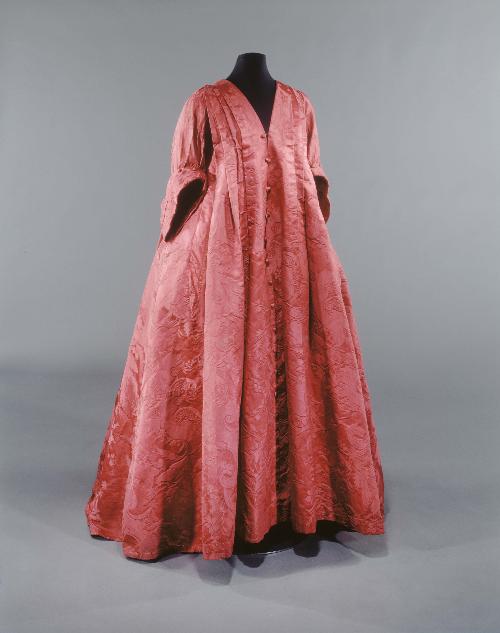
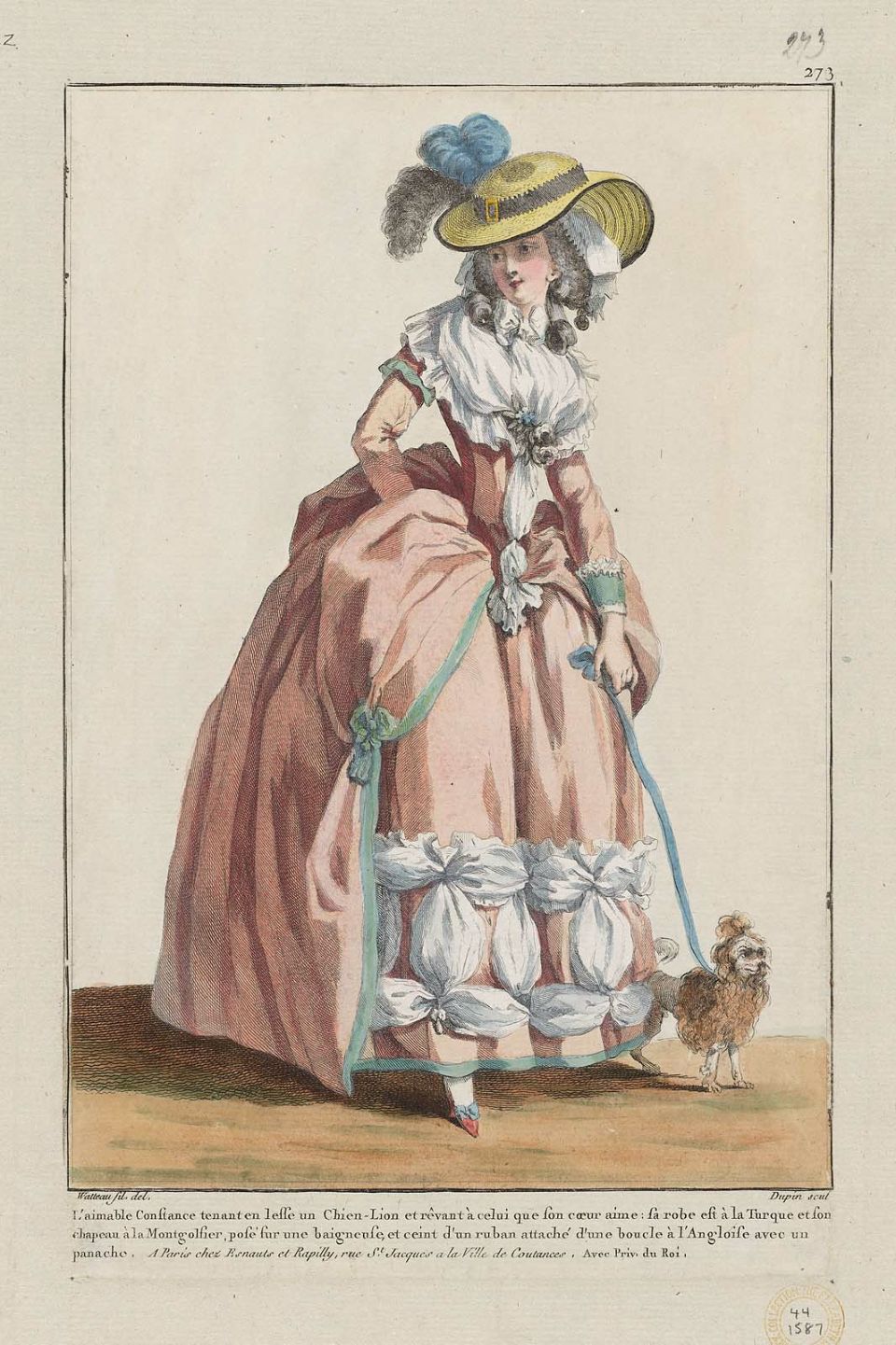
To the muted peach that was probably considered a shade of puce:

Robe a la polonaise, 1778—80, French, silk, Metropolitan Museum of Art, C.I.60.40.3a, b

Robe a la polonaise, 1778—80, French, silk, Metropolitan Museum of Art, C.I.60.40.3a, b

Gallerie des Modes et Costumes Français.  'L'aimable Constance', Designed by François Louis Joseph Watteau, French (Valenciennes), 1758—1823, 1784, MFA Boston 44.1587

Gallerie des Modes et Costumes Français. ‘L’aimable Constance’, Designed by François Louis Joseph Watteau, French (Valenciennes), 1758—1823, 1784, MFA Boston 44.1587

Pink remained popular for frocks, and less often, outer and over-wear, in the early 19th century, from this darling plaid number:

To the rich plum-pink of this frock:

Evening dress, wool & silk, 1815-20, America, MFA Boston 46.1208

Evening dress, wool & silk, 1815-20, America, MFA Boston 46.1208

Pink may have been momentarily displaced from the height of fashion by the bright shades of the new aniline dyes and the dark tones of late Victorian dress, but it certainly never disappeared.  There were barely-pink shades like this:
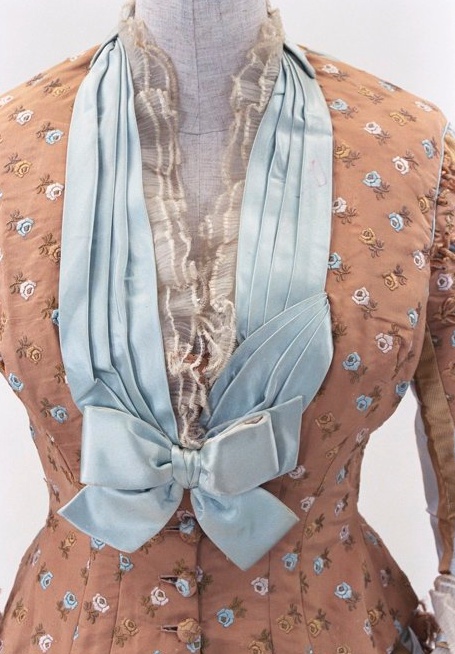
Detail of bodice, ca 1875, Bunka Gakuen Museum

Detail of dress bodice, ca 1875, Bunka Gakuen Museum

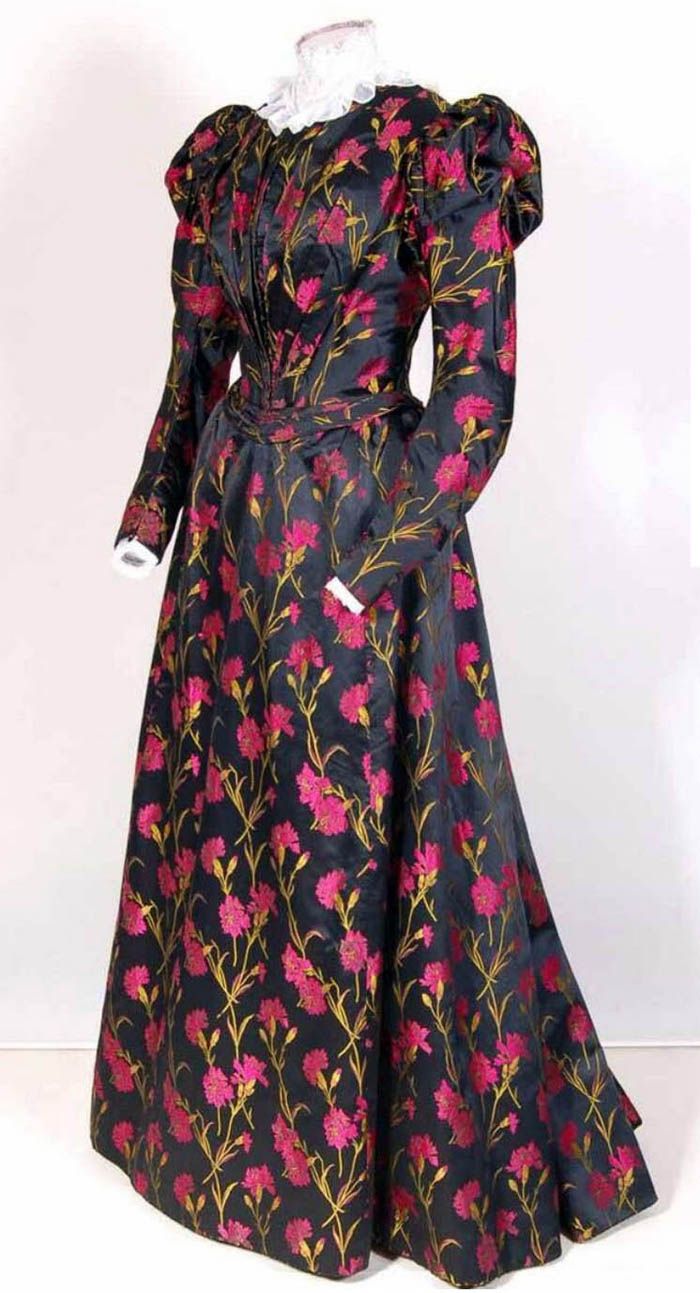
To shades that definitely took advantage of the new dyes:

Dress, ca. 1895-1900. Silk and cotton. Mode Museum, Antwerp

Dress, ca. 1895-1900. Silk and cotton. Mode Museum, Antwerp

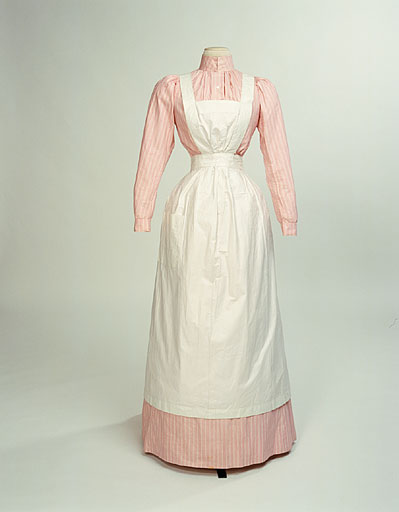
One of my favourite pink frocks of all time is not a fancy ballgown, but a very simple dress.  I love the idea of a cook in her pretty pink frock:
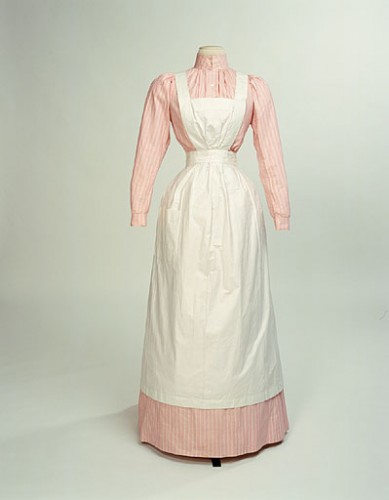
Cook's dress: blouse & skirt with apron. 1890-1910, Manchester City Galleries

Cook’s dress: blouse & skirt with apron. 1890-1910, Manchester City Galleries

More elaborate frocks are pretty too:

Bride & bridesmaid in rosy pink, 1913, Demoiselles

Bride & bridesmaid in rosy pink, 1913, Demoiselles

There are some glorious pink 1920s fashions, like this one which perfectly illustrates that, even in pink, 1920s frocks needn’t be frumpy or saccharine:
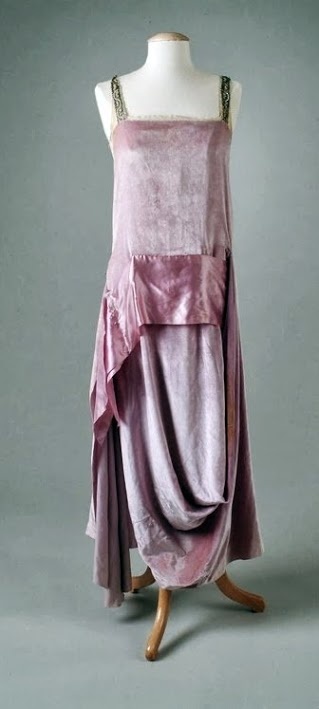
Callot Soeurs Dress - 1921 - The Meadow Brook Hall Historic Costume Collection

Callot Soeurs Dress – 1921 – The Meadow Brook Hall Historic Costume Collection

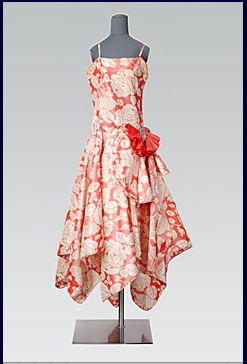
And I still love this pink-red Lanvin frock, even if my green ’20s dress didn’t end up looking anything like it:

Evening dress, Jeanne Lanvin, mid 1920s, Drexel CC

Evening dress, Jeanne Lanvin, mid 1920s, Drexel Costume Collection

And I know it’s just a catalogue illustration, but can you really imagine the middle dress with anything but pink bows!
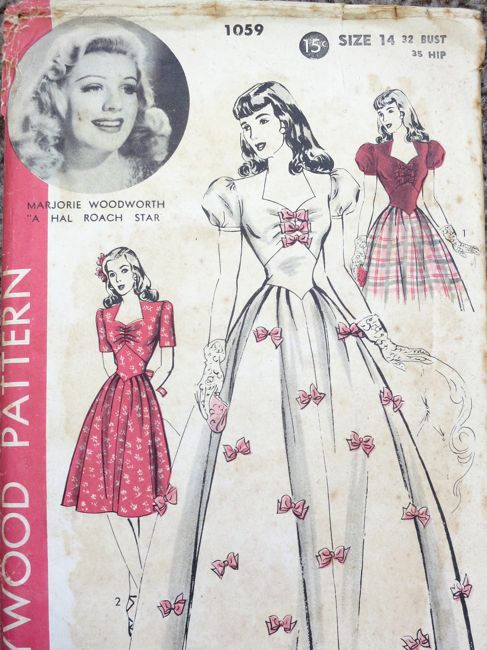
Hollywood 1059 - 1940s day and evening dresses

Hollywood 1059 – 1940s day and evening dresses

 

Masquerade stays: Progress, pain and a trim poll

In between bouts of paper marking, the masquerade stays are coming along.  They may actually even be finished on time (amazement).

In any case, I have an event to wear them to on the 9th, so they have to be done by then!

1770s Masquerade Stays progress thedreamstress.com

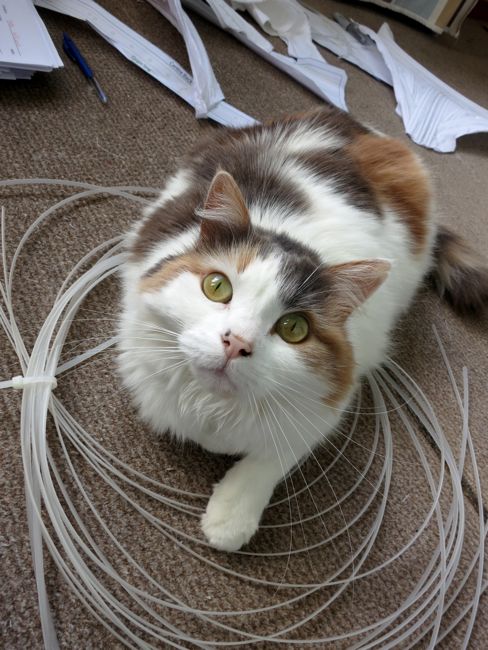
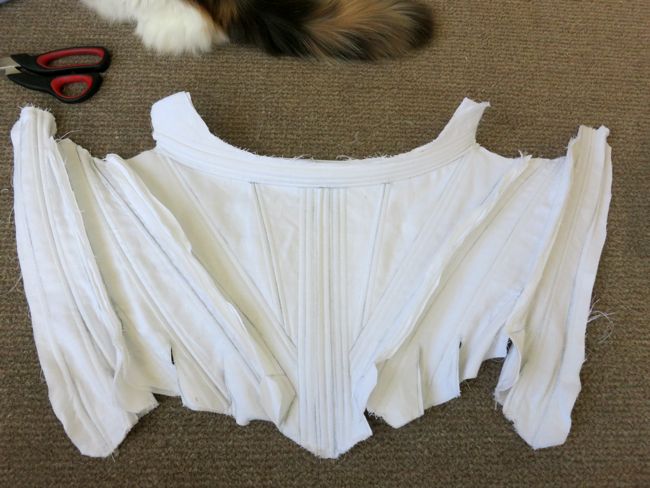
So far, with help from Miss Fiss, I’ve completed all the boning channels and inserted my boning, and sewn together the front, side front, and side back pieces in preparation for fitting.

1770s Masquerade Stays progress thedreamstress.com

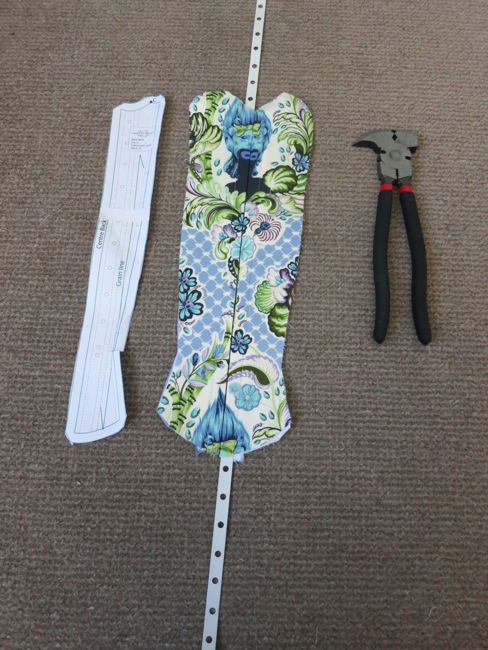
I’ve also cut the lining and outer fabrics for the back piece, and have inserted my lacing bones.  I’m using fenestrated metal boning, because it’s the only boning that I have around that’s both strong enough to support the back lacing and long enough for the length of the stays.

1770s Masquerade Stays progress thedreamstress.com

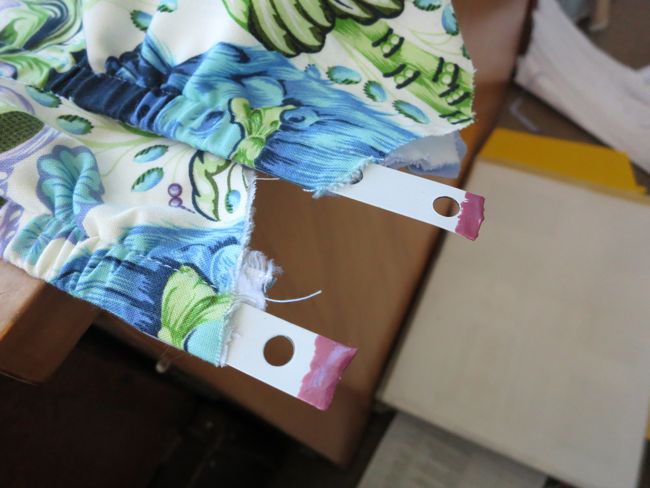
At the moment things are at a pause while I coat the ends of the lacing bones and let them dry.  I’m just using nail polish – it’s worked well in every previous application!

1770s Masquerade Stays progress thedreamstress.com

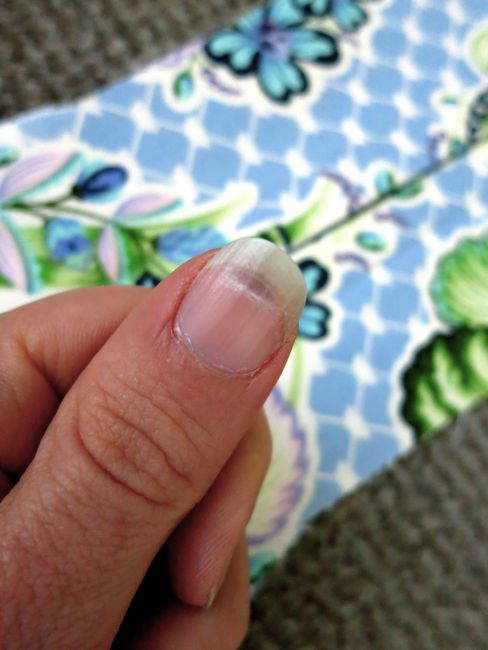
Things are also at a pause while I ice my thumb.  There was a little problem in inserting one of the lacing bones, and bones and nails alike got bent at unhappy places.

1770s Masquerade Stays progress thedreamstress.com

Ow.

Anyway, while ‘real’ progress isn’t being made, I need you’re help in progressing the thing that I’m really bad at: design decision making.

Before I’m going to be able to get much further  I need to pick the ribbon to cover the seam channels and decide what I’m going to bind the stays with.

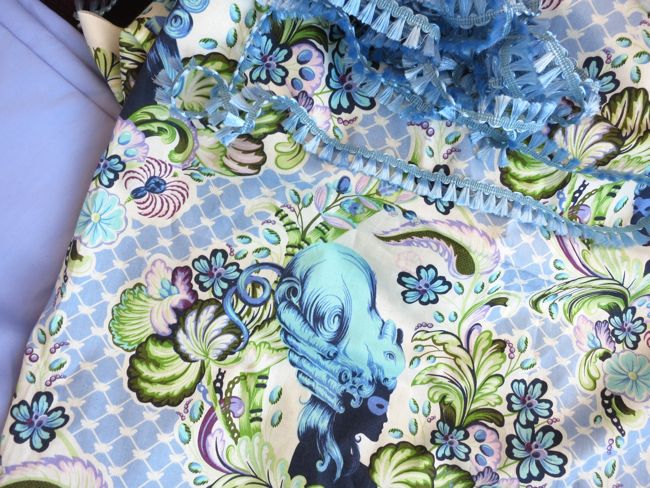
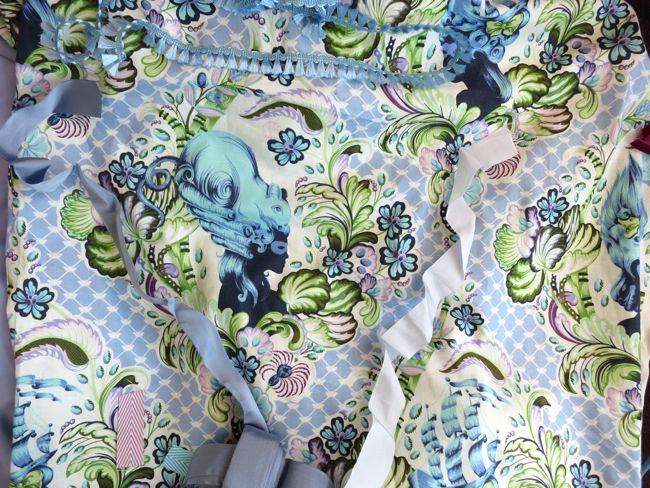
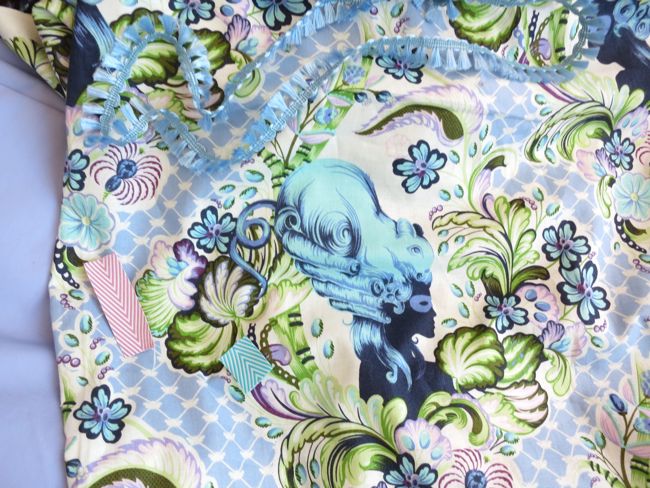
I’m lining them in the lavender cotton to the left in this photo, and may or may not try to incorporate that blue fly fringing into the trim.

1770s Masquerade Stays progress thedreamstress.com

As a reference to what I’m talking about, the seam channel ribbons are those white lines that go up vertically, and the bindings are the white edges of the tabs.

Half-boned stays, 1770s-80s, French, Musee du Costume et de la Dentelle

Half-boned stays, 1770s-80s, French, Musee du Costume et de la Dentelle

My options for seam channel ribbon are:

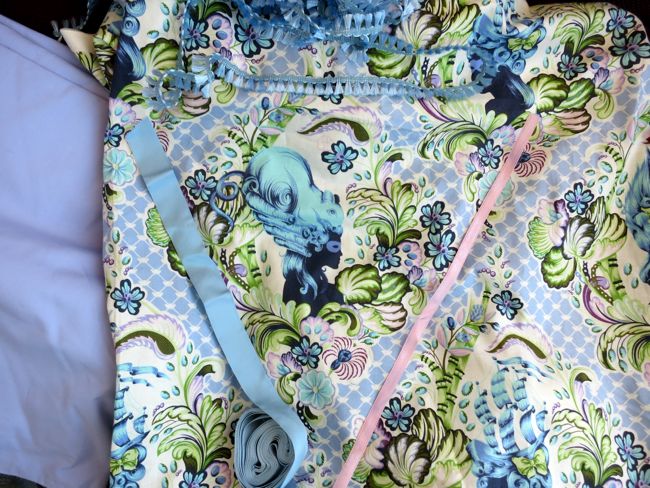
A1: ice blue velvet ribbon or A2: mulberry velvet ribbon

1770s Masquerade Stays progress thedreamstress.com

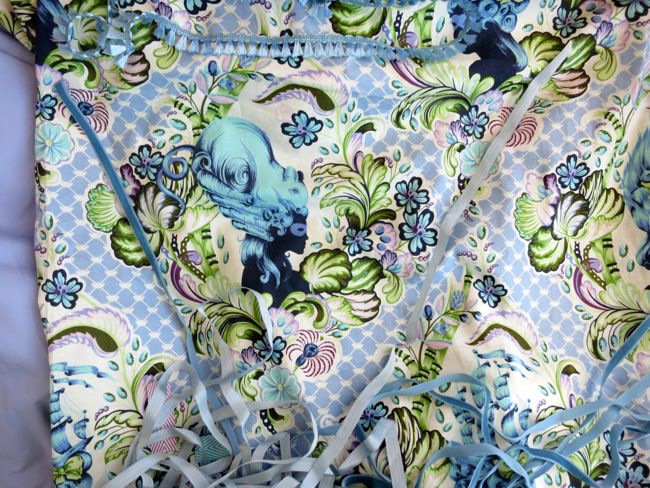
B1: Mid blue velvet ribbon or B2: narrow palest blue rayon ribbon.

1770s Masquerade Stays progress thedreamstress.com

C1: sky blue rayon ribbon (folded in half, and also an option for the binding) or C2: lilac satin ribbon

1770s Masquerade Stays progress thedreamstress.com

D1: Wide mid-blue rayon ribbon (folded in half, and also an option for the binding)  or D2: wide palest blue rayon ribbon (folded in half, and also an option for the binding).

1770s Masquerade Stays progress thedreamstress.com

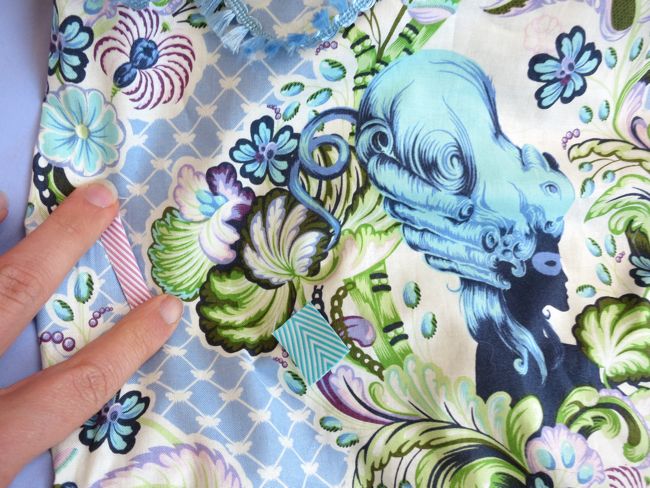
And finally, E1: lilac chevrons tape & E2: turquoise chevrons tape.

1770s Masquerade Stays progress thedreamstress.com

If I choose one of these, I’d probably fold it in half for the seam channel ribbons, and I’d definitely use it for the bindings as well.

1770s Masquerade Stays progress thedreamstress.com

So, dear readers, what do you think?  Which of the options from A1-E2 should I use for the seam channel ribbons, and should it be combined with C1, D1, D2, E1, or E2 for the outer stay binding?

I love the colour of C2, but am afraid the satin won’t wear well.  With that in mind, I’m kinda leaning towards B2 combined with one of the wide rayon ribbons, though E1 or E2, in their mad carousel-ness, are extremely tempting.

The only problem is that they are the only ribbons I don’t have in stash, and I’m rather poor at the moment due to finding silk ottoman on sale for $30 a metre, and how could I possibly not buy it at that price, even though $30 a metre does add up rather quickly in historical garment lengths…