My bookshelf holds a copy of ‘Instructions for New Zealanders’: a collection of excerpts from the hundreds of instruction guides that have been issued to Kiwis over the last 150 years, covering everything from the clothing an immigrant should bring, to how to take a bath, to what children may be employed as street vendors.
One of the more interesting inclusions is a list of ‘Rules of Conduct for Women Teachers, 1915’. ‘Instructions for New Zealander’s’ credits the list to the Museum of Transport & Technology, Auckland. Some things in the list don’t read quite right to me so I did a bit of digging, and found that the National Library has a copy of the ‘original’, apparently located at the Tauranga Historical Village Museum. It’s also reproduced on the Puke Ariki website.
Ok. Lots of NZ Museums using it. But…the language isn’t accurate for New Zealand, nor do the rules make any sense for what was going on nationally or globally. So what’s up?
Sure enough, a bit more looking also turns up the list on Snopes, along with another purported list from 1872, and the conclusion that while the list has been around for a long time, it was almost certainly created as a ‘Oh my, the past was terrible’ document, and isn’t a period original, much less a NZ original.
So what are these rules for women?
You will not marry during the terms of your contract.
Women were expected to give up their jobs when they married, and certain districts may have expressly forbid it, so this rule may have some basis in reality. However, considering the labour shortages in NZ during WWI, it’s quite likely that a number of married women taught while their husbands (and many men who might have been teachers) were overseas.
You are not to keep company with men.
What does that even mean? (I mean, I know what it means, but the more you think of it as a rule that a school board would issue, the more ridiculous it seems).
You must be home between the hours of 8pm and 6am unless attending a school function.
Unlikely. Teachers in the early 20th century, particularly in NZ, often had dinner with the parents of pupils, and were expected to be part of the community in terms of church groups, ladies patriotic groups (WWI, remember), etc, all of which might meet at night.
You may not leave the city limits without the permission of the Chairman of the Board.
Chairman of the Board? City limits?
You may not loiter downtown in ice-cream stores.
Downtown isn’t a Kiwi term, nor were ice-cream stores common, so this one is a dead giveaway as a fake. And sounds exactly like what someone in 1955 would think a school board would be afraid a teacher would do in 1915.
You may not ride in a carriage or automobile with any man unless he is your father or brother.
Oh bless!
You may not smoke cigarettes.
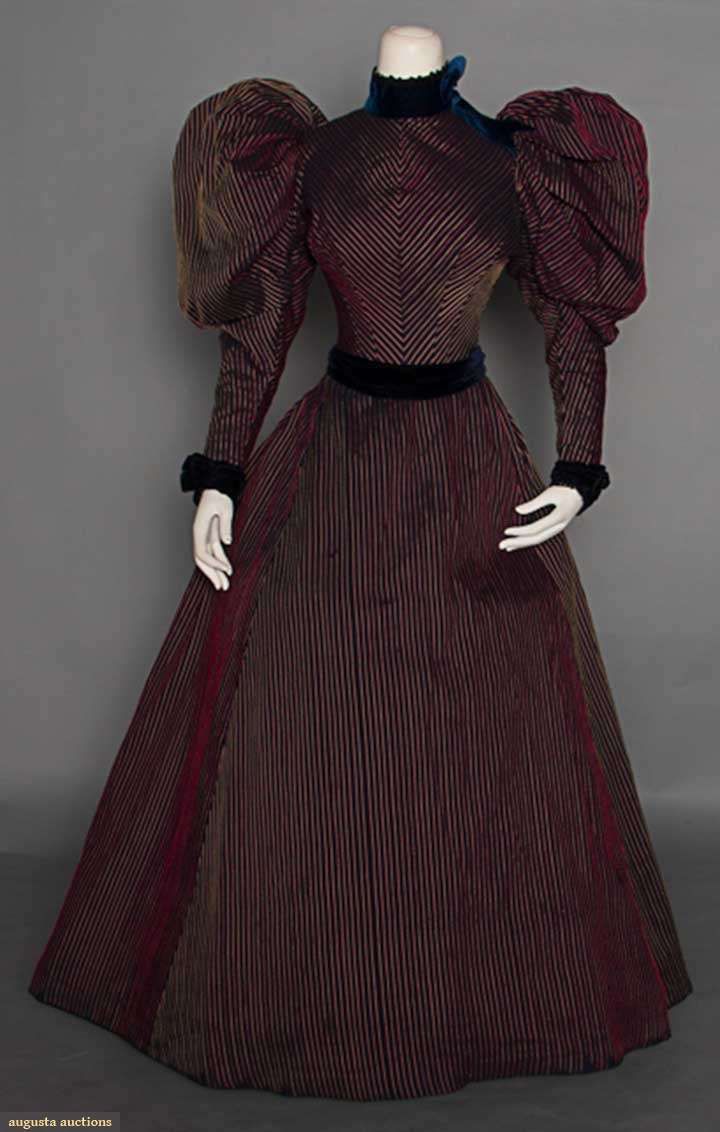
You may not dress in bright colours.
Because the past was black and white. Duh.
You may not under any circumstances dye your hair.
Once again, this sounds far more 1950s than 1915.
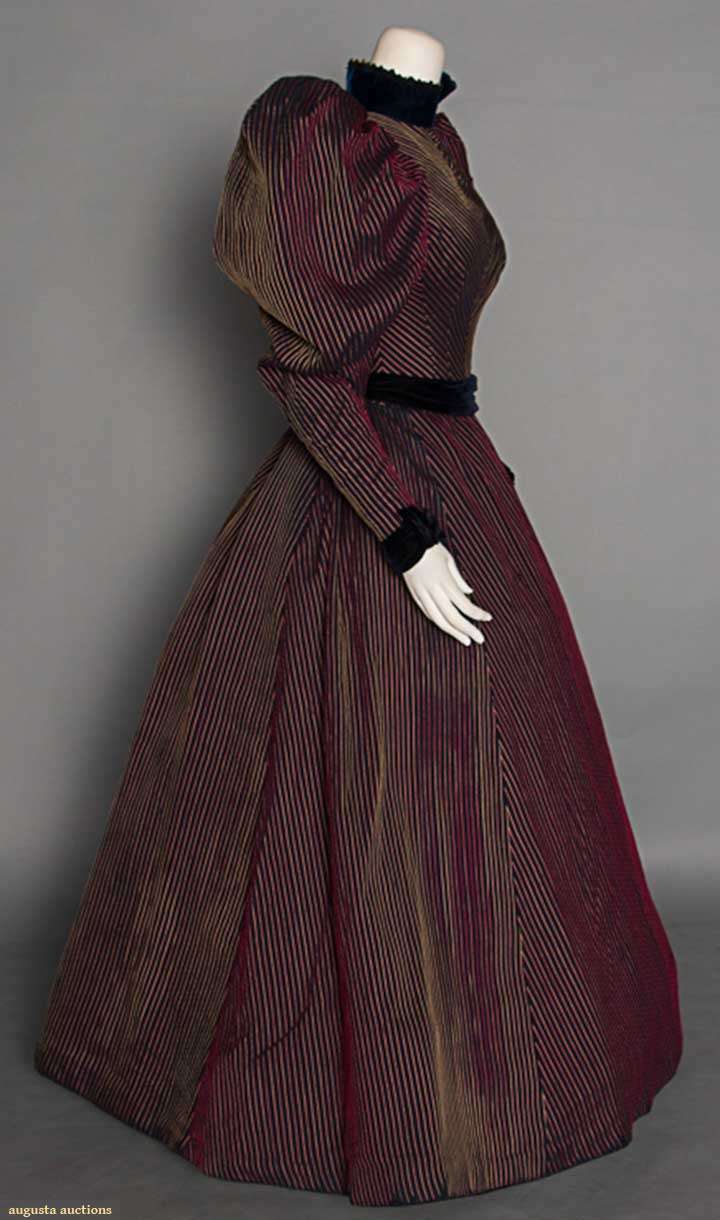
You must wear at least two petticoats
Fabrics were already scarce in NZ by 1915 due to WWI, directly leading to the popularity of simpler undergarments like combinations, and garments that took less fabric. Skirts were very slim in 1910-13, and even as they widened again in 1914, they were more unlikely to be worn with so many layers of undergarments, especially separate petticoats.
Your dresses must not be any shorter than two inches above the ankle.
See above
This is definitely a fake. It’s not remotely accurate to NZ, nor is it accurate to anywhere else in the Western World in 1915. It’s clearly written by someone with only a vague idea of the fashions and social mores of 1915, who simply had the idea that the past was extremely prudish and restrictive.
At first this seems fun and cute, good for a laugh, though it’s certainly not an accurate picture of New Zealand in 1915. However, it’s also a really dangerous example of how we warp history: someone makes up a silly list like this, it gets disseminated, and manages to make its way into numerous museum collection. From there, it gets published in books, and suddenly it has veracity: it’s citable in research papers. The more it is believed and spread, the less we are able to get an accurate picture of what the past was really like.