Last week’s Rate the Dress featured bright pink silk velvet and gold lace. This week’s features humble furnishing cotton with wool embroidery made into a very posh dress – will faux simplicity fare better than brash finery?
If we counted Instagram & Facebook reactions last week’s dress would easily be a 9.9 out of 10 – there was SO MUCH LOVE. However, I do not, because I can’t go back and find them later (and because it’s too much work – and I do have to actually work), so only the ratings here on the blog count. And they were decidedly more mixed, with some loves, and a few real NOPES.
So the official rating is…
The Total: 7.5 out of 10
So so
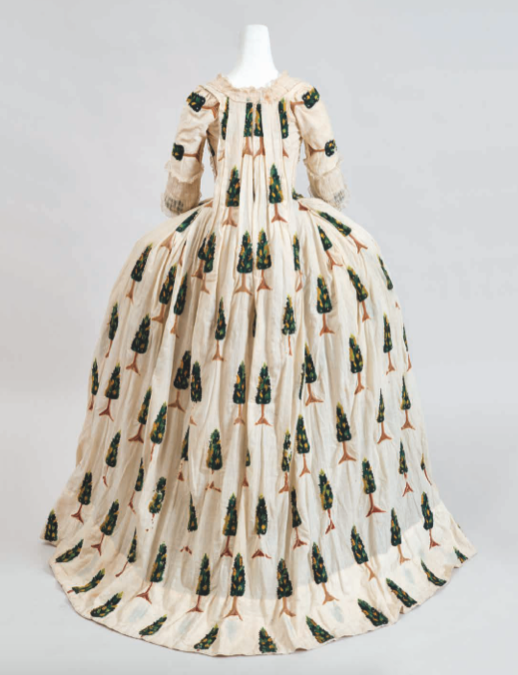
This week: a 1770s crewel embroidered Robe a la Francaise
This striking Robe a la Francaise made such a stir on the internet when Cora Ginsburg’s 2018 catalogue came out that I thought it was unfair to show it as a Rate the Dress option immediately. But it’s been a few months, and cypress motifs in art and textiles have come up three different times for me this week so it’s clearly a message that it’s time to rate it:
Rather than the typical brocaded or flat silks, or printed cotton, this ca 1770 française is made from a midweight cotton embellished with cypress trees worked in wool crewel embroidery.
Ginsburgh’s catalogue suggests that the fabric was intended as a furnishing material, and that the dressmaker or wearer made the unusual decision to use it as dress fabric instead.
Last week’s Rate the Dress was very subdued and subtle and restful. This week I’m going in exactly the opposite direction, and featuring a vivid pink 19teens dress with lots of zing.
A few of you loved it for looking supremely comfortable and wearable, and most of you could appreciate the elegance of the embellishment, but many of you were not quite convinced by the colour, or all the details – especially the cuffs.
The Total: 7.7 out of 10
And a huge thank you to Daniel for adding a bunch of extra historical information and context about the outfit!
This week:
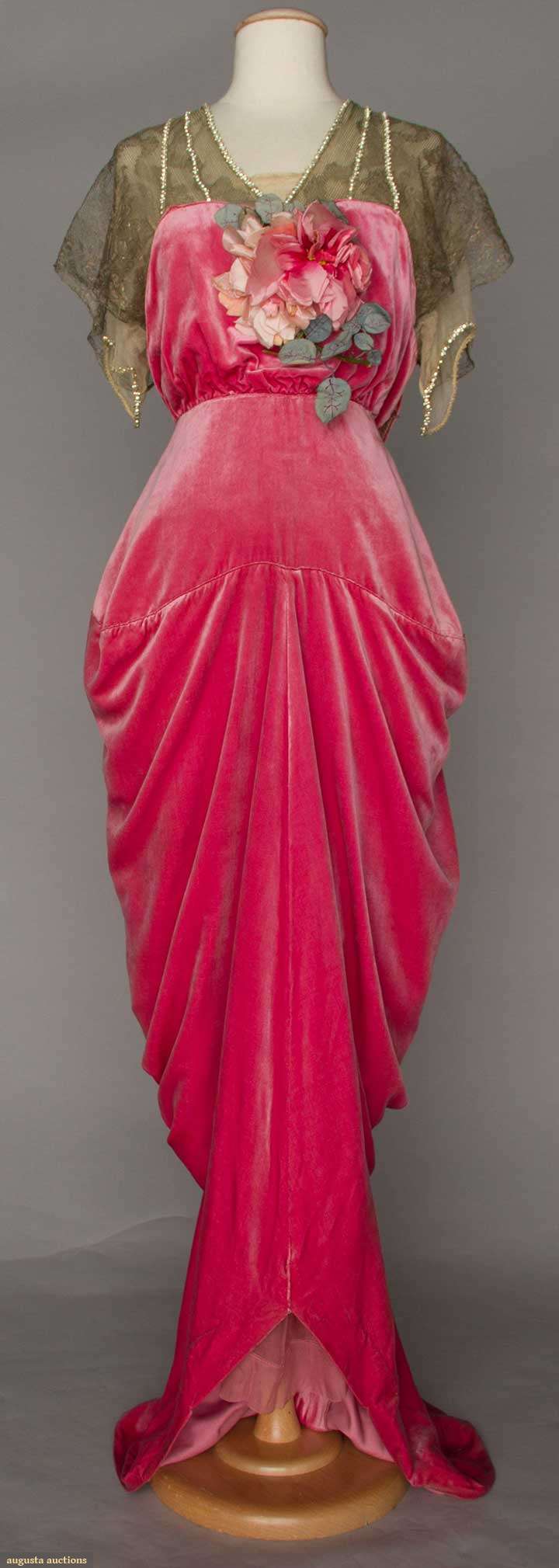
I wanted something bright and fun as a contrast to last week, and you can’t get much brighter and more fun than hot pink velvet:
Gown in silk velvet by Robert, Paris, France, 1910-1914, sold by Augusta Auctions April 20, 2016
Augusta Auctions gave a date range of 1910-14 when they sold this pink velvet confection, but the draped hobble skirt is so absolutely typical of 1913-14 that I feel confident dating it to those years.
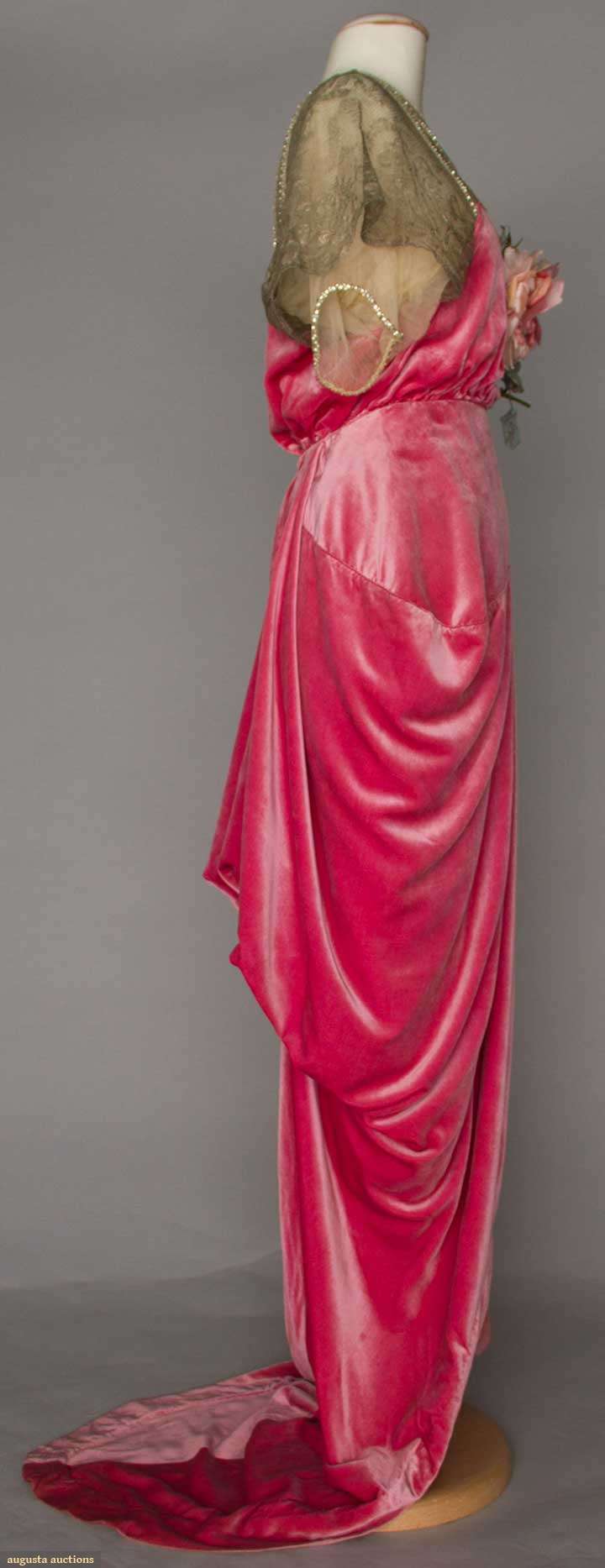
Gown in silk velvet by Robert, Paris, 1910-1914, sold by Augusta Auctions April 20, 2016
The horizontal seam across the hips, while unusual to modern eyes, allows the draping of the skirt, and causes interesting visual contrasts as the grain of the velvet changes, creating the effect of different shades of pink.
The seam also widens the hips – emphasising the still fashionably small waist, and moving away from the extremely narrowed hips of the earlier 1910s.
Gown in silk velvet by Robert, Paris, 1910-1914, sold by Augusta Auctions April 20, 2016
The pink appears particularly vivid against the muted tones of the metal lace and silk chiffon sleeves, but the contrast was originally probably much less stark: the lace, un-tarnished, a brighter gold or silver, the chiffon either a brighter white, or purposefully subdued to create the illusion of bare skin. Tying together all this boldness, the sparkle of diamantes, anchoring the neckline, and shimmering as the arms moved.
Gown in silk velvet by Robert, Paris, 1910-1914, sold by Augusta Auctions April 20, 2016
Obviously the flowers on the corsage have aged someone, and aren’t quite blooming as intended, so please don’t judge the effects of age too harshly.
What do you think? Is this rosy hued 19teens frock delicious or declasse?
Rate the Dress on a Scale of 1 to 10
A reminder about rating — feel free to be critical if you don’t like a thing, but make sure that your comments aren’t actually insulting to those who do like a garment. Our different tastes are what make Rate the Dress so interesting. However it’s no fun when a comment implies that anyone who doesn’t agree with it, or who would wear a garment, is totally lacking in taste.
(as usual, nothing more complicated than a .5. I also hugely appreciate it if you only do one rating, and set it on a line at the very end of your comment, so I can find it! Thanks in advance!)
But we’ve been working on a lot of other stuff too.
We’ve had the kitchen that was destroyed in the Great Black Bean Pressure Cooker Explosion of June 2017 fully fixed and replaced – ceiling done, walls painted, floor replaced. That took lots of organising and following up, so ate up huge amounts of my time. And it turns out they used the wrong kind of paint, so I’m going to have to repaint it. Grrrrr….
But it does look lovely!
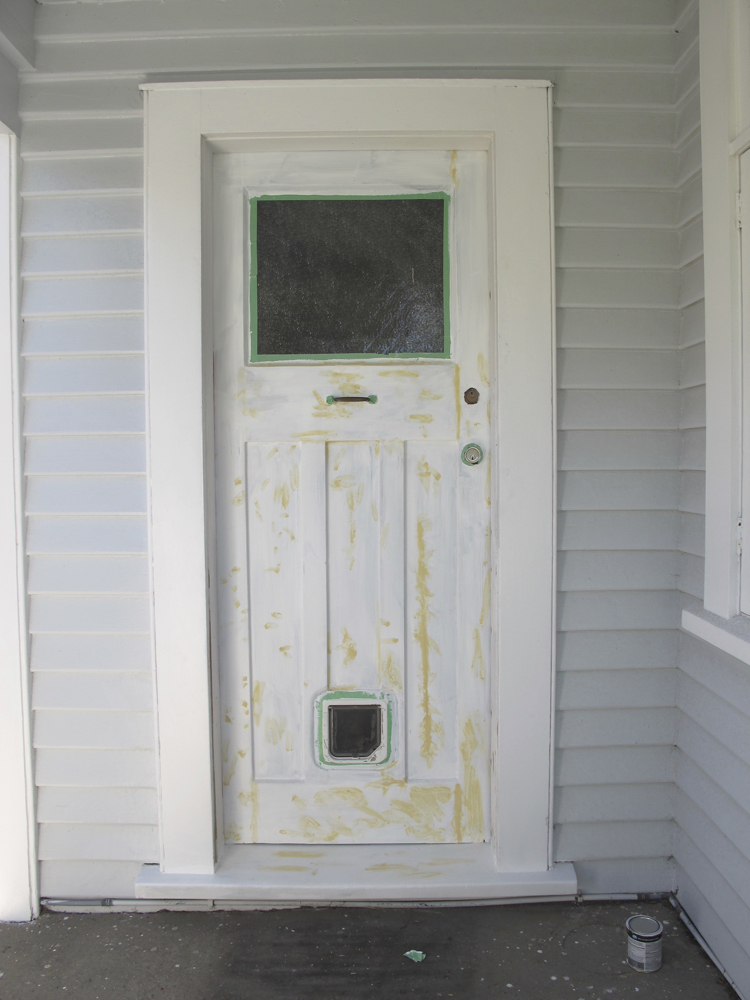
We’ve also been doing our own home renovations. We sanded back the terrible old blue door, and filled all the gaps and scratches, and sanded, and sanded, and sanded to make it smooth:
And then we painted it bright red:
We love it, and it goes beautifully with the grey we painted the rest of the house.
We’ve also been doing lots of gardening.
And cooking with the things we grew:
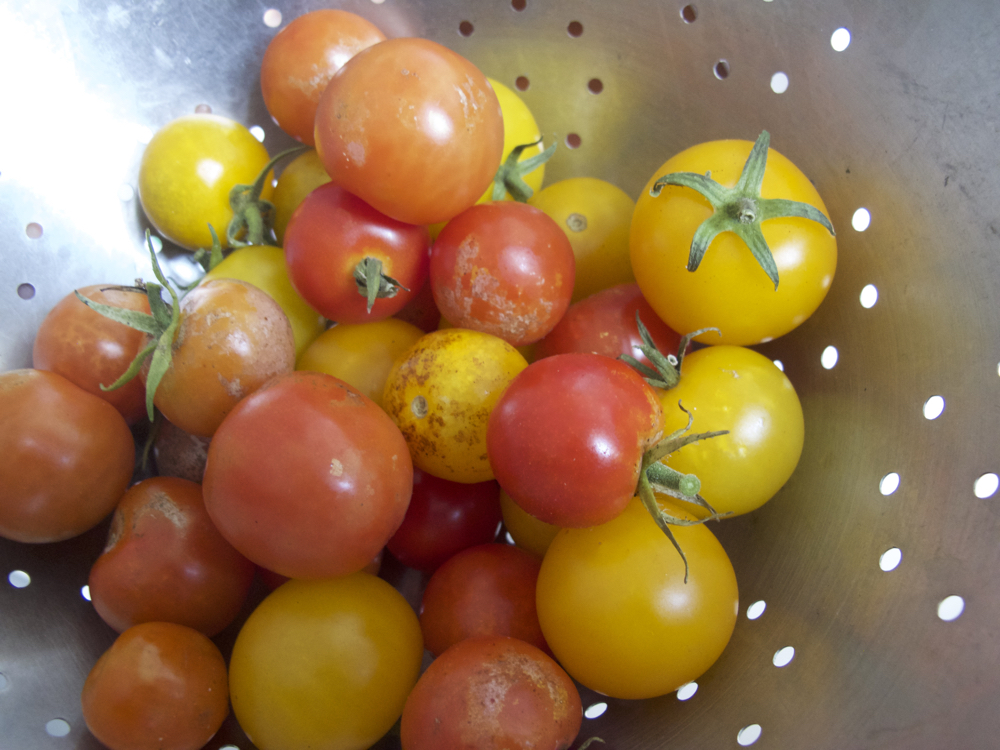
It’s slowing down now that autumn is well and truly settling in, but I just picked my last crop of tomatoes:
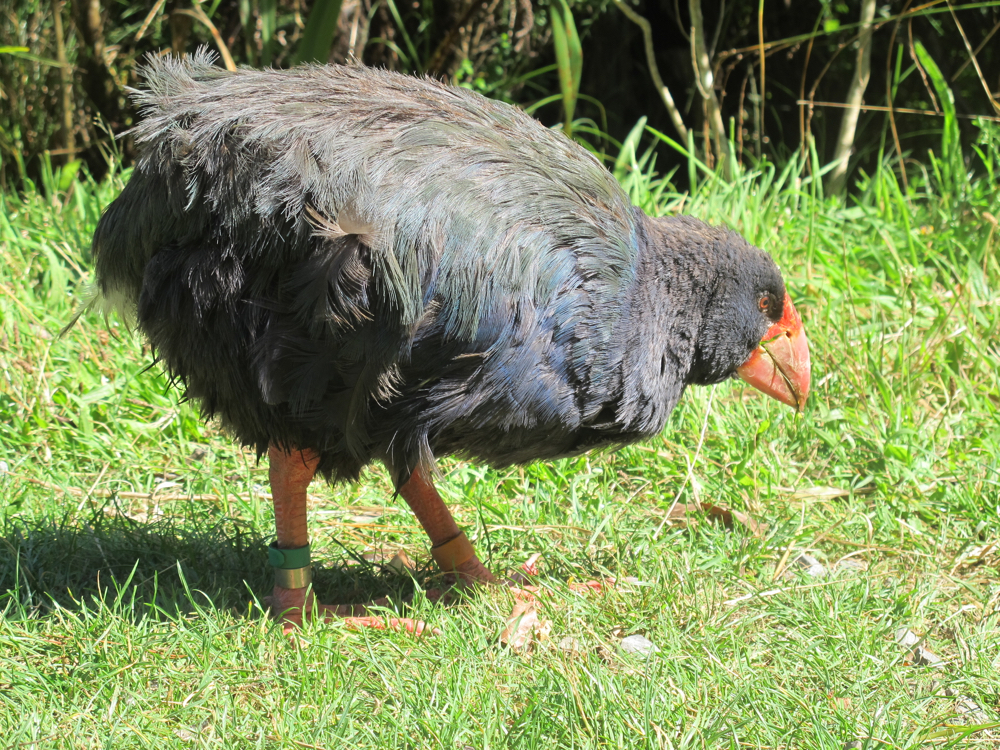
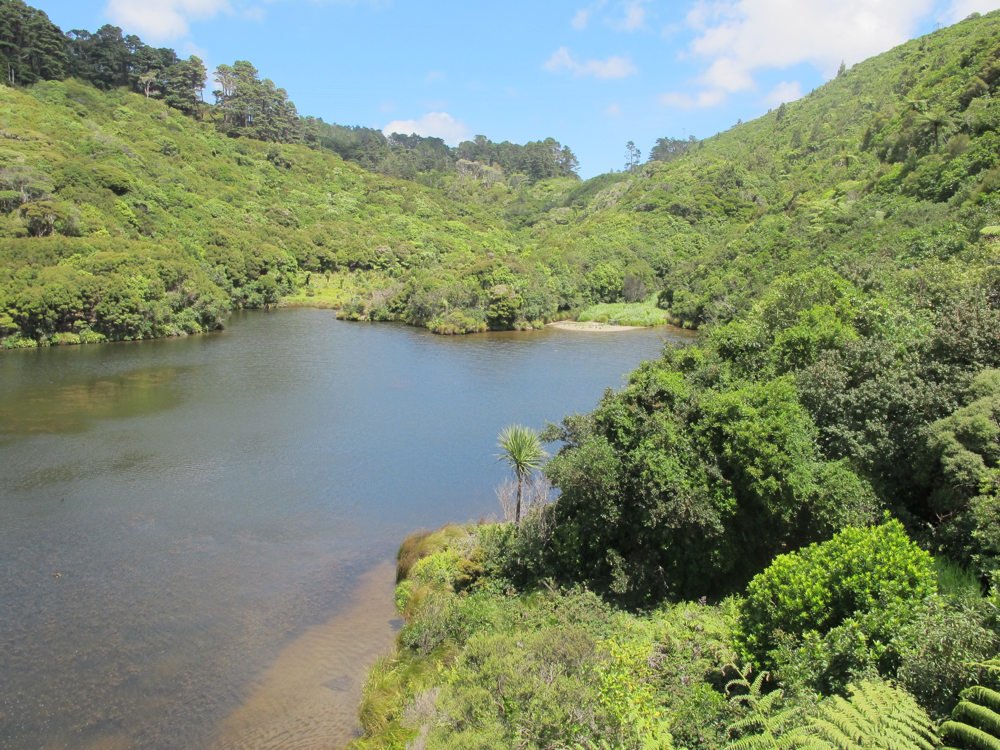
We spent a lot of our free time this summer at Zealandia Wildlife Sanctuary, enjoying all the birds and the views, and making friends with their new takahē couple: Nio and Orbell.
Takahē are flightless birds about the size of a chicken. They are members of the rail family, and are native to New Zealand.
They were thought to have gone extinct in the 19th century, but in the 1940s keen tramper Geoffrey Orbell became convinced that they might still exist in some very remote areas of the South Island. He researched and drew maps of valleys remote enough for takahē to have have remained hidden for over 50 years. On 20 November 1948, his search paid off, and he found a surviving colony of almost 400 birds.
Unfortunately New Zealand’s conservation policy in the 50s & 60s was one of non-intervention, and the takahÄ“ population declined to just over 100 in the 1980s (primarily due to competition from introduced deer, who eat the same grass takahÄ“ do) before real steps to assist the population were taken.
I was originally nonplussed about the idea of takahē. How exciting can a purple chicken really be?
As it turns out, I LOVE takahē. They are flightless grass-eating purple chickens that form very devoted relationships with their breeding partner. They groom each other and coo at each other. They get used to people and just hang out with them.
Unfortunately, with a population of only 100, takahē are so critically endangered that there is so little genetic diversity in their population that every death is a major blow.
It’s a real illustration of the slim line between total success as a species, due to luck and exact circumstances. TakahÄ“ would actually be ideal suburban pets – much better than chickens and ducks (both of which you can have on not very much land in NZ). One pair would be perfect for keeping a quarter-acre lawn mown, they are nice and quiet, they don’t fly…
If they ever want to start a takahÄ“ cloning programme, just to prevent their total loss, I’m in!
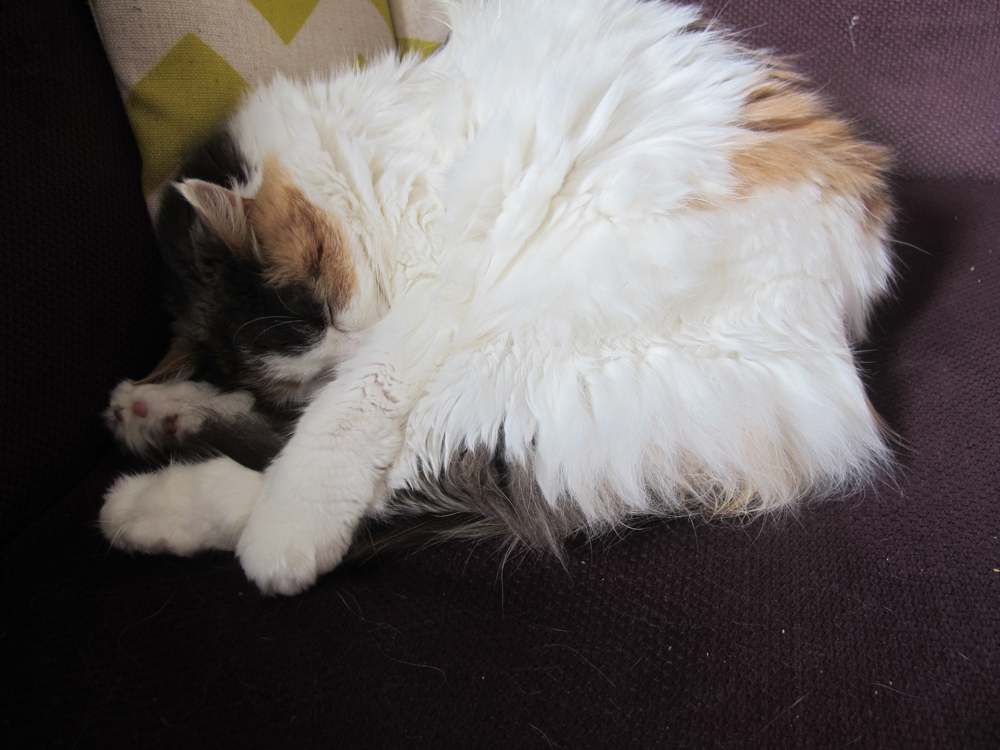
I wonder how Felicity would feel about a takahÄ“ friend…