
This week in Rate the Dress we’re going from 18th century silk hoodies to 1820s harlequin patterned cotton – with really, really, really big sleeves.
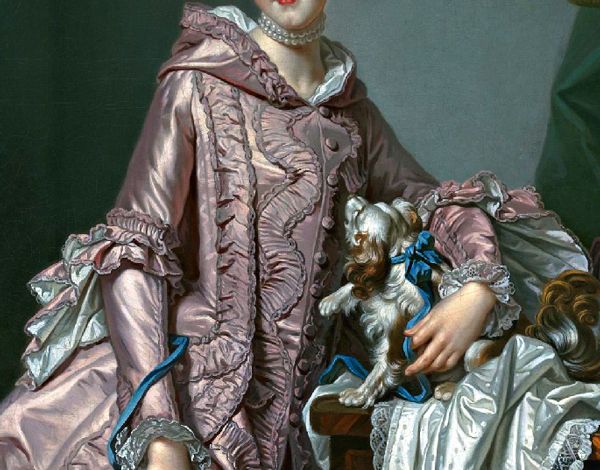
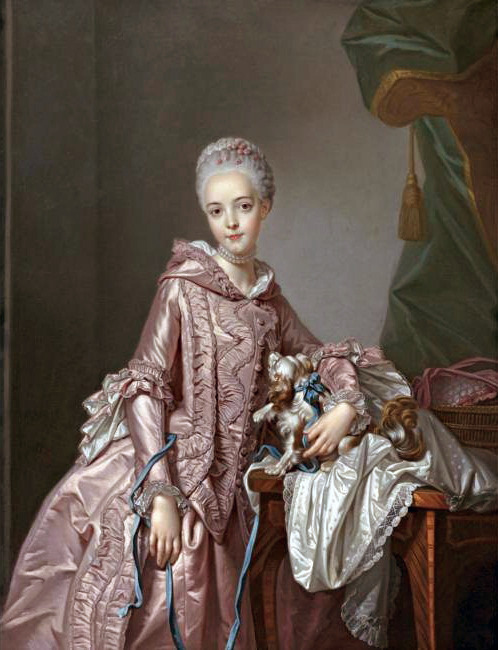
Last week: A lavender pink mid-18th century Brunswick
Last week’s Brunswick (or, as Anna pointed out, possible a Jesuit) was the most popular Rate the Dress in a while. Some of you felt that she did look a bit like a little girl dressed up in her older sister’s outfit, or just found the proportions of the bodice to be a bit odd, but those were the only real criticisms.
The Total: 8.3 out of 10
Better than we’ve had in a while, but not spectacular.
This week: A harlequin print 1820s dress
It’s cold, and rainy, and windy, and horrible in Wellington today. Luckily I’ve had the perfect sunny, cheerful, über-happy Rate the Dress option squirrelled away for just such an occasion:

1820s fashion is always a bit silly and over the top, but this dress takes it to another level with a harlequin patterned cotton print in yellow and white with red.
In addition to the fashionable bold and bright print, which takes advantage of advances in roller printing, bleaching & dyeing technology, the dress is a la mode in every other aspect. It’s clearly the garment of a woman who embraced the trends of her time. Someone who was more concerned with being as fashionable as possible, and with enjoying the vagaries of her time, than in being timeless.

The high waist of the first three decades of the 19th century is dropping, but has not yet fallen all the way to the natural waist.
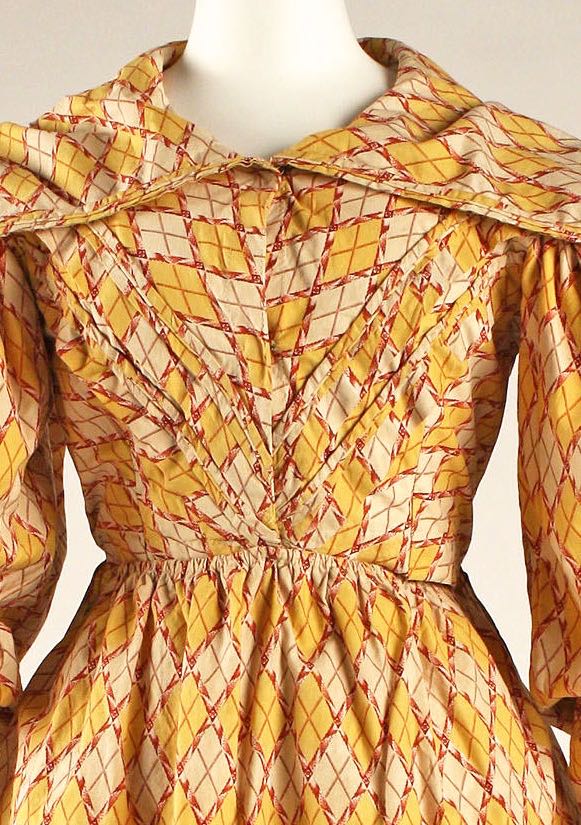
Although the waistline still sits slightly above the natural waist, the desired effect was a small, nipped waist. The impression of slenderness was created by balancing little with big. Huge gigot sleeves exaggerate the upper body, and the waist appears tiny in comparison. (when your arms are bigger than your waist, it’s hard for the waist not to look small!)

The large sleeves are linked to the dress by an equally large collar. The lines of the collar draw the eye out from the dress to the sleeves, emphasising their width and lines. At the same time the lines of the bodice point down to the small waist, providing a counterpoint to the visual lines of the bodice. The angled horizontal and vertical construction design lines provide a fun visual counterpoint to the dress fabric. It’s angles within angles within angles.
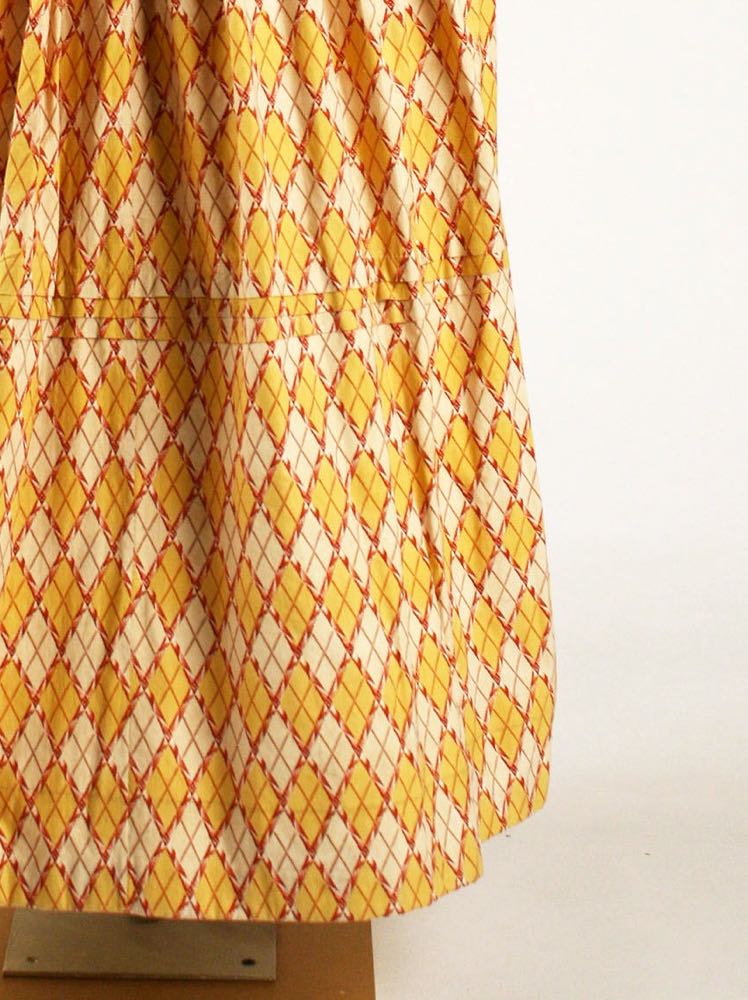
What do you think? Does this dress make you smile involuntarily? Or is it, even for an era known for over-the-top fashion, a bit clownish?
Rate the Dress on a Scale of 1 to 10
A reminder about rating — feel free to be critical if you don’t like a thing, but make sure that your comments aren’t actually insulting to those who do like a garment. Our different tastes are what make Rate the Dress so interesting, but it’s no fun when a comment implies that anyone who doesn’t agree with it, or who would wear a garment, is crazy/totally lacking in taste.
(as usual, nothing more complicated than a .5. I also hugely appreciate it if you only do one rating, and set it on a line at the very end of your comment, so I can find it! Thanks in advance!)